The Experience of Enslaved African People (SQA National 5 History): Revision Note
Exam code: X837 75

Summary
The first enslaved African people sold to Europeans were people who had already been enslaved in Africa. These were prisoners of war from coastal regions of West Africa. However, as European demand and power in Africa increased and European traders offered weapons and goods in exchange, some rulers began to participate more actively in capturing and selling people.
In some African societies, enslavement became a punishment for committing minor crimes. Kidnapping also became common as slave raiders and middlemen looked to profit from the trade. Wars and regional conflicts increased as rulers looked to protect their own people from enslavement.
African people who were captured or sold inland were transported to coastal areas in groups known as coffles. Chained together in twos or threes, they were forced to march long distances to coastal areas. Many captives died on this journey from exhaustion, a lack of food and water, diseases and execution if they tried to resist or refused to comply with the traders.
Captive people were held at the coast in forts known as slave factories or slave castles. These forts were often controlled or financed by European trading companies and governments. Hundreds of captives would be held in these forts for weeks or months at a time until they were sold to slave ship captains.
The development of slave factories
Slave factories were forts or castle-like buildings built on the African coast by Europeans
They were often converted into slave factories from supply stores or warehouses
Each slave factory:
Typically held around 1000 captured African people
Was built to ensure a steady supply of captured African people for slave ships
At the height of the triangular trade, there were over 60 slave factories along a 300-mile coastline stretching from modern-day Benin to Cote d’Ivoire
Slave factories were run by a slave factor
They employed many staff, including surgeons, warehouse keepers, bookkeepers and often a garrison of soldiers
Conditions in the slave factories
When captive people arrived at a slave factory, they were examined by a surgeon
If they were deemed to be healthy, they would be purchased and then branded on the chest with a hot iron
The captive people were then held in dungeons in horrific conditions, sometimes for several months
Males and females were separated
The dungeons were often overcrowded
Sometimes, as many as 1000 enslaved people were held in spaces only made for 200
There was no sanitation
This meant the floors of the dungeon were covered in excrement (human waste)
The overcrowding meant diseases like malaria and yellow fever spread rapidly
There was a lack of ventilation in the dungeons
Food shortages were common
Captive people often tried to resist
Floggings, beatings and whippings were a common punishment
For more serious forms of resistance, people were locked in a punishment cell, where they would be left to die
Female captives experienced sexual abuse from the Europeans running the slave factories
As well as the physical abuse, the captive people had to cope with the psychological trauma of not knowing why they were being held or what would happen to them next
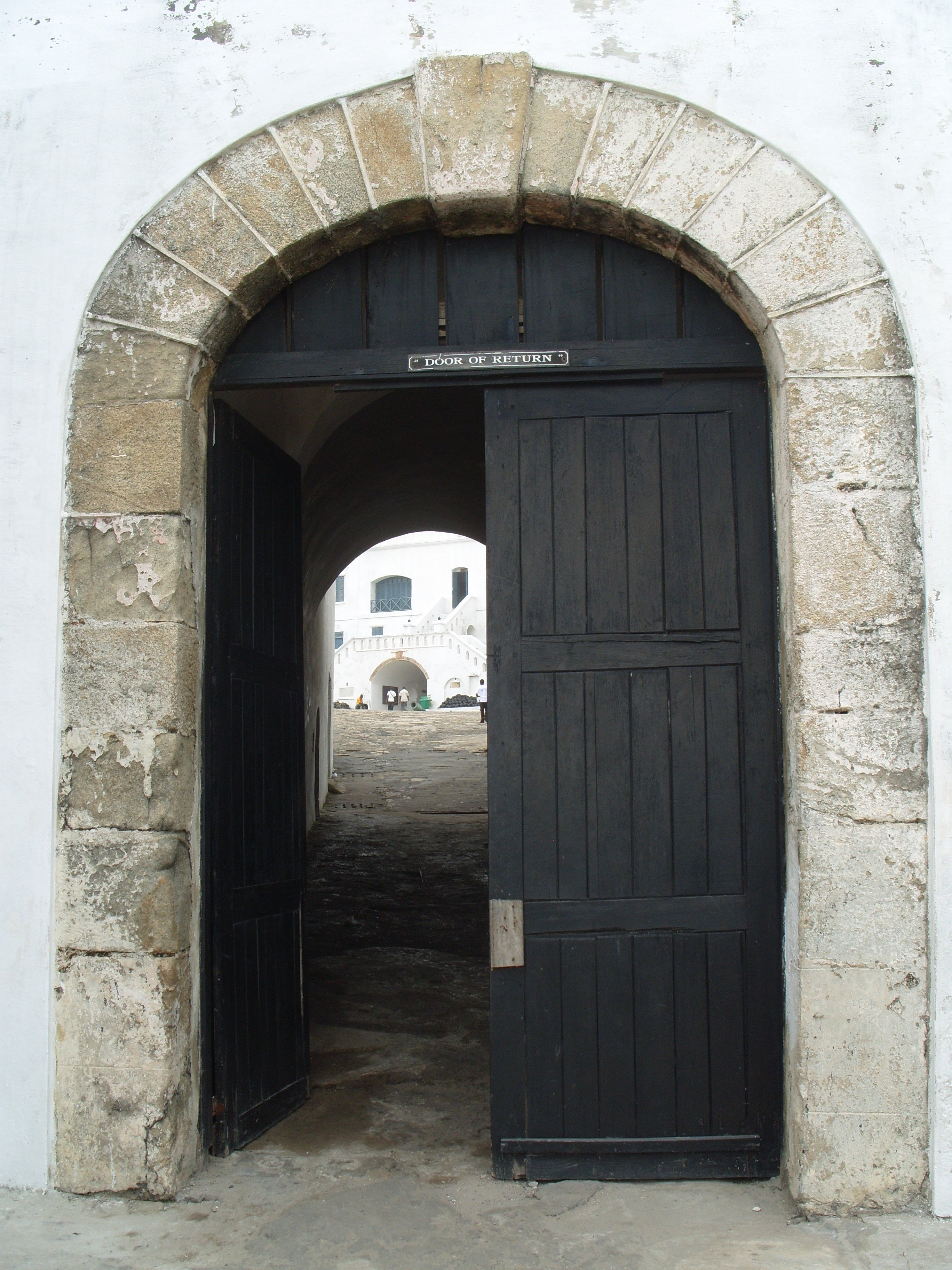
When a ship arrived to purchase captives, they would be taken out of the slave factory through the ‘door of no return’
The economics of the middle passage
Slave-trading voyages aimed to make as much profit as possible
Captains took two approaches to making more money from the middle passage
A tightly packed ship would fit as many enslaved people as possible below the decks
A loosely packed ship would allow the enslaved people more space to lie down in the hope that fewer people would die
To reduce risks for investors and merchants, insurance policies would often be taken out on enslaved African people
Ship captains could claim on these policies if people died during the voyage as a result of bad weather, resistance or ‘perils of the sea’
Insurance policies did not cover deaths from disease or sickness
Slave merchants or investors rarely went on voyages themselves
To maximise profits, they had to trust the ship’s captain
Sometimes the ship’s captain would be offered ‘privilege slaves’
It was hoped that this would help ensure that the captain kept the enslaved people as healthy as possible on the journey
When ships were near their destination, the enslaved people would be ‘prepared’ for auction
Enslaved males would be shaved to make them appear younger
Enslaved people would be washed and oiled by the crew in an attempt to make them look healthier
Wounds would be covered in hot tar
The conditions during the middle passage
An estimated 2 million enslaved people died during the voyage between 1525 and the mid 1800s
Enslaved males would be chained together in shackles and held in the ship’s hold
Forced to lie on wooden planks, with little space to move, the enslaved people would develop painful sores as the shackles and wood rubbed against their skin
Diseases like smallpox and dysentery spread rapidly
Enslaved people who were showing signs of illness were thrown overboard in an attempt to stop diseases from spreading
Enslaved people were fed twice a day by the crew
A speculum oris was used to force-feed enslaved people who refused to eat
Buckets provided the only sanitation below decks
These were often overflowing and difficult to get to
As a result, the enslaved people were forced to lie in their own vomit and waste
There was no ventilation
The enslaved people would be taken above decks at least once a day
Here, they would be made to dance for exercise and also as a form of humiliation
Enslaved females and children were usually held in a separate area of the boat and were not always chained in shackles
They were also forced to prepare food and help clean the boat
Enslaved females were often sexually assaulted by the ship's crew
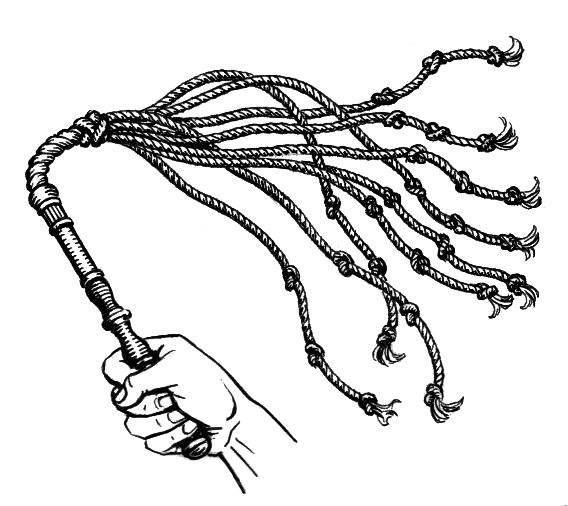
Torture devices like thumbscrews and a cat o’nine tails were used to inflict terror on the captive people
There were also high death rates amongst the crew
Crew members died from diseases and in rebellions and uprisings among the captive people
Resistance during the middle passage
Enslaved African people found many ways to resist during the middle passage, including:
Refusing to follow instructions
Refusing to eat
Jumping overboard
Full-scale rebellion attempts to take control of the ship
Female enslaved Africans were often unshackled
They played a crucial role in organising rebellions, stealing weapons or tools
These were used to break the shackles of the male captives
It is estimated that on at least 10% of voyages, there were attempted full-scale rebellions
The ship's crew were armed with guns, barricades and canons, which meant successful rebellions were rare
The ringleaders of rebellions would be dealt with brutally in an attempt to set an example
Executions and beheadings took place, with other captives forced to watch
Suicide was another form of resistance
Captives would attempt to jump overboard
Some ships rigged nets around the deck to try to prevent this
Captives could also resist by refusing to eat or drink

Unlock more, it's free!
Join the 100,000+ Students that ❤️ Save My Exams
the (exam) results speak for themselves:

Was this revision note helpful?
