Rationing (SQA National 5 History): Revision Note
Exam code: X837 75

Summary
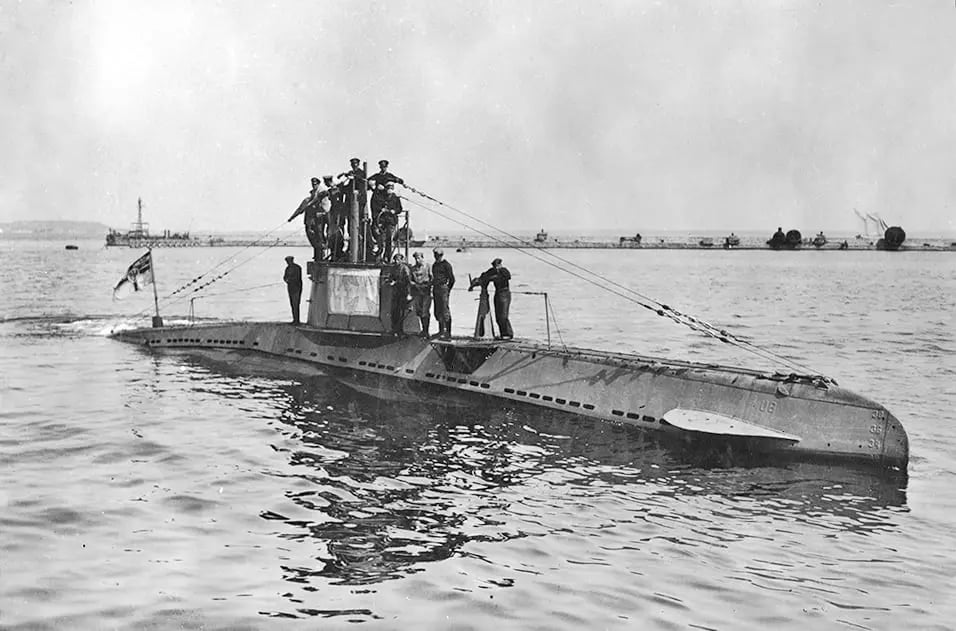
Voluntary rationing was introduced in 1917, when the UK government encouraged people to eat less bread and have meat-free days. Food Control Committees were set up in Scottish towns to prevent hoarding. Compulsory rationing was introduced in 1918. This meant that food supplies such as sugar and meat were limited. The main reason why rationing was introduced was that German submarines (U-boats) cut Atlantic imports, threatening food supplies. The government believed that rationing would ensure fair shares and maintain morale.
What was rationing?
From early 1917, Germany used submarines, or U-boats, to sink British merchant ships bringing food and fuel to Britain
Britain relied heavily on imported food supplies, such as grain, sugar, fats and meat, so this led to shortages of food
German U-boats sank on average two British supply ships a day
Scotland’s East coast fishing industry also suffered as the North Sea was almost totally closed to fishing
Domestic output of food decreased because:
Many farm workers had enlisted
Farm horses, which at the time were used for many of the farm jobs, such as ploughing and pulling carts, were also taken to serve in the war
Rationing was a government system that controlled people’s access to scarce food supplies and goods by setting fixed allowances per person
Rationing was enforced through the use of ration books or coupons
Prices of scarce supplies were controlled to ensure fair shares and prevent hoarding or profiteering
What was the impact of rationing?
Long queues to buy food and profiteering were common, particularly before rationing
Once ration books and coupons were introduced, there was more predictable access to scarce food supplies
Public canteens, school meals and milk schemes helped sustain nutrition in deprived areas, such as Clydeside
Diets became simpler as there was less variety in food types
Some more deprived families ate more regularly than pre-war
Growth of allotment culture, which continued after the war
Worked Example
Explain the reasons why rationing was introduced during the Great War.
[6 marks]
Britain faced serious shortages of staple foods (grain, sugar, meat), [1] so the government had to control civilian consumption to keep supplies flowing. [1]
With farm labour off to the front and fewer horses/fertiliser, domestic output dropped. [1] Rationing managed demand so the limited supplies fed the whole population, not just those who could pay more. [1]
Long queues and profiteering meant some families went without. [1] Compulsory rationing ensured fairness and protected morale/health on the Home Front. [1]
Examiner Tips and Tricks
For Explain (6 marks), SQA marking instructions state you can score either by:
Six straightforward reasons, or
A smaller number of developed reasons, or
A combination of both
Three well-developed reasons will be awarded six marks, but ensure that you make the because/therefore link clear in each reason to secure the development marks.

Unlock more, it's free!
Join the 100,000+ Students that ❤️ Save My Exams
the (exam) results speak for themselves:

Was this revision note helpful?
