Changing Role of Women in Society (SQA National 5 History): Revision Note
Exam code: X837 75

Summary
Before the war, most women worked in domestic service, textiles or at home. When the war broke out in 1914 and men enlisted to fight, women took over the jobs the men had left. Women began working in munitions, engineering, transport and clerical work. Some of this work was dangerous, particularly in munitions factories where there was a risk of poisoning.
The war was an important turning point for women who were able to prove their patriotism, capability and skill. However, once the war was over and men returned to their roles, many women became unemployed or kept on in their roles but were paid less.
How women’s roles changed in the Great War
Women and work
By 1918, more than 200,000 men from Glasgow had either enlisted or been conscripted
This led to a labour shortage in many areas of work
The war effort needed ships, munitions, as well as food and transport
Women filled many of these roles
Thousands of women were employed in Clydeside engineering works and HM Factory Gretna, making explosives
Before the war, few women worked in heavy industry in Scotland
By 1918, factories in Clydeside employed over 30,000 women
Glasgow introduced female tram conductors from 1915
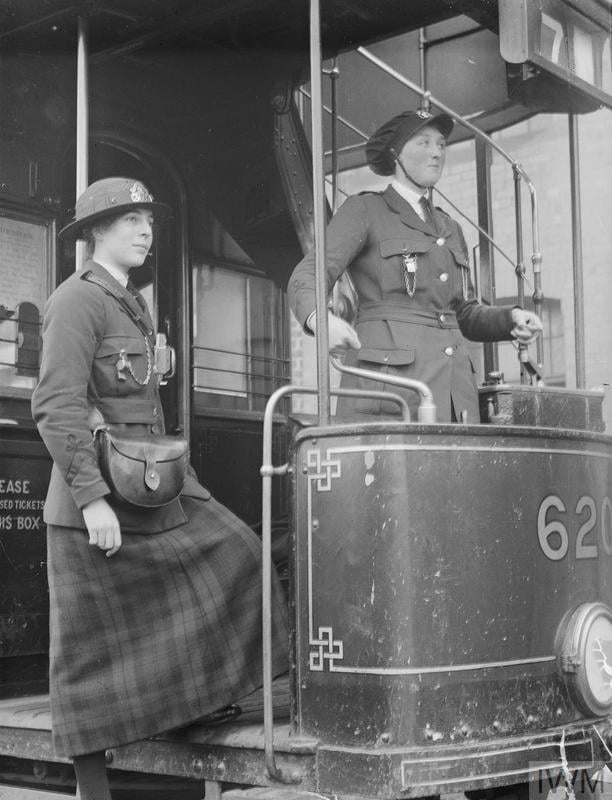
Women also became clerks, typists and postal workers
The Women’s Land Army in Fife, Angus and the Highlands kept farms running
Women worked in fish processing in Aberdeen and Peterhead
The Restoration of Pre-War Practices Act (1919) required employers, especially in engineering, shipbuilding and munitions, to return to pre-war arrangements, so that men returning from war had jobs
This meant that women could no longer keep their jobs
Other features of women's roles
Mary Barbour led the 1915 Rent Strikes, which aimed to force government rent controls to protect working families
Women managed ration books and queued for food, which was vital for keeping households fed

Unlock more, it's free!
Join the 100,000+ Students that ❤️ Save My Exams
the (exam) results speak for themselves:

Was this revision note helpful?
