Changes in Technology During the Great War (SQA National 5 History): Revision Note
Exam code: X837 75

Summary
New technology changed the way the First World War was fought. Advancements in technology led to the development of artillery that could fire huge numbers of shells and machine guns that could fire hundreds of bullets per minute. Both made battles far more deadly.
Poison gas was first used in 1915, and resulted in gas marks becoming standard. The use of tanks began in 1916. They were difficult to manoeuvre, but they played an important role in crushing barbed wire on 'No Man’s Land'. Aircraft were used in the Great War mainly for reconnaissance to spot enemy positions.
Artillery
Artillery caused the most casualties during the First World War
The heavy bombardments aimed to cut the barbed wire and smash the enemy trenches
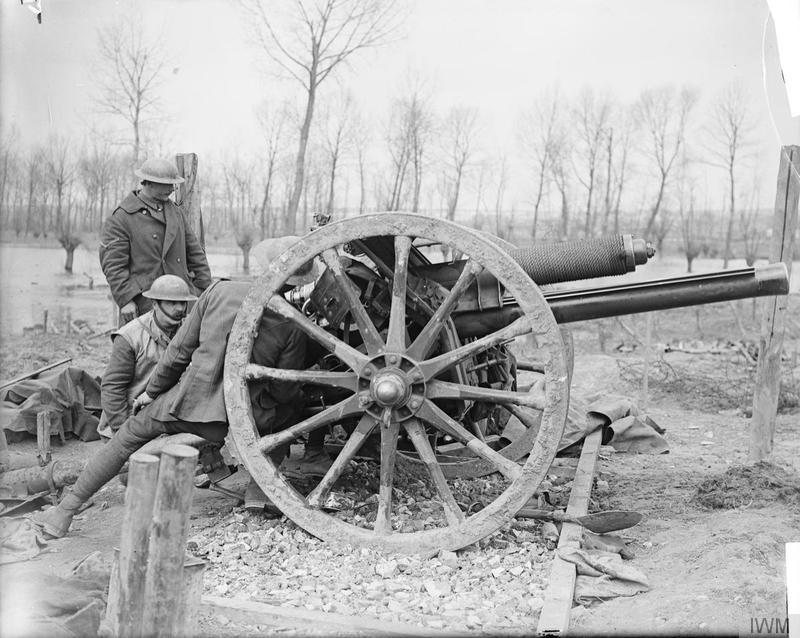
Scottish units advanced once the artillery guns had done their job and cleared the way forward for their advance
For example, the 51st (Highland) Division used a tightly timed barrage to help take Beaumont Hamel in November 1916
The creeping barrage put a moving wall of shells just ahead of the troops so they could cross 'No Man’s Land' with some protection
Scots such as the Royal Scots and Highland Light Infantry attacked behind these barrages at Arras in 1917, gaining ground in the opening days
The bombardments were often unsuccessful because:
They warned the enemy and failed to cut all the barbed wire
Were often imprecise and missed their intended targets
German trenches were fortified with timber or concrete
They were able to shelter from artillery bombardments in their deep dugouts
Gas
Gas was used to blind, choke and panic soldiers so infantry could advance
Britain’s first use of gas was at the Battle of Loos in September 1915.
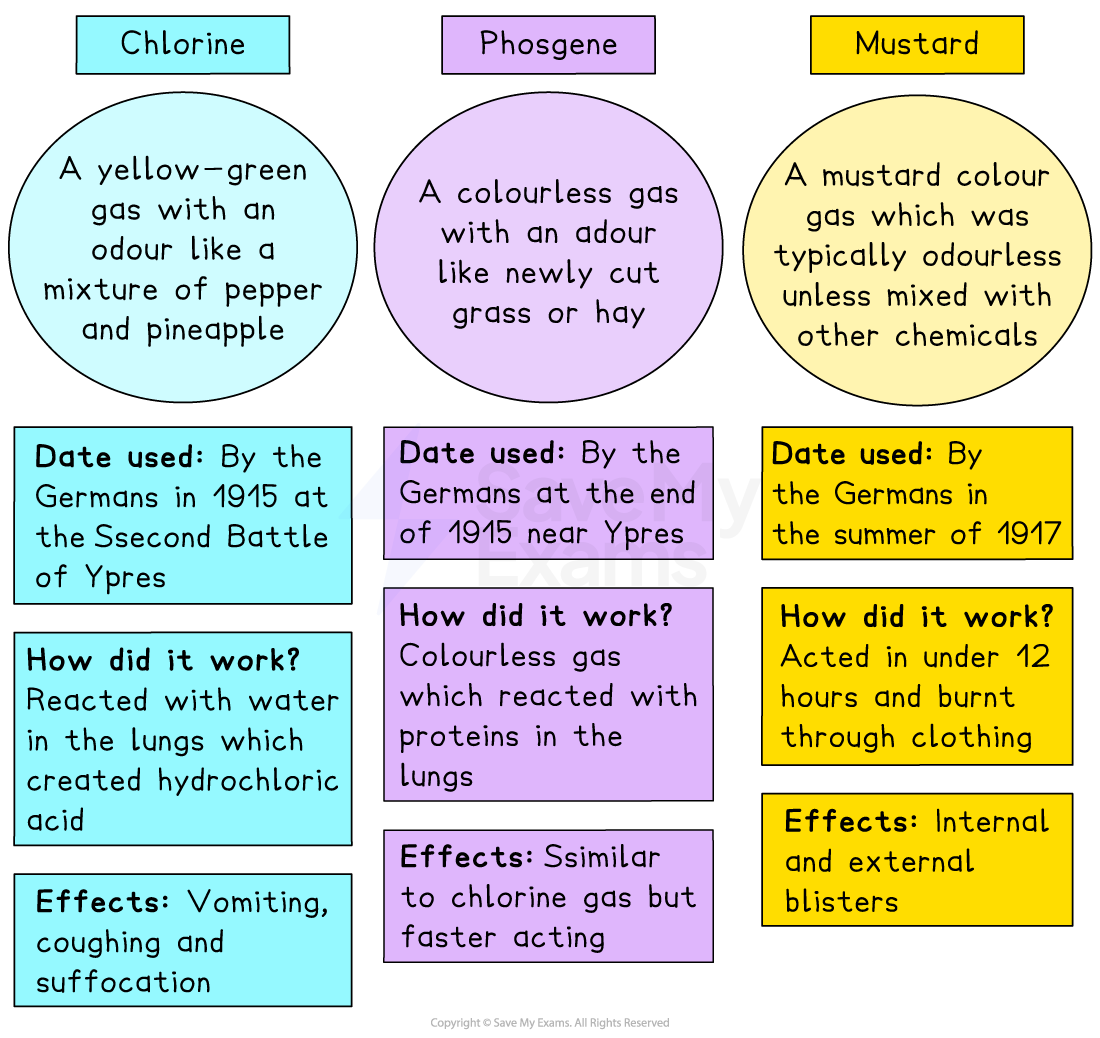
Shifting winds meant that gas could drift back, causing casualties to the side using the gas
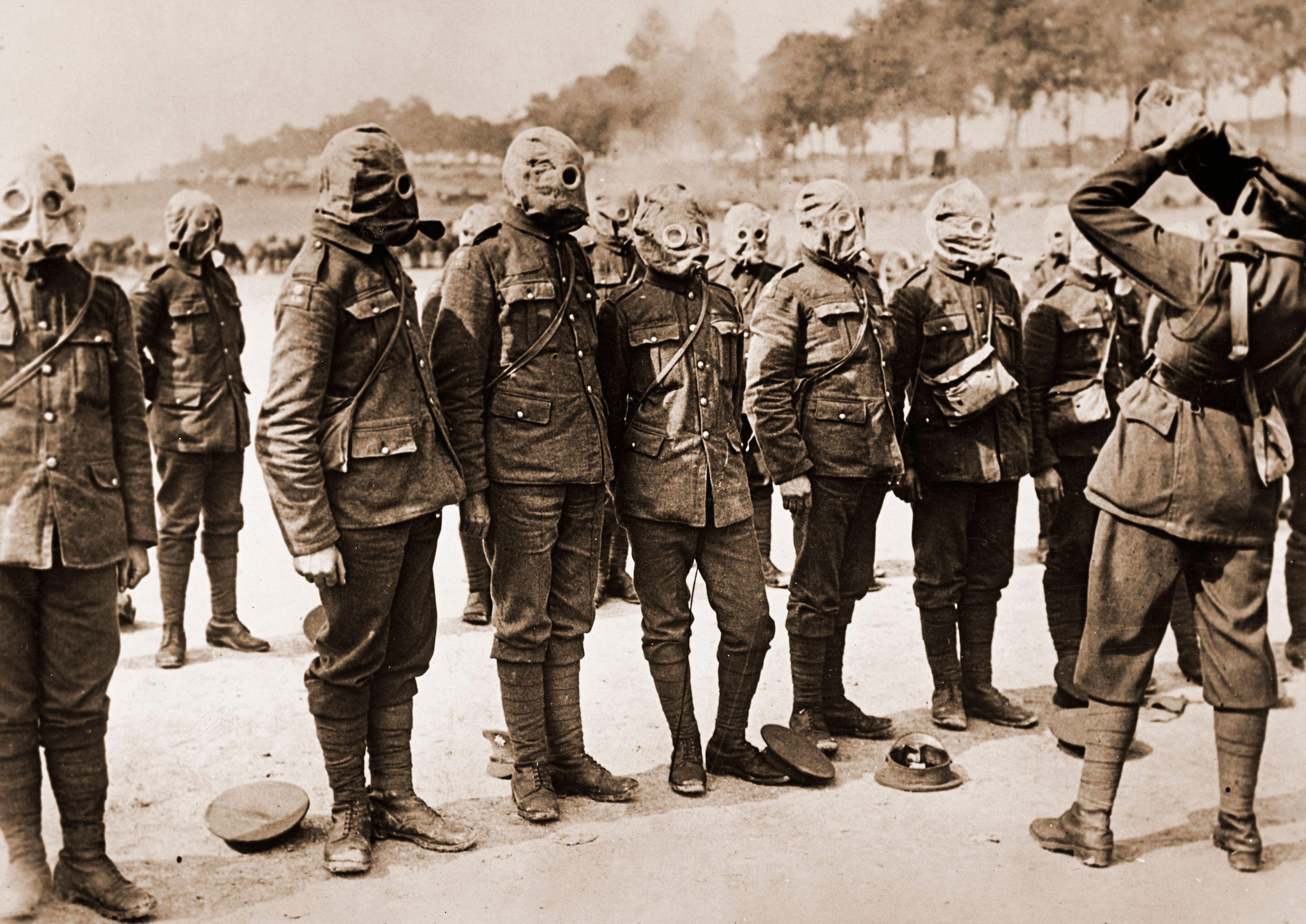
Gas masks made troops slow and clumsy
They restricted vision, breathing and speech
Chlorine, phosgene and mustard gases were used in attacks and these caused respiratory injuries, burning to the skin and sometimes blindness
Early attacks released gas from cylinders; later, it was fired by shells and mortar
Scottish regiments on the Somme and at Arras trained and fought under frequent gas alerts, carrying masks at all times
Tanks
Tanks were used to crush barbed wire and knock out enemy strong points
In September 1916, during the Somme battle at Flers–Courcelette, the 15th (Scottish) Division advanced with tank support to help take Martinpuich.
The early tanks were unreliable as they often became stuck in the mud or broke down
This could stall infantry attacks
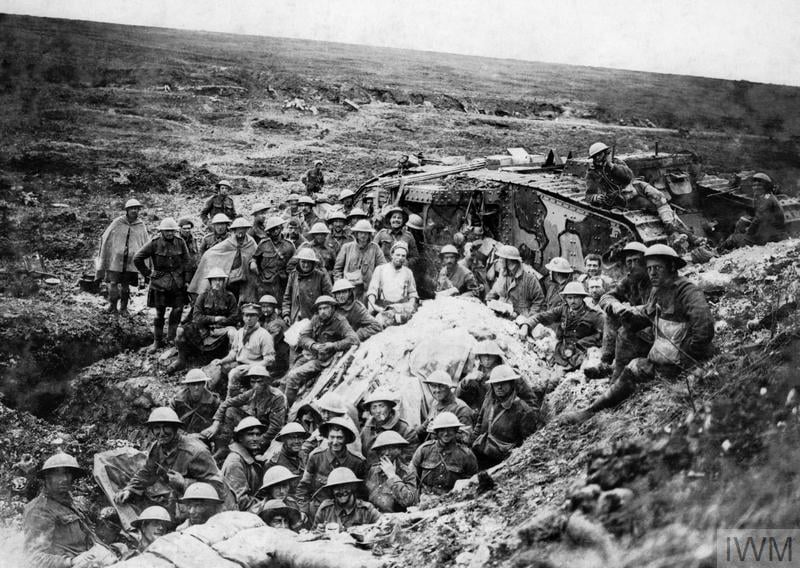
The sight and noise of tanks frightened enemy soldiers and could force quick surrenders when they appeared suddenly through the smoke
Deep shell holes and mechanical failure stopped many tanks
Germans learned to target them with field guns at close range and special armour-piercing bullets
Aircraft
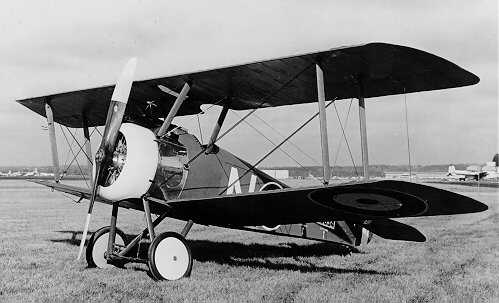
Aircraft were used to take photographs and signal troop movements
Scottish units such as the 51st (Highland) Division and Royal Scots used aerial photographs and contact-patrol planes in attacks at Beaumont Hamel (1916) and Arras (1917) to time advances and correct barrages.
Low-flying aircraft would fly low over the trenches and shoot at the enemy soldiers below
During Arras 1917, strong Royal Flying Corps air cover helped Scottish battalions like the Highland Light Infantry make quick early gains before the battle slowed
Early aircraft were fragile and unreliable, so engine failure or gun jams were common
Bad weather and low clouds often grounded planes or ruined reconnaissance photos
Machine Guns
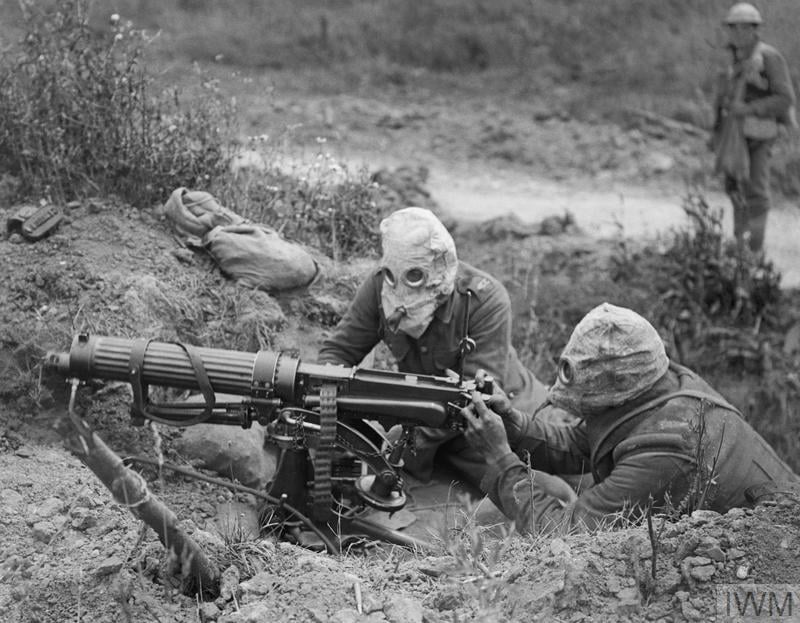
Machine guns fired hundreds of rounds a minute, cutting down attacks across no man’s land
Scottish battalions such as the Black Watch and Royal Scots suffered heavy losses at Loos and on 1 July 1916 when German guns swept open ground
Heavy Vickers guns gave sustained fire from fixed positions, while lighter Lewis guns were carried forward with the infantry to add close support
Early guns were heavy and needed teams, water, and large amounts of ammunition; they could overheat or jam and were obvious targets for artillery
Worked Example
Describe the use of poison gas on the Western Front.
[4 marks]
Gas was first used in 1915; Britain used it at Loos in September 1915. [1]
Early attacks released gas from cylinders; later it was fired by shells and mortars. [1]
Types included chlorine, phosgene and mustard gas (burned skin and lungs, contaminated ground). [1]
Armies reacted with gas masks, alarms and drills, reducing deaths but forcing troops to fight in masks. [1]

Unlock more, it's free!
Join the 100,000+ Students that ❤️ Save My Exams
the (exam) results speak for themselves:

Was this revision note helpful?
