Contributions of the Scots on the Western Front (SQA National 5 History): Revision Note
Exam code: X837 75

Summary
Several key battles fought on the Western Front involved Scottish soldiers. The Battle of Loos (1915) was the first large-scale battle in which poison gas was used. Scottish troops faced heavy casualties in this early battle in the French mining town of Loos.
The Battle of the Somme was fought in the summer of 1916 to try to break the stalemate between the opposing sides. Heavy artillery was used and although a quick win was anticipated by General Haig, fighting dragged on throughout the autumn, resulting in huge losses of life. The Battle of Arras (1917) is another example of a costly struggle that included significant loss of life with little territorial gain.
The Battle of Loos
The battle began on 25 September 1915 and was Britain’s first big offensive in France.
The Battle of Loos saw Britain’s first use of poison gas aimed at breaking German lines around the mining town of Loos, France
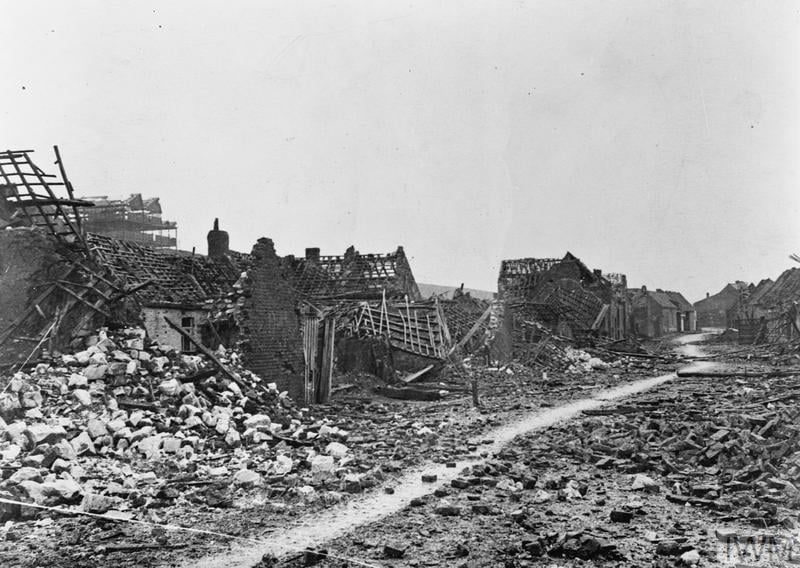
The contribution of Scottish battalions during the Battle of Loos
There was significant Scottish involvement in the Battle of Loos, especially the 9th and 15th Scottish Divisions
Units like the Black Watch and Cameron Highlanders suffered severe losses
Piper Daniel Laidlaw earned the Victoria Cross for rallying his battalion under fire
Laidlaw climbed onto the parapet and marched up and down playing “Blue Bonnets Over the Border,” encouraging the Scottish troops to go over the top and attack the German front line
He became known as 'The Piper of Loos'
The Battle of the Somme
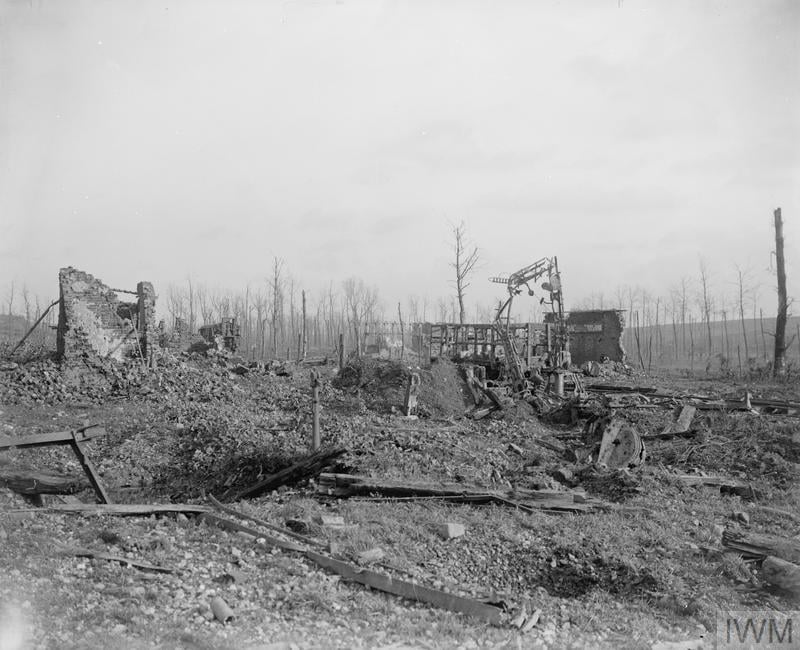
The battle fought in northern France began on 1 July 1916 with a huge artillery bombardment that could be heard as far away as London
The bombardment was designed to cut all the barbed wire and destroy German trenches
This aimed to allow British troops to cross over 'No Man’s Land' at a walking pace and safely push back the German line
Fighting during the battle lasted 140 days
The creeping barrage and the first tanks were also used during the battle
There were around 1 million casualties on both sides during July-November 1916
Roughly 300,000 people were killed in total
About 100,000 British, 50,000 French, and 150,000-170,000 German
On 1 July 1916 (the first day), about 19,240 British soldiers were killed
The contribution of Scottish battalions during the Battle of the Somme
The 51st Highland Division helped capture Beaumont Hamel in November 1916
Many battalions of the Royal Scots, Highland Light Infantry, Black Watch and Gordon Highlanders took heavy casualties
McCrae’s Battalion (16th Royal Scots), which included Hearts players and supporters, suffered severe losses near La Boisselle/Contalmaison on 1 July 1916
The Battle of Arras
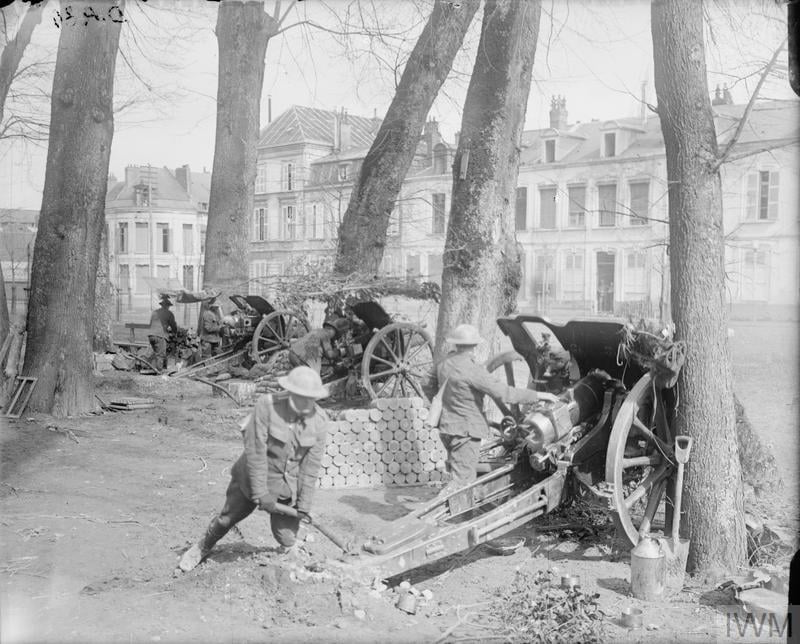
The Battle of Arras lasted from April to May 1917
The battle involved a series of short, intense bombardments, creeping barrages and surprise attacks from underground tunnels around Arras and Vimy
Although the Allies made fast initial gains, the advance slowed and the number of casualties rose
There were approximately 158,000 British casualties and 120,000-130,000 German casualties in the Battle of Arras
One single day (3 May) saw over 7,000 British killed
The contribution of Scottish divisions at Arras
The Royal Scots, Highland Light Infantry, fought in the opening attacks at Arras
The 51st (Highland) Division fought brutal actions around Roeux and the Chemical Works on the River Scarpe in May 1917
This Scottish unit was successful in taking ground but suffered heavy casualties as a result

Unlock more, it's free!
Join the 100,000+ Students that ❤️ Save My Exams
the (exam) results speak for themselves:

Was this revision note helpful?
