What was Scotland Like in 1900? (SQA National 5 History): Revision Note
Exam code: X837 75

Summary
Scotland was a significant part of the British Empire. Glasgow was known as the ‘Second City of the Empire’.Glasgow’s lead in shipbuilding, engineering, and jute supplied imperial markets and, in time, helped equip the Empire for war. As production increased throughout the early 1900s, unrest grew among the working class, who were unhappy about low pay and dangerous working conditions. The trade union movement grew in the early 1900s as a response to the conditions.
The political landscape was shifting from Liberal dominance towards a rising Labour movement. At the same time, women’s suffrage movements were campaigning for an extension of voting rights, while sectarian tensions grew in some parts of Scotland. The living conditions were challenging during this time. The working class faced overcrowded tenement buildings, poverty and poor health. TB and infant mortality were high during this time. Rural areas also faced challenges related to depopulation and crofting pressures.
Examiner Tips and Tricks
The information on this page will not be covered in the final exam but provides the context to help you understand the content that will be examined.
The British Empire
Scotland played an important role in the success of the British Empire
Many important industries manufactured goods that were sold to imperial markets
Clyde shipyards, such as John Brown & Co. (Clydebank) built liners and warships
Dundee’s jute mills turned jute into sacks and ropes
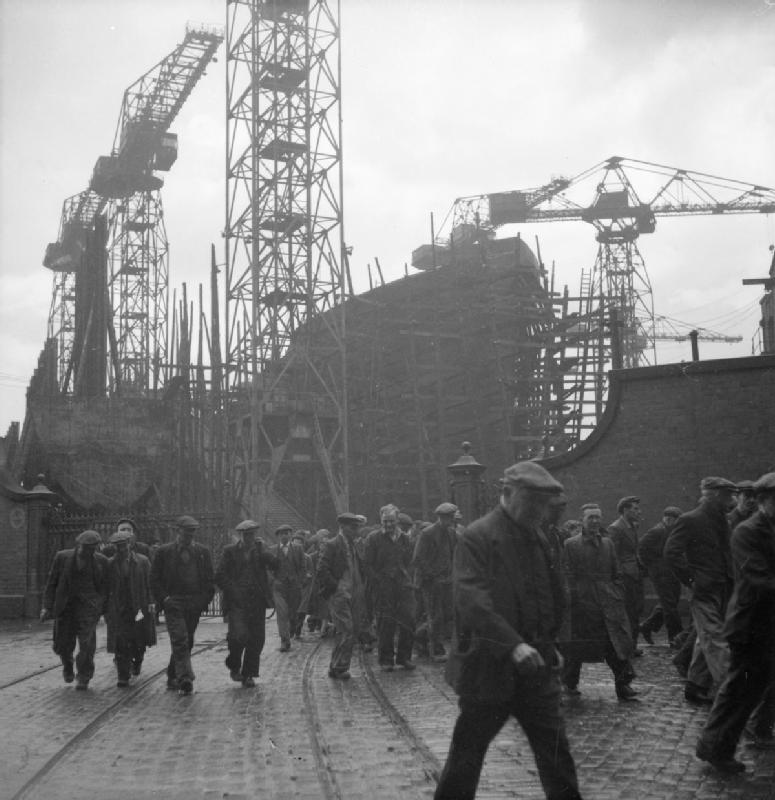
Banks, insurance firms and shipping companies based in Glasgow financed and managed trade throughout the Empire
For example, Clydesdale Bank financed local industry and commerce
Missionaries from Scotland set up churches, schools and hospitals overseas, spreading religious ideas and literacy
Mary Slessor from Dundee travelled to Calabar, present-day Nigeria and opened mission schools, taught girls as well as boys, and promoted basic healthcare
Industry and unrest
Scotland was known as a world leader in shipbuilding, coal, iron and steel engineering
The work was hazardous
Lanarkshire, Fife and Ayrshire coalfields employed tens of thousands; miners faced gas and dust disease
Wages for industrial workers fluctuated according to trade cycles and demand
Lay-offs were common when fewer workers were needed
Workers began to organise themselves in response to their challenging working conditions
The Singer Strike (Clydebank) in 1911 was a response to managers increasing the workload without paying additional wages
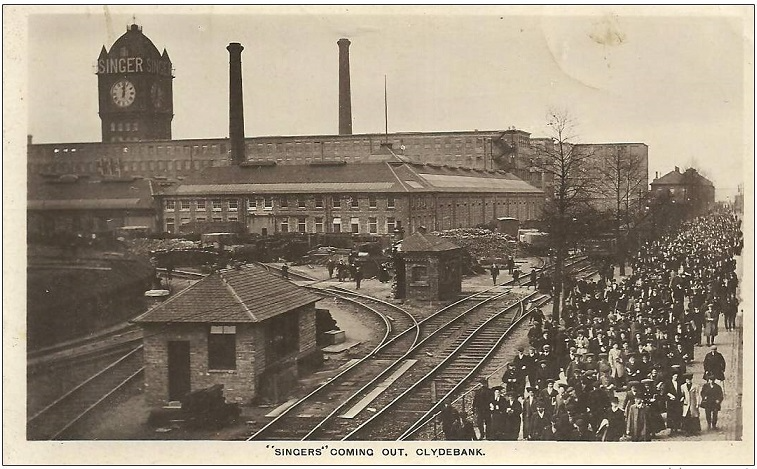
The early 1900s saw the growth of trade unions
The ILP (Independent Labour Party) and the Labour Party gave workers a political voice
The challenges Scottish people faced
Housing
There were overcrowded living conditions in Glasgow’s Gorbals and Calton areas
Multiple families shared basic facilities such as bathrooms
Dundee also had dense, poor-quality housing near the jute mills
Health
Tuberculosis (TB) was common in overcrowded areas such as the Gorbals
Infant mortality was high in inner-city areas such as Glasgow and Dundee
Poverty & Unemployment
The fluctuation in trade caused irregular work, layoffs and wage cuts
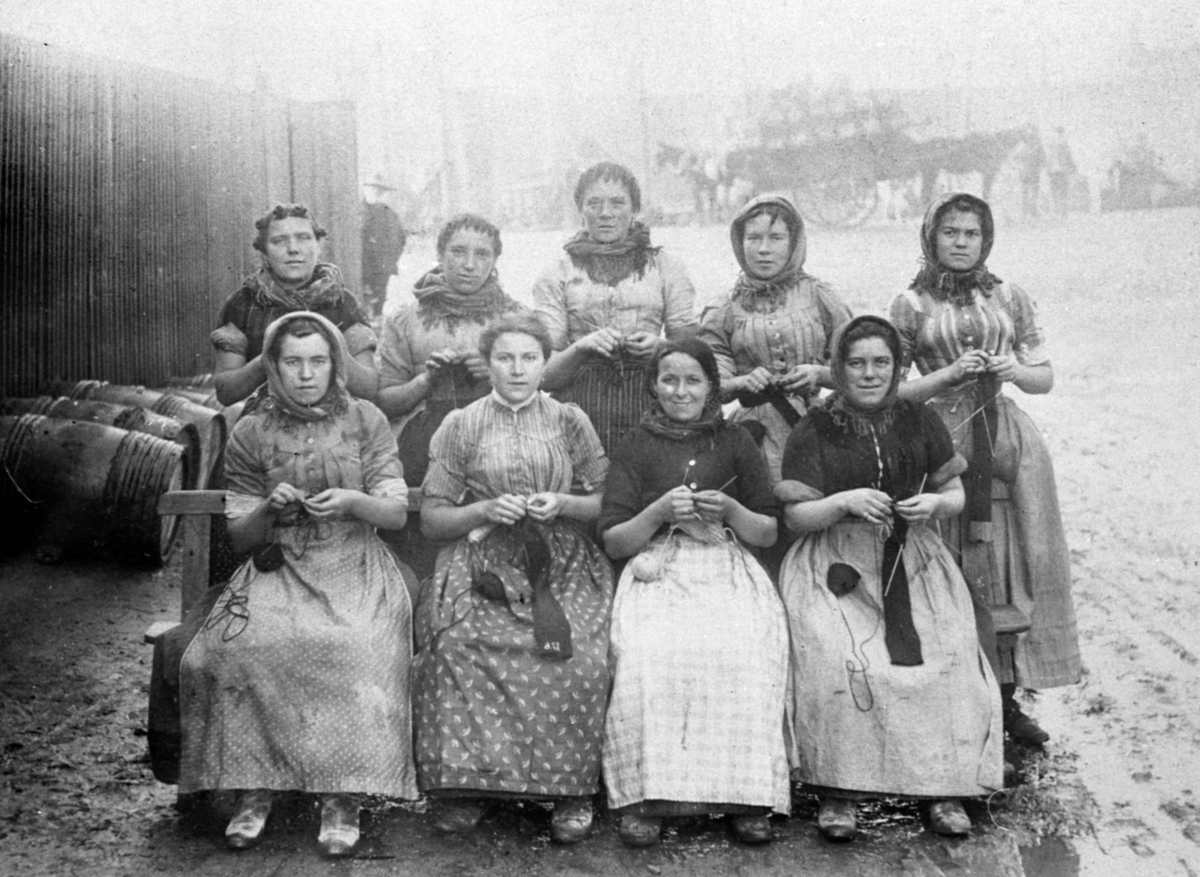
Many women in Dundee jute factories earned low wages with little job security
Rural Issues
Depopulation in the Highlands and Islands was caused by young people leaving for Scottish cities or overseas, such as Canada
The seasonal herring fishing industry decreased sharply
Small farms (crofts) struggled with poor soil and high rents

Unlock more, it's free!
Join the 100,000+ Students that ❤️ Save My Exams
the (exam) results speak for themselves:

Was this revision note helpful?
