Brezhnev & Stability, 1964–82 (Edexcel A Level History): Revision Note
Exam code: 9HI0

Summary
This note will examine the extent to which Brezhnev brought stability to the USSR
Khrushchev was removed in 1964 due to:
Policy failures
Erratic leadership
Loss of Party confidence
Leonid Brezhnev stabilised government by:
Restoring collective leadership
Reversing radical reforms
Promoting loyalty over innovation
His policies brought stability but also created stagnation and corruption
Historians debate whether Brezhnev’s stability was necessary to preserve the system or whether it fatally weakened the USSR in the long run
What caused Khrushchev's downfall?
By the early 1960s, Khrushchev faced growing criticism from within the Communist Party
Policy failures
Agricultural reforms, especially the Virgin Lands Scheme, initially succeeded but later failed
This led to food shortages
Foreign policy disasters
The Cuban Missile Crisis (1962) damaged Khrushchev’s reputation abroad and at home
Erratic leadership style
Khrushchev's impulsive behaviour and abrupt policy changes alienated colleagues
Many Party officials resented:
His attempts to decentralise power
Party members frequently were demoted or lost their jobs, leading to resentment
How was Khrushchev removed from power?
In October 1964, Leonid Brezhnev and other senior figures summoned Khrushchev to a meeting
They criticised Khrushchev for:
His economic policies
His mishandling of the economy
Creating his own cult of personality
The Central Committee voted to remove Khrushchev from power
They allowed Khrushchev to retire with a pension
He lived under armed guard for the rest of his life
The Soviet media reported that Khrushchev stepped down due to ill health
How did Brezhnev stabilise the government?
Collective leadership
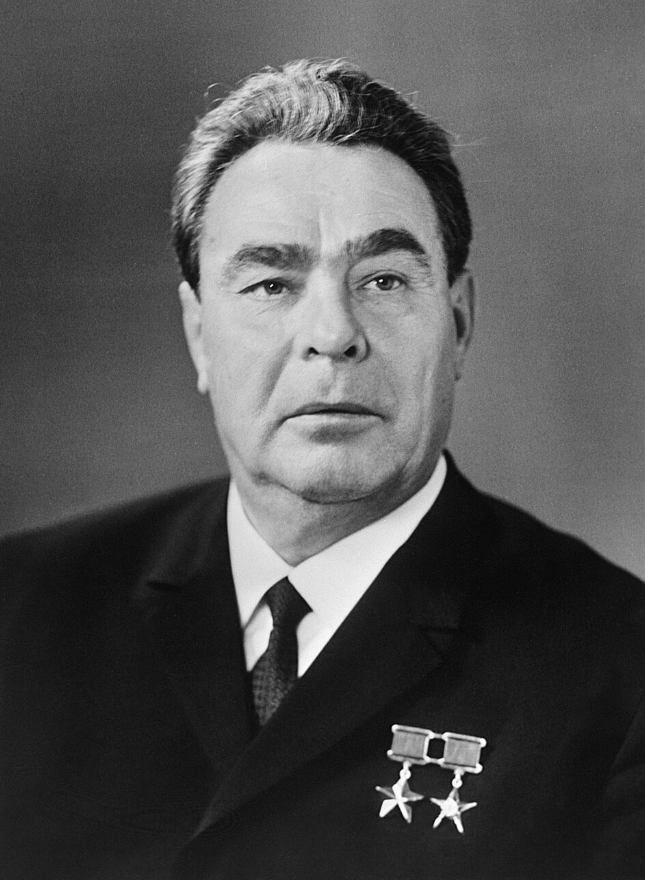
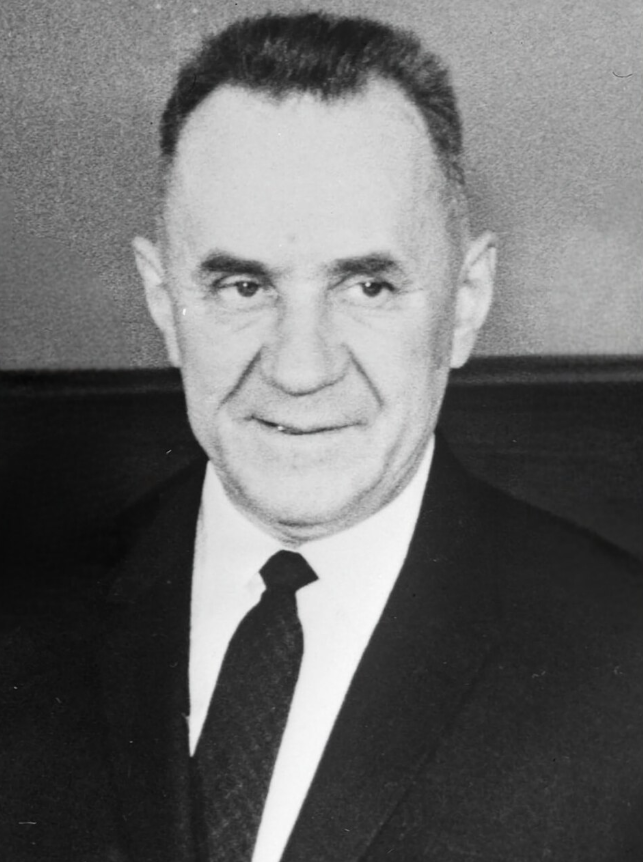
In 1964, Brezhnev ruled with Alexei Kosygin
Brezhnev led the Party as General Secretary
Kosygin became Premier, the most senior state job
This arrangement avoided Khrushchev’s personalised, unpredictable style of leadership
The collective rule of Kosygin and Brezhnev lasted until 1970
Kosygin lost his position as Premier
Recentralisation of power
The government reversed Khrushchev's most unpopular policies
He removed the time limit restriction on Party positions
Brezhnev restored the state minister positions that Khrushchev had removed
He stopped de-Stalinisation and Khrushchev's economic policies
The Party over the state
The 1977 Constitution stated that the Party had power over Soviet society
This re-confirmed Stalin's view that the Party was more powerful than the state
Status quo
Brezhnev wanted no more economic or political reforms
He believed that, by 1930, the Party had revolutionised the Soviet society enough
He wanted to continue on the path set out by Lenin and Stalin
Brezhnev wanted everything to stay the same within the Party
The 'stability of cadres' policy discouraged promotion and demotion within the Party
Examiner Tips and Tricks
Students who perform well at A Level make links across the course. Hopefully you have noticed a pattern of the changing relationship between the Communist Party and the Soviet state.
In your revision, try to map out this relationship. Draw a graph with power on one axis and dates on the other. For each leader, plot the power of the Communist Party and the Soviet state. Note how this changes over time.
How successful were Brezhnev's measures to stabilise the USSR?
Historians debate whether Brezhnev’s stabilisation policies saved or undermined the Soviet system
Stability as strength
Some historians argue that Brezhnev’s leadership style reassured Party officials, who felt secure in their positions
For many citizens, Brezhnev’s era brought predictability and security
It is sometimes called the “Years of Stability”
Key historians
"By the end of the 1960s, Politburo members were united in their broad approach. They did not abandon Khrushchev's basic policies; but they erased his eccentricities and pencilled in what they thought to be sound alternatives. Stalin had been too brutal, Khrushchev too erratic. They did not want to revert to the bloody fixities of the post-war years; they were glad that the unsettling reorganizations after 1953 had been terminated. It was their assumption that such an approach would affect a successful stabilization of the Soviet order. They acted out of optimism and still believed in the superiority of communism over its competitors. They could point to the military security and economic advance achieved since 1964. They were confident about having checked the rise of dissent and having brought the intelligentsia and the working class under control. They were not entirely hostile to experimentation in their measures at home and in Eastern Europe." - Robert Service, A History of Modern Russia from Nicholas II to Vladimir Putin (2005)
"The Brezhnev era (1964–1982) has been characterised as one of stagnation, and with some obvious justification... This does not, however, do justice to the many changes that were going on below the level of the top leadership... Instances of large-scale unrest were rare, with the economy maintaining (by global standards) reasonable but not spectacular growth rates until the late 1980s. Although economic growth eventually lagged behind that of the major western economies and the limitations of the planned economy were already apparent, technological improvements and rising oil prices allowed for a greater emphasis on consumer goods, with many families now able to own refrigerators and televisions for the first time...Social stability was also underlined by the urbanisation of most of the country and universally high levels of education." - Jeremy Smith, Stability and national development: the Brezhnev years, 1964–1982 (2014)
Stability as stagnation
Others argue Brezhnev’s measures created long-term weakness:
The system became increasingly corrupt, with patronage and nepotism widespread
Economic decline accelerated in the 1970s, undermining the long-term survival of the USSR
Key historians
"The average age of the Politburo rose from sixty in 1964 to over seventy in 1982. This was a gerontocracy whose only ideology was to make things stay the same. Brezhnev gave a name to this conservative idea, 'Mature Socialism', the absurd doctrine that a socialist society had been successfully created and that all that was now needed was to consolidate its gains, which he invoked when he introduced the 1977 'Brezhnev Constitution', the third and last of the Soviet regime. But at sixty years Soviet socialism was older than mature. It was at retirement age." - Orlando Figes, A People’s Tragedy (1996)
"There were ample grounds for dissatisfaction with the Soviet status quo... Whatever nostalgia may have been felt in post-Soviet Russia, especially in the first decade after the end of Communism, for the Brezhnev years, that era was a time of great hypocrisy. If public criticism and overt social conflict were rare during this period, that was largely because of the strictness of the censorship, the sophisticated system of rewards for conformist political behaviour, and the hierarchy of sanctions for deviation from that norm." - Archie Brown, The Rise and Fall of Communism (2009)

Unlock more, it's free!
Join the 100,000+ Students that ❤️ Save My Exams
the (exam) results speak for themselves:

Was this revision note helpful?