Control of Mass Media in the USSR (Edexcel A Level History): Revision Note
Exam code: 9HI0

Summary
This note will examine the power of mass media in the Soviet state
From Lenin to Chernenko, the Soviet state kept tight control over newspapers, radio, television, and cinema
Media was used to spread propaganda, promote leaders’ cults of personality, and restrict access to alternative viewpoints
Control meant that communist ideology was always presented as the official truth
However, many citizens became sceptical
They knew newspapers, radio, and television were heavily censored and did not reflect everyday reality
Historians debate whether controlling the media strengthened Soviet stability or weakened it by alienating the public
Soviet control of newspapers & magazines
Lenin (1917–1924)
Bolsheviks shut down opposition papers immediately after taking power
Printing presses were nationalised
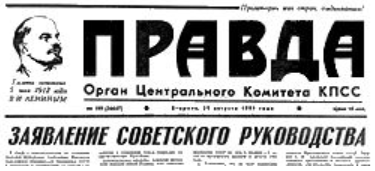
Pravda ('Truth') became the Party’s main newspaper
It presenting Bolshevik ideology and attacking class enemies
Glavlit
Stood for the Main Administration for Literary and Publishing Affairs
Created in 1922, it was the official state censorship body
Every book, article, and film script had to be approved by the GPU before publication
Controlled not just politics but also sensitive scientific topics (such as nuclear physics)
'Book Gulags'
Banned or politically sensitive books were removed from general circulation
Some were kept in special 'Book Gulags'
These were closed sections of libraries
Access was tightly controlled, usually only granted to:
Academics with special permission
Party officials
Stalin (1928–1953)
Newspapers like Pravda and Izvestiya reported successes of Five-Year Plans
The news credited Stalin will all of the achievements of the regime
Heroic workers were celebrated daily
The media ignored famine, purges, or defeats
'Bad news' was bad or blamed on saboteurs
From 1928, Glavlit controlled access to all economic data
Khrushchev (1953–1964)
In the 1950s–60s, a small degree of media pluralism emerged
The regime allowed more lifestyle and consumer-focused magazines
These were not politically critical but offered practical content, showing a shift towards meeting public demand
For women
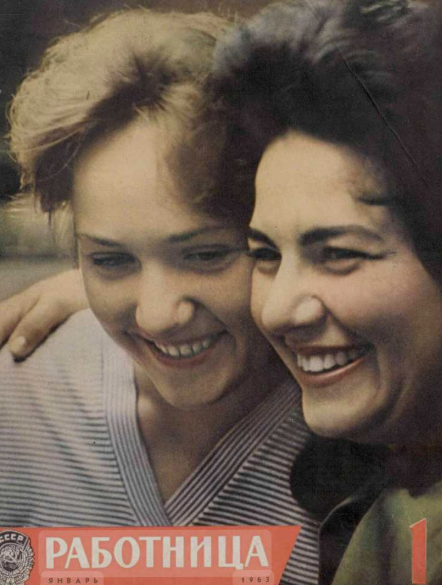
Magazines such as Rabotnitsa ('The Woman Worker') targeted female readers
Offered advice on:
Childcare
Cooking
Health
Fashion
Readers highlighted significant social issues in the USSR, such as:
Male alcoholism
Domestic inequalities
Domestic violence
In response, Khrushchev launched a propaganda campaign against 'worthless men' who were not 'dedicated to communism'
This reflected Khrushchev’s promises to improve living standards and family life
Satire and humour
Krokodil, a satirical magazine, mocked inefficiency, corruption, and minor social problems
It was tightly censored and never criticised Party leaders
It acted as a 'safety valve' for public frustration
Allowed readers to laugh at everyday absurdities while reinforcing loyalty to the state
Brezhnev to Chernenko (1964–1985)
Leaders lost control of publications
Western magazines became increasingly common in Soviet cities
Popular magazines included Vogue
These showed the level of consumerism in the West, undermining the Soviet system
Examiner Tips and Tricks
When writing about Soviet control of the media, don’t just list policies or examples for each leader.
Examiners want to see that you can identify long-term trends as well as short-term changes. For example, across the whole period, one major continuity was that censorship never disappeared. However, within that, there were clear shifts, such as Khrushchev briefly loosened control with more “human” films and consumer magazines.
By showing both continuity and change, you demonstrate a higher-level understanding of the topic.
Soviet control of the radio
Lenin and Stalin
Radios were mass-produced from the 1920s as a cheap way to spread propaganda
Radios were deliberately made with limited tuning capacity, so they could only receive state stations
Popular in rural areas where literacy was low
Khrushchev and Brezhnev
Loudspeakers placed in public spaces, broadcasting news and Party speeches
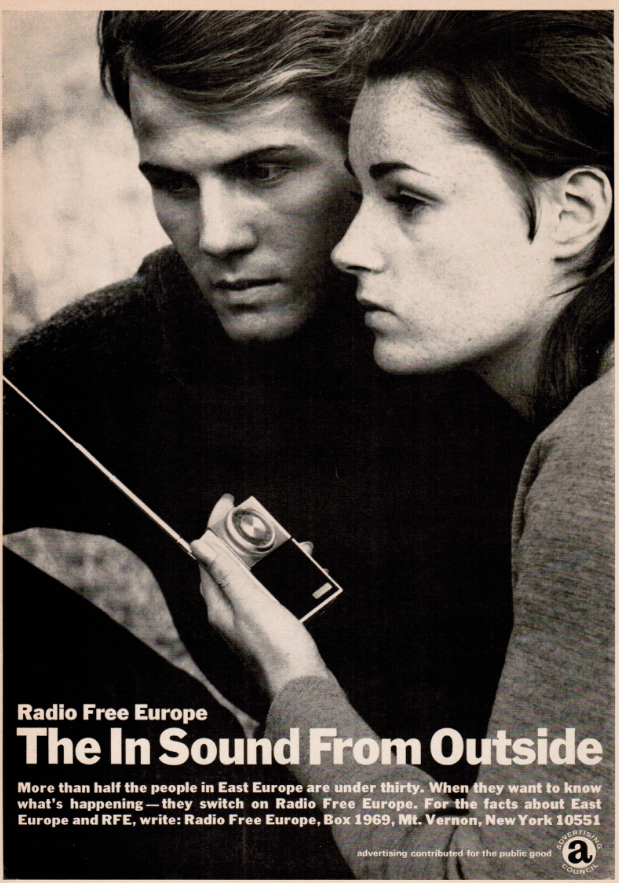
Foreign broadcasts like Radio Free Europe and Voice of America tried to reach Soviet audiences with alternative information
The USSR used jamming technology to block these signals, though some citizens found ways to listen secretly
Despite censorship, radio remained an effective propaganda tool due to its speed and wide reach
Soviet control of the cinema
Lenin
Lenin declared: “Of all the arts, cinema is the most important”
Films could reach illiterate peasants and spread ideology
Early silent films showed revolutionary struggle
They vilified the Whites in the Civil War
Newsreels were widely shown in towns and villages to spread Bolshevik victories
Stalin
Cinema became a central part of Socialist Realism
Films glorified industrialisation and collectivisation, portraying workers and peasants as heroes
Stalin’s cult of personality dominated
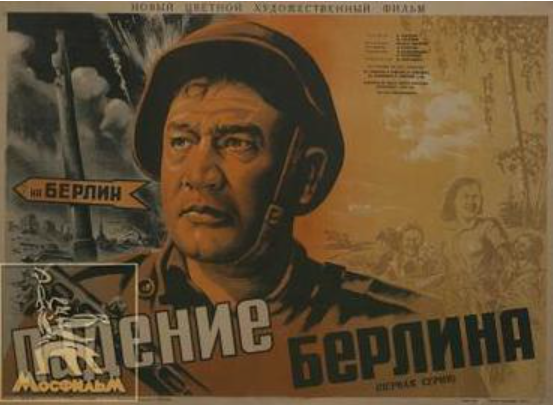
Films like The Fall of Berlin (1950) celebrated Stalin's greatness during the Second World War
Leaders appeared as wise, fatherly figures guiding the USSR to greatness
Khrushchev
De-Stalinisation and the Thaw brought more freedom in cultural life, including cinema
Filmmakers explored ordinary people’s experiences, everyday struggles, and emotional lives, moving away from Stalinist hero-worship
The Forty-First (1956)
A war film focusing on a female soldier and her doomed romance with a captured White officer
It highlighted personal stories, not just Party triumphs
Ballad of a Soldier (1959)
Portrayed a young soldier’s humanity and sacrifice
It emphasised individual experience in war
Brezhnev
The cultural thaw ended; censorship tightened again
Cinema shifted back to safe and conservative genres, such as:
Historical epics
Patriotic war films
However, Brezhnev also encouraged films that showcased consumer aspirations and luxury lifestyles
The Irony of Fate (1975) was a romantic comedy satirising Soviet housing blocks
However, it showed aspirational modern living
Moscow Does Not Believe in Tears (1980) followed three women in Moscow chasing careers, love, and consumer success
It portrayed Soviet modernity and the dream of a 'better life'
Soviet control of television
Early growth under Khrushchev (1950s–1960s)
Television spread rapidly in the USSR
By the early 1960s, most towns had access to state-controlled channels
Programming often celebrated scientific and technological triumphs, especially the space race
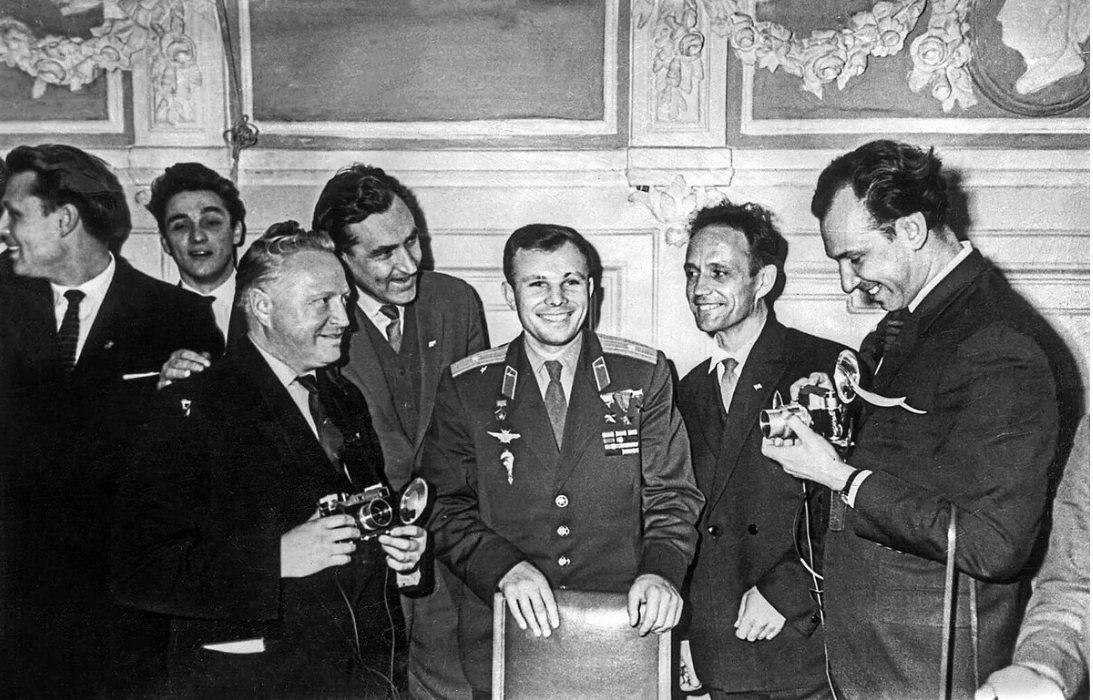
Coverage of Yuri Gagarin’s spaceflight (1961) made him a national and international hero
Gagarin’s smiling face was shown repeatedly, symbolising Soviet progress and superiority
Brezhnev (1964–1982)
Propaganda and news programming
Television became the most popular medium for Soviet citizens, overtaking newspapers
Estafeta Novostei (News Relay) was a central news programme
It provided highly controlled coverage of Soviet achievements and downplayed or ignored crises
News reports consistently presented the USSR as stable, strong, and united, reinforcing Brezhnev’s “era of stability”
The War in Afghanistan (1979–1989)
The invasion of Afghanistan was heavily censored on television
Official broadcasts described it as “internationalist duty” to support Afghan communists, avoiding mention of Soviet casualties
Families often found out about deaths through unofficial networks, fuelling public cynicism about TV propaganda
Brezhnev’s declining health
From the late 1970s, Brezhnev appeared regularly on television at Party congresses and official events
His physical decline was obvious as he had:
Slurred speech
An inability to walk unaided
A reliance on notes
Instead of reassuring the public, these broadcasts reinforced the sense of stagnation and decline in the USSR
Impacts of Soviet control of mass media
Strengthened control
Promoted cults of personality for Lenin, Stalin, Khrushchev, and Brezhnev
Gave the Party a powerful propaganda tool, especially in highlighting Soviet victories
Created scepticism
Citizens knew major problems (famines, corruption, shortages) were ignored
Informal information networks and samizdat (self-published literature) grew as alternatives
By the 1970s, trust in official media had declined sharply
Did controlling the media help or hinder the USSR?
Historians disagree whether media control was a source of stability or a weakness that bred cynicism
Media control helped maintain stability
Control over newspapers, radio, and TV allowed the Party to dominate public life
Achievements (like space exploration) were turned into propaganda successes
Key historians
"The problem of understanding is all the greater because of the distance between the utopian vision and Soviet reality. It is tempting to dismiss the vision as simply deception and camouflage, especially since the utopian rhetoric actually did serve those purposes, among others, for the Soviet regime. But the vision cannot be dismissed in a study of everyday Stalinism. Not only was it a part of Stalinism, and an important one at that, but it was also a part of everyone’s everyday experience in the 1930s. A Soviet citizen might believe or disbelieve in a radiant future, but could not be ignorant that one was promised" - Sheila Fitzpatrick, Everyday Stalinism: Ordinary Life in Extraordinary Times (1999)
"By greatly increasing the numbers of people who could read, the Communist Party ensured that there was a wider audience for its written propaganda. A fundamental part of Stalinist propaganda was the virtual deification of Stalin... It had a number of purposes, including linking Stalin to the country's achievements and portraying him as Lenin's heir...Soviet propaganda presented a picture which had some grains of truth in it. And while remembering the horrors that Stalinism brought to many, it must also be acknowledged that some people benefited from the system." - Jonathan Davis, Stalin from the Grey Blur to Great Terror (2008)
Media control weakened the regime
Heavy censorship widened the gap between propaganda and reality
Citizens increasingly dismissed state media, undermining its effectiveness
Key historians
"Many people were disenchanted with the Soviet system. But few were brave enough to join the dissidents or oppose it openly. They might tell anti-Soviet jokes to let off steam in private. But they were unlikely to voice opposition views openly. This political conformity lies behind the stability of the Soviet system in its final years, when few people believed actively in the revolution's goals or propaganda claims. To explain it we must look at Soviet history and consider how the memory of repression formed what people called 'genetic fear'." - Orlando Figes, A People’s Tragedy (1996)
"In the only significant study of Soviet propaganda, Peter Kenez argues in a similar vein that the regime
succeeded in preventing the formation and articulation of alternate points of view. The Soviet people ultimately came not so much to believe the Bolsheviks' worldview as to take it for granted. Nobody remained to point out the contradictions and even innateness in the regime slogans.
These conclusions are undermined by the new sources, which reveal that, on the contrary, ordinary people were adept at defeating the censor, seeking out alternative sources of information and ideas in the form of rumours, personal letters, leaflets (listovki), and inscriptions (nadpisi). They also continued to draw on a variety of rival discourses, including those of nationalism, anti-Semitism, and populism, which proved tenacious despite concerted attempts to eradicate them." - Sarah Davies, Popular Opinion in Stalin's Russia: Terror, Propaganda and Dissent, 1934-1941 (1998)

Unlock more, it's free!
Join the 100,000+ Students that ❤️ Save My Exams
the (exam) results speak for themselves:

Was this revision note helpful?