Nonconformity From the 1950s (Edexcel A Level History): Revision Note
Exam code: 9HI0

Summary
This note will examine the development of the arts in Khrushchev's and Brezhnev's regimes
From the 1950s to 1985, cultural life swung between thaw and freeze
Khrushchev’s reforms opened the door to limited creativity
Brezhnev’s rule reinstated control
Despite censorship, artists and intellectuals found ways to resist
This created a second culture outside of official Soviet ideology
Impact of de-Stalinisation on culture
The 'thaw'
Khrushchev’s Secret Speech (1956) criticised Stalin’s cult of personality and brutality
This created a “cultural thaw”
Censorship was relaxed slightly
Artists and writers began to explore new themes such as:
Individual emotion
Everyday life
Moral questions
Achievements of the 'thaw'
Ilya Ehrenburg and 'The Thaw' (1954)
Ehrenburg’s novella The Thaw gave its name to the whole period of relaxed censorship after Stalin’s death
The story follows ordinary Soviet citizens coming to terms with fear, guilt, and moral compromise after years of repression
This was revolutionary because it portrayed Soviet people as flawed and emotional, rather than heroic and perfect as in Socialist Realism
Vladimir Dudintsev and 'Not by Bread Alone' (1956)
Dudintsev’s novel told the story of an engineer who invents a new machine but faces endless challenges from Party bureaucrats
The book exposed how bureaucracy prevented innovation and progress
This connected with people's real frustrations of Soviet society
Limitations of the 'thaw'
The 'thaw' was only temporary
Towards the end of Khrushchev's rule, the government began restricting the arts again
Boris Pasternak and 'Doctor Zhivago' (1957)
Pasternak’s novel Doctor Zhivago told the story of a doctor and poet living through the Revolution and the Russian Civil War
The book subtly criticised the:
Brutality of the Revolution
Loss of personal freedom
The Soviet government reacted furiously
They expelled Pasternak from the Writers’ Union
The state forced him to decline a Nobel Prize
State media launched a propaganda campaign calling him a “traitor to socialism”
Examiner Tips and Tricks
Khrushchev's actions are called a thaw, not a defrost.
Under Khrushchev, censorship and repression didn’t melt away completely. Instead, there was a temporary softening of control.
Remember this when considering the importance of the 'thaw' in your essay questions.
Nonconformity under Khrushchev and Brezhnev
Why was nonconformity an issue?
Many young people began to dress, speak, and think differently
Western music, fashion, and films influenced them
The leadership worried that cultural openness was turning into moral decay and ideological weakness
Nonconformity under Khrushchev
The focus on 'popular oversight'
To tackle nonconformity, the regime promoted the idea of “popular oversight” (narodnyi kontrol)
Ordinary citizens were expected to police each other’s morals and loyalty
People were encouraged to offer advice to people living in 'morally wrong' ways
This was different that the mass reporting to the state under Stalin's regime
Disciplining “style hunters”
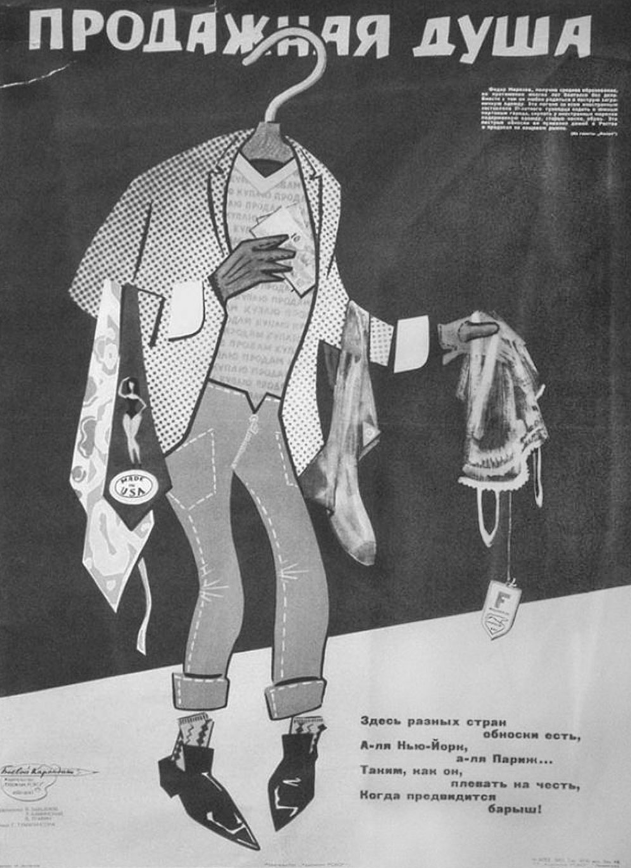
The Soviet press in the late 1950s and early 1960s began criticising stilyagi, or 'style hunters'
These were young people who copied Western fashion and culture by:
Wearing bright, tight suits
Listening to jazz and rock ’n’ roll
Officials and newspapers labelled them as:
Lazy
Wasteful
Ideologically impure
The government organised campaigns of ridicule and re-education
The state even arrested stilyagi for “hooliganism”
Films and propaganda showed stilyagi as comic villains who failed to live up to socialist ideals
Nonconformity under Brezhnev
Under Brezhnev, censorship tightened again
Brezhnev criticised the impact of Khrushchev's 'thaw' on Soviet society
He wanted to regain political stability under his concept of 'developed socialism'
Official art focused on predictable, safe subjects, such as:
Happy workers
Loyal Party members
Pride for the Revolution
Soviet achievements
Official attempts to ridicule non-conformity often failed
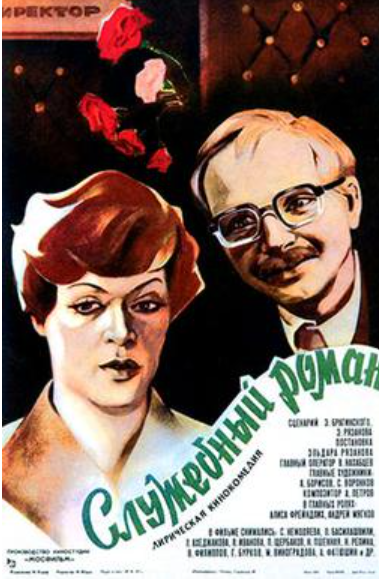
An Office Romance (1977) ridicules a fashionable young female secretary for provocative clothing
However, audiences identified with her
It became a mass hit with around 58.4 million viewers in 1978
It normalising Western-style dress and boosting demand for trendy clothes
Clashes between Soviet artists & the government to 1985
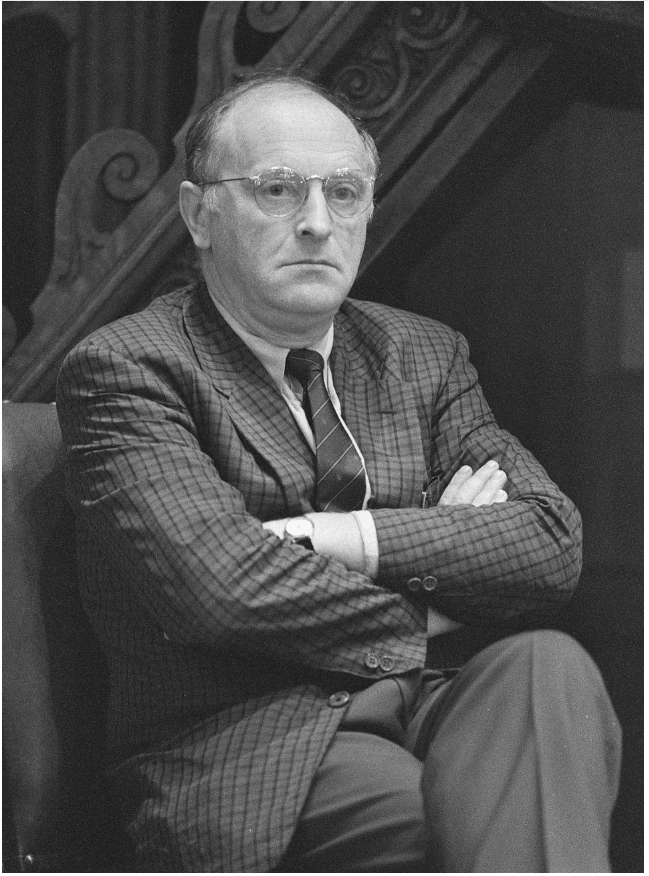
Joseph Brodsky (1964)
Brodsky was a poet who refused to join the Soviet Writers’ Union
This made his work technically illegal to publish
In 1964, he was arrested and charged with “social parasitism”
The state saw him as someone who did not contribute to society because he had no 'official job'
At his trial, Brodsky famously defended the role of the poet as a moral guide, not a servant of the state
The state punished him by sending him to the Serbsky Institute and treated as if he suffered from mental illness
Brodsky was later forced into exile in 1972
He went on to win the Nobel Prize for Literature in 1987
The Sinyavsky–Daniel Trial (September 1965)
Writers Andrei Sinyavsky and Yuli Daniel secretly wrote satirical stories
They used pseudonyms to publish their work in the West
Their works criticised the hypocrisy and spiritual emptiness of Soviet life under Khrushchev and Brezhnev
They were arrested by the KGB and accused of “anti-Soviet agitation and propaganda”
The trial was essentially a Show trial
They received five and seven years in labour camps
This shocked many in the USSR and abroad
The Moscow Conceptualists (1970s–1980s)
The Moscow Conceptualists were a loose group of artists
They used irony and parody to expose the truth about everyday Soviet life
Artists such as Ilya Kabakov and Erik Bulatov created works that looked like official propaganda
Their art was often displayed illegally in apartments or unofficial exhibitions
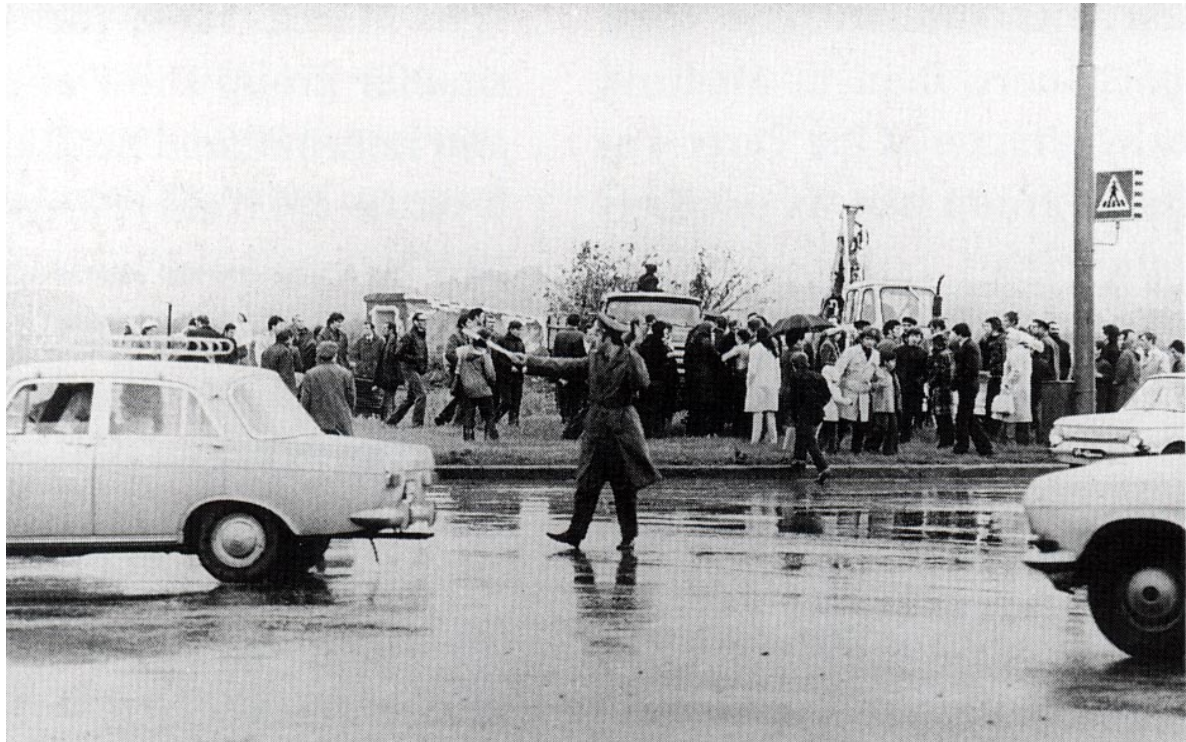
For example, the 1974 'Bulldozer Exhibition'
The name comes from the exhibit being destroyed by police using bulldozers and water hoses

Unlock more, it's free!
Join the 100,000+ Students that ❤️ Save My Exams
the (exam) results speak for themselves:

Was this revision note helpful?