The Personality Cults of Stalin, Khrushchev & Brezhnev (Edexcel A Level History): Revision Note
Exam code: 9HI0

Summary
This note will examine the importance of personality cults in the Soviet state
The cult of personality turned Soviet leaders into symbolic figures who represented the Party, the state, and the people
Stalin’s cult was the most extreme, portraying him as the "Father of Nations”
Khrushchev used his cult to present himself as Lenin’s true heir, though less successfully
Brezhnev’s cult was exaggerated and often mocked, showing the decline of the practice
Historians debate whether these cults were essential for maintaining control or whether they created cynicism and undermined trust
The Cult of Stalin
Stalin created a cult to:
Legitimise his rule and the true successor of Lenin
Create a figure that the Soviet people could trust
Blame issues on local leaders, rather than himself
How did Stalin present himself?
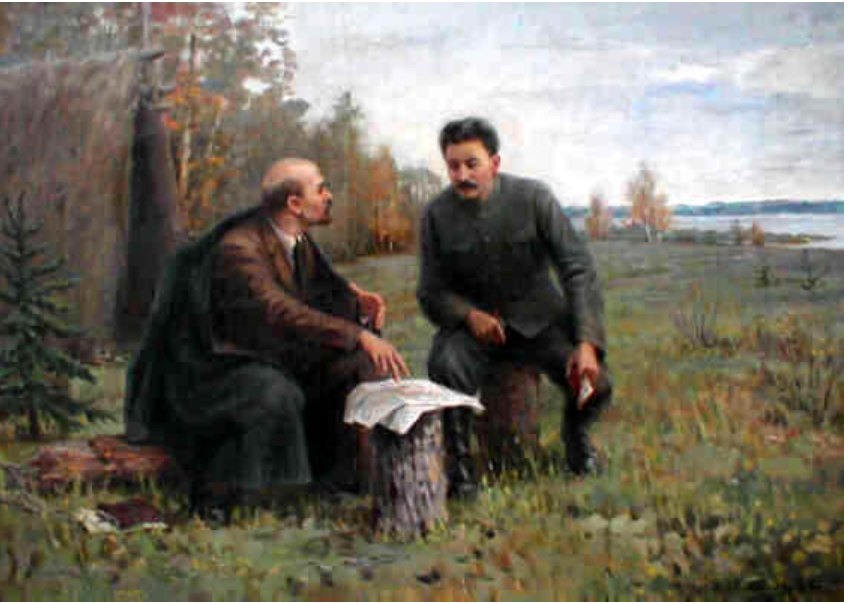
Lenin's heir
Stalin was shown as the true follower and protector of Lenin’s legacy
He created the 'myth of two leaders' which suggested that:
Lenin and Stalin were the masterminds of the Communist Revolution, the Civil War and the creation of the USSR
Stalin, not Trotsky, was Lenin's most important Party member
The Vozhd
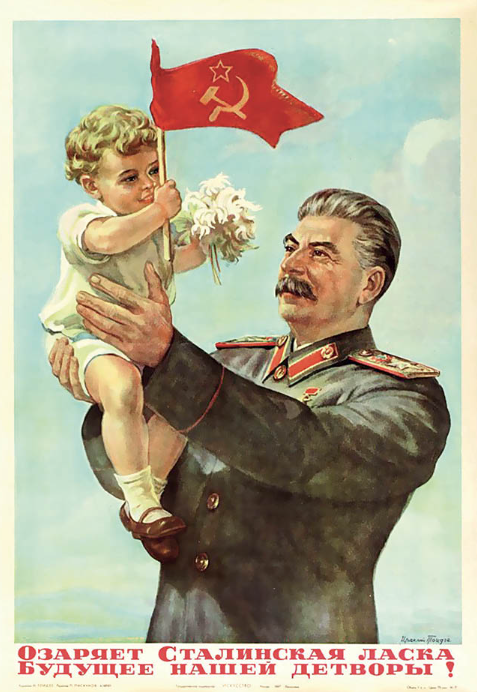
Stalin is portrayed as a wise, fatherly figure guiding the Soviet Union
The title 'Vozhd' elevated him above ordinary politics
Vozhd had no legal limits
Children learned to love Stalin as a protector who cared for every Soviet citizen
Generalissimo
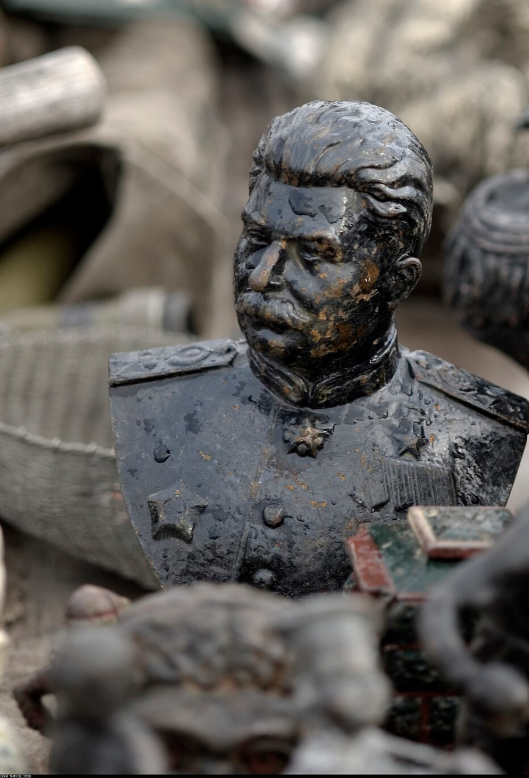
After the Second World War, Stalin was glorified as a military genius and saviour of the USSR
Photographs and statues showed him in uniform, sometimes with medals
The state created the military rank of Generalissimo and Stalin designed his own uniform
Methods
Statues, portraits, and busts in every public space
History books rewritten to exaggerate Stalin’s role
The state doctored photographs to remove other Party Members
Poems, songs, and art glorified Stalin’s wisdom
Stalin's birthday became a national celebration
Impact
Strengthened his absolute authority
Created a climate of fear where opposition seemed impossible
The Cult of Khrushchev
After Stalin’s death, Khrushchev criticised Stalin’s excesses
However, Khrushchev understood the importance of cults of personality. He:
Revived Lenin's cult by portraying Lenin as:
Omnipresent
Family-oriented
Humble
Created a cult of his own
How did Khrushchev present himself?
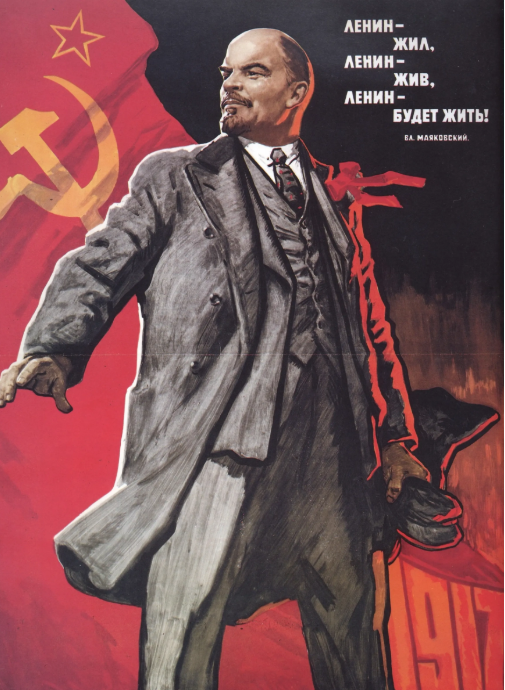
Lenin's disciple
Khrushchev presented himself as the man carrying forward Lenin’s true vision
Propaganda showed him as the leader who corrected Stalin’s 'mistakes' and returned to Leninist principles
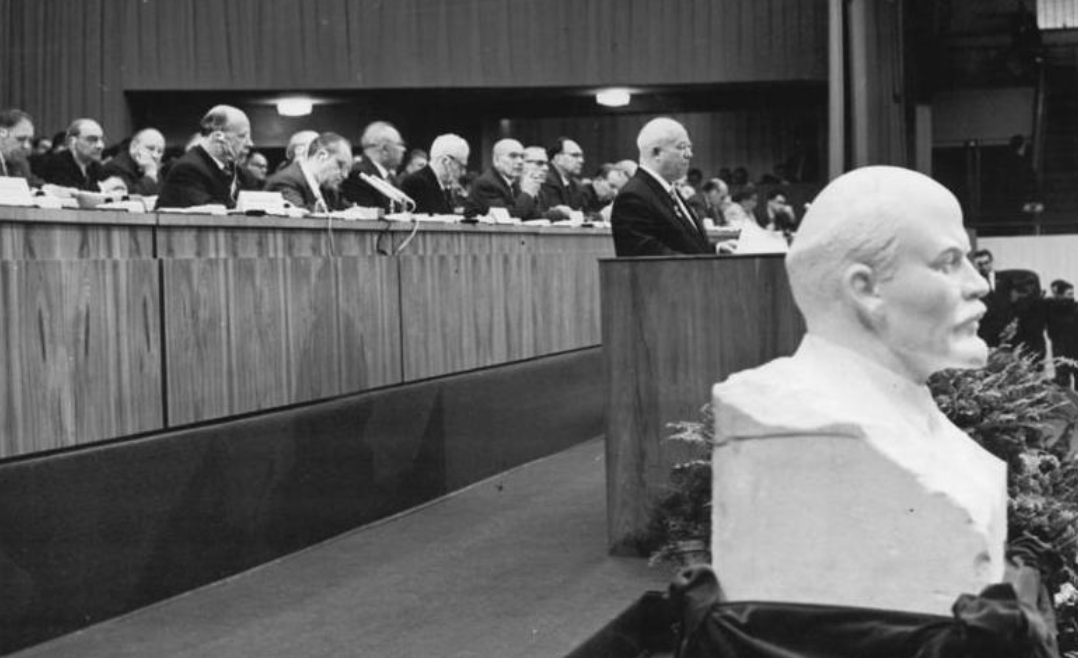
A reformer
Khrushchev’s cult highlighted him as a leader bringing socialism into a modern, scientific age
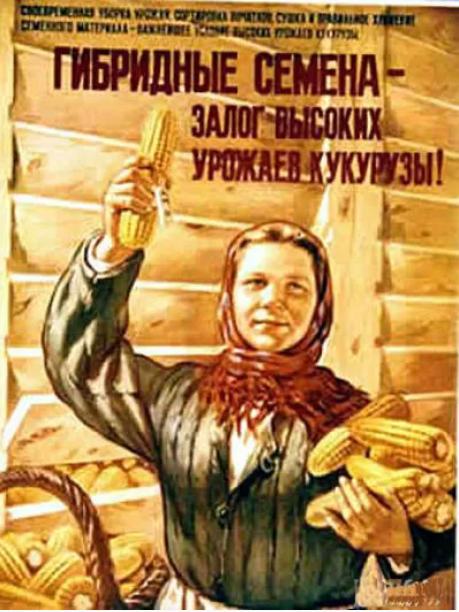
He proclaimed to be knowledgeable of agriculture
Responsible for successes in the USSR
Khrushchev associated himself with key events such as:
The space race, especially Yuri Gagarin’s 1961 flight
A respected statesman in the Cold War
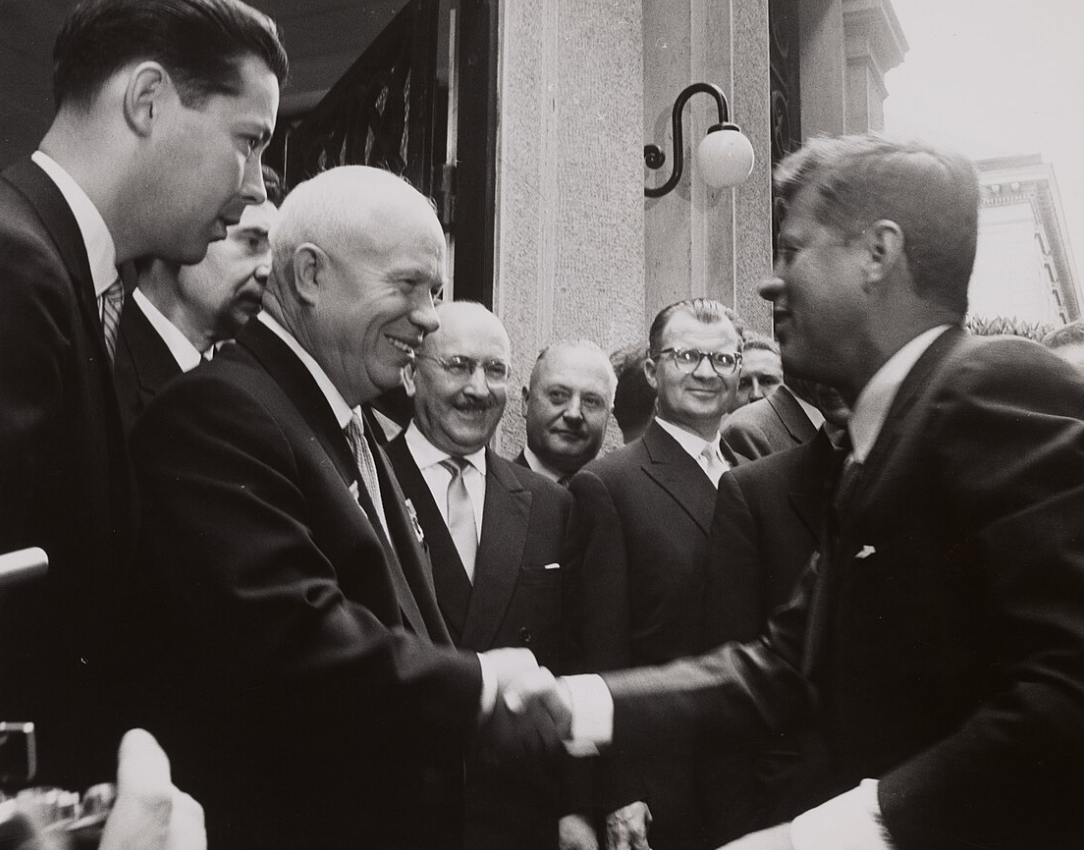
Khrushchev portrayed as a global figure, standing up to the USA while promoting peace
Images of him at summits with President Kennedy reinforced his status as a respected world leader
Methods
Media coverage highlighted his role in de-Stalinisation and the space race
He was often photographed talking directly to ordinary citizens, portraying him as a 'man of the people'
Posters and newsreels showed him visiting collective farms, factories, and new housing projects
Impacts
Less intense than Stalin’s cult of personality
However, crises undermined his image:
The Cuban Missile Crisis (1962) portrayed Khrushchev as weak in global affairs
The Virgin Lands Scheme and Corn Campaign failures showed that his expertise in agriculture was false
The Cult of Brezhnev
Brezhnev’s cult was for pragmatic reasons
All Soviet leaders created cults
Brezhnev wanted to consolidate his position and stabilise the USSR
How did Brezhnev present himself?
A Leninist
Brezhnev presented himself as continuing the work of Lenin
Brezhnev had never met Lenin
A war hero
Brezhnev emphasised his role in the Second World War, claiming credit for bravery and leadership
This appealed strongly to older generations who had lived through the war
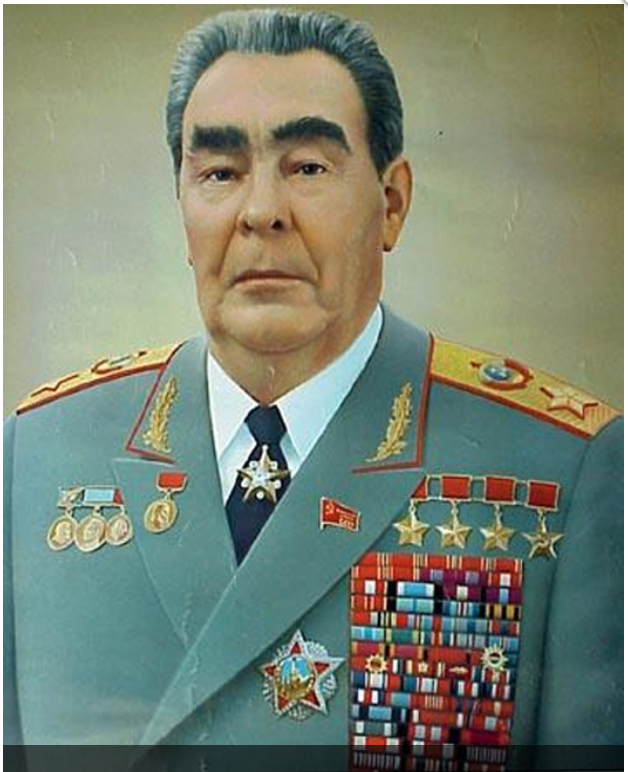
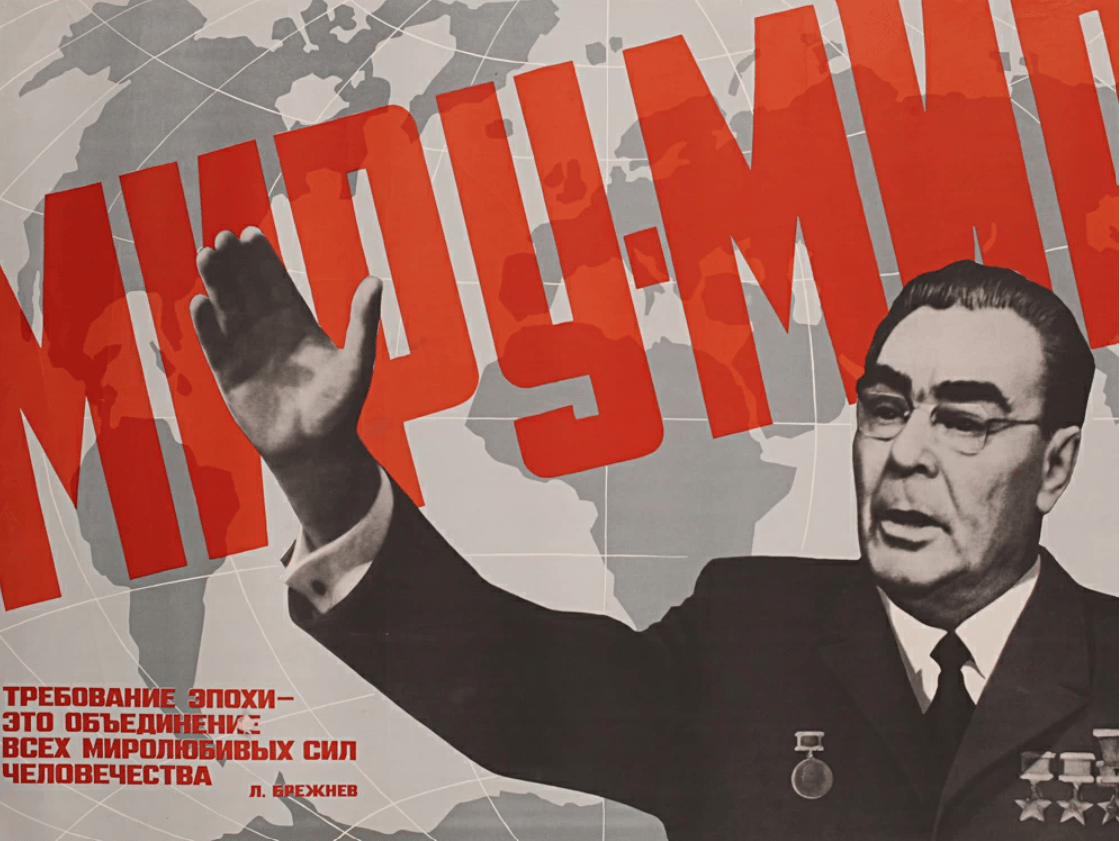
A portrait entitled 'Brezhnev Resplendent' (1980) showing Brezhnev's military medals
Advocate for world peace
Propaganda stressed Brezhnev’s foreign policy of détente with the West in the 1970s
State media highlighted his role as an international peacemaker, presenting the USSR as a responsible superpower
A man of the people
Brezhnev’s cult also tried to present him as approachable and popular
Biographies highlighted his humble beginnings as an engineer
Methods
He awarded himself over 100 medals
This includes the title of Hero of the Soviet Union four times
Public festivals, such as the 50th anniversary of the October Revolution and 20th anniversary of the Second World War
His speeches frequently mentioned Lenin
Portraits often placed Brezhnev alongside Lenin in Party publications
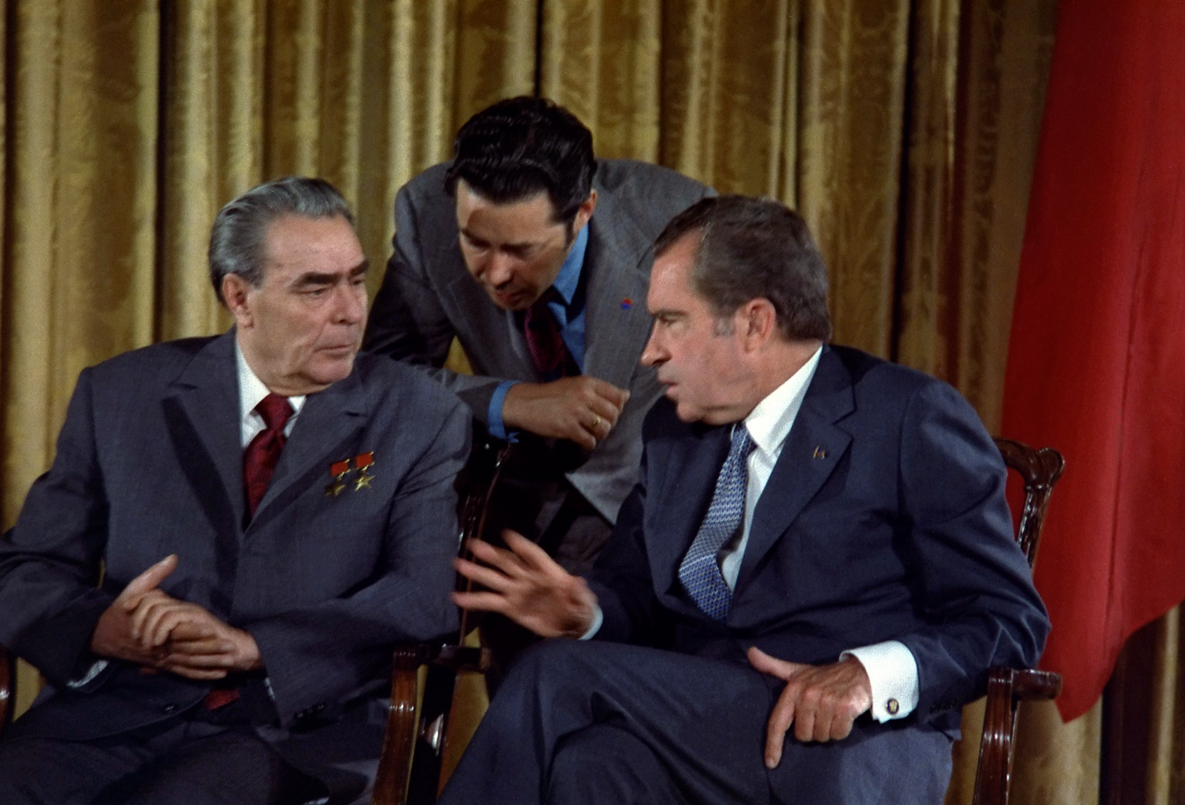
Photographs showed Brezhnev working together with US presidents and signing arms limitation treaties
He was filmed and photographed meeting workers in factories, farms, and collective celebrations
Impact
Instead of inspiring loyalty, many citizens mocked the cult privately
Veterans knew he had inflated his role in the Second World War
Young people did not believe in his statements of peace
Brezhnev lived in luxury, undermining claims he was 'one of the people'
Brezhnev's cult reflected political stagnation and the decline of the regime’s ideological appeal
How important were cults of personality to the Soviet government?
Historians disagree whether cults were central to Soviet control, or mostly symbolic
Cults were crucial to the Soviet government
Cults gave the population a simple, recognisable figure to rally behind
They helped legitimise authority in a one-party state where leaders had no popular base for power
Key historians
"It is often claimed that the deposition of the tsar did not displace the need in the Russian population for a strong, autocratic ruler... Stalin is famously quoted as having said: ‘Don’t forget that we are living in Russia, the land of the tsars … the Russian people like it when one person stands at the head of the state’, and ‘The people need a tsar, i.e. someone to revere and in whose name to live and labour’... What is significant, though, is that this perception exists, it is often reiterated, and that those in leadership roles during the Soviet era appear to have accepted and promoted the necessity for a strong, authoritarian figure to lead the country, even to the extent that many endorsed the use of terror against their own people. Propaganda that aimed to elevate and glorify this strong figure found an audience in the Party, in the bureaucracy, and also in the general population... one of the major reasons that propaganda was needed to create the image of a powerful, infallible leader who could work miracles, was because neither Lenin nor Stalin (nor, in fact, the Bolshevik Party itself) could lay claim to power based on either traditional (i.e. monarchic succession) or rational–legal grounds." - Anita Pisch, The Personality Cult of Stalin in Soviet Posters, 1929–1953: Archetypes, Inventions and Fabrications (2016)
"Idealized and heroic images of political leaders are an essential feature of authoritarian and totalitarian states... The Soviet Union and Russia are textbook examples of societies that clearly gravitated towards the formation of a personality cult. Many researchers believe that the USSR was a modified form of existence of the Russian Empire, and Russians have a historical tendency to idolize their rulers. The most vivid example of such a social practice was the personality cult of Joseph Stalin, which existed in the USSR during 1929–1956.. According to a survey conducted in March 2019, the role of Stalin in the history of their country was positively assessed by 70% of Russians, and only 19% of those surveyed negatively. Almost half (46%) of Russians noted that the crimes committed by J. Stalin were justified by “great goals and results.” The cult of Stalin not only turned out to be significantly more viable than the communist regime of the USSR, but it also continues to develop in modern Russia." - Andriy Kozytskyi, Senior Research Fellow at the Holodomor Research Institute, The cult of personality in Soviet times and now (2022)
Cults were superficial and not widely believed
Propaganda could not hide failures in living standards or governance
By the Brezhnev era, cults created cynicism rather than loyalty
Key historians
"The cult began with the celebration of his 50th birthday in December 1929. But it took off in the summer of 1933, when Stalin's image started to appear alongside that of Lenin in the press and public spaces and he was depicted as the only true disciple of the founder of the Soviet state... How effective was the cult? Without opinion polling it is hard to say. Many people remained sceptical. They came from every quarter of society. During the famine Ukrainian peasants sang: No cows, No pigs, Only Stalin on the wall" - Orlando Figes, A People’s Tragedy (1996)
"The broad categories of types of reference that had occurred in the Stalin cult were also present in that of Brezhnev. However, unlike Stalin, there could be no direct personal link with the regime founder Lenin, nor, because of de-Stalinisation, could association with Stalin be used as a mode of elevation of Brezhnev; nor could any positive reference to Khrushchev be used to bolster Brezhnev's authority. Nevertheless, an attempt was made to link him to Lenin. This took the form of reference to him as a 'Leninist', a 'leader of the Leninist type', and 'continuer of the cause of Lenin'... While the Brezhnev cult was a significant part of the regime's meta-narrative from the early 1970s, it never dominated in the way that the Stalin cult had, and it never vested charismatic authority in its principle as that of Stalin had done. While there are many reasons for this - the divergence between the presented image of Brezhnev and reality was much more readily apparent to people than it had been during Stalin's era, and Brezhnev never achieved the political dominance that Stalin had." - Graeme Gill, Symbols and Legitimacy in Soviet Politics (2011)

Unlock more, it's free!
Join the 100,000+ Students that ❤️ Save My Exams
the (exam) results speak for themselves:

Was this revision note helpful?