Economic Reforms After 1964 (Edexcel A Level History): Revision Note
Exam code: 9HI0

Summary
This note will examine the economic reforms after Khrushchev but before Gorbachev
After Khrushchev’s removal, new leaders attempted reforms to deal with slow growth and inefficiency in the Soviet economy
The most ambitious were the Kosygin reforms (1965), but these were quickly abandoned
Brezhnev prioritised stability over radical change, introducing limited reforms in both industry and agriculture
Andropov made some attempts at economic improvement, but his short leadership meant reforms had little impact
The 'Kosygin reforms', 1965
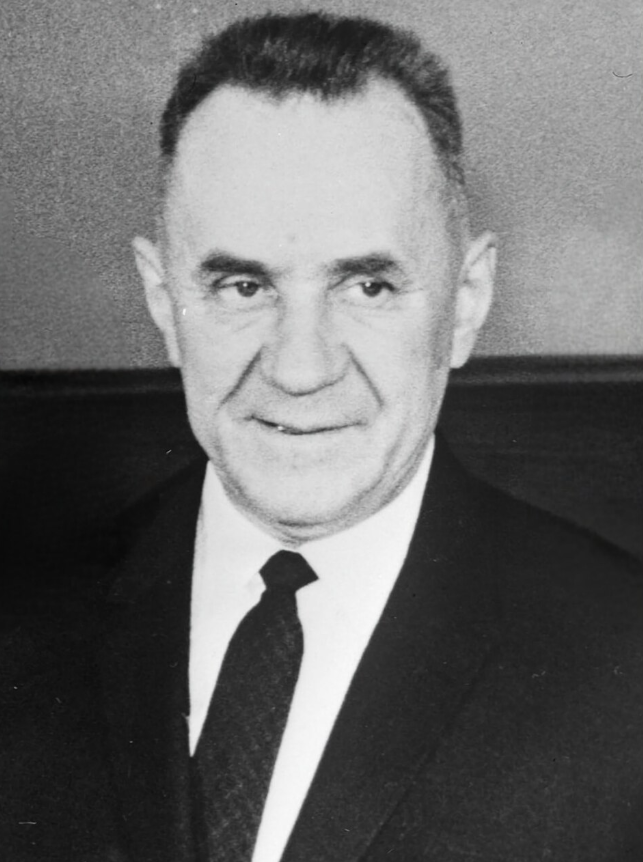
Introduced by Alexei Kosygin, the new Soviet Premier
Aimed to improve efficiency by shifting the focus from quantity of production to profitability and quality
Key reforms under Kosygin
The state cut investment to the most inefficient collective farms
The savings made were put into light industry
Managers were given more power to set targets
Wages were linked to output
Bonuses rewarded efficiency
Impact of the 'Kosygin reforms'
The reforms were abandoned within by August 1968 because:
Party officials resisted losing control
The focus on profit seemed too much like capitalism
The Prague Spring of 1968 made similar reforms to Kosgyin
The subsequent invasion made Soviet leaders wary of reforms that seemed to weaken central planning
Brezhnev's economic reforms
Military spending
Brezhnev massively increased military spending
This was driven by Cold War competition with the USA, especially over nuclear weapons
By 1970, military spending accounted for 13% of Soviet GDP
The USSR 'kept up' in the arms race
However, this limited investment in consumer goods and agriculture
Examiner Tips and Tricks
Be careful when using statistics about Soviet military spending.
The USSR was a highly secretive state, and figures on the economy, especially defence, were deliberately hidden or manipulated.
Western estimates (like those from the CIA) suggested that military spending was around 11–17% of GDP under Brezhnev, but exact figures are impossible to confirm.
'Developed socialism'
Brezhnev introduced the concept of 'developed socialism'
This argued that the USSR had already achieved a stable socialist society
Its priorities included:
Job security
Low food prices through importing grain from the West
'Developed socialism' contrasted with Khrushchev’s goal of reaching full communism by 1980
Economically, this encouraged a conservative approach, with leaders avoiding risk or reform
The 'second economy'
A widespread black market, known as the 'second economy', developed during Brezhnev’s rule
It involved:
Trading scarce goods
Providing private services
The illegal production of goods outside of state control
Without the widespread use of terror, the government could not eliminate the black market
Brezhnev tolerated the second economy because it helped ordinary citizens access goods that the command economy failed to provide
However, this also meant corruption grew
Brezhnev's agricultural reforms
Brezhnev continued investment in collective farms
By the late 1970s, agriculture received over 25% of Soviet investment
There were some improvements in production, but inefficiency remained:
Many crops rotted before reaching consumers due to poor storage and transport
Private plots continued to produce a large share of food despite taking up only a small proportion of land
By the early 1980s, the USSR was importing huge amounts of grain from the USA and Canada
Andropov's economic reforms
Andropov became General Secretary in 1982 after Brezhnev’s death
Unlike Brezhnev, Andropov admitted the economic problems in the USSR
However, he prioritised labour discipline and efficiency over structural reform
Anti-corruption campaign
Andropov launched a major anti-corruption drive to tackle widespread abuses in the Soviet economy
He targeted senior officials accused of using their positions for personal gain
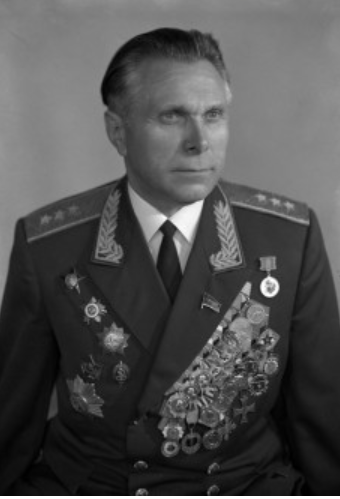
One high-profile case was the prosecution of Nikolai Shchelokov, Minister of Internal Affairs, for corruption and abuse of office
The campaign aimed to show the public that the government was serious about removing inefficiency
Anti-alcohol campaign
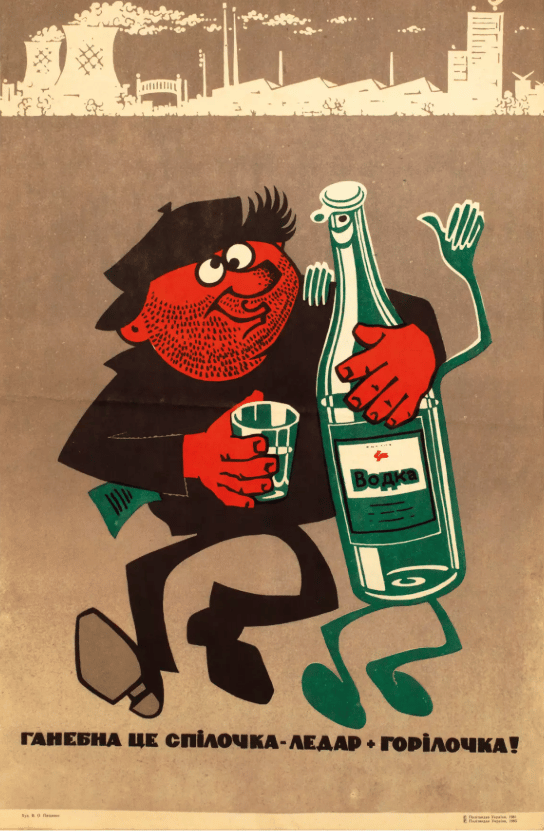
Andropov attempted to reduce the widespread problem of alcohol abuse
The issue hurt productivity and discipline in the workplace
Restrictions were placed on sales, with shorter shop hours for alcohol
There were stricter punishments for drinking at work
However, alcohol was so ingrained in Soviet social life that these measures had limited impact
Many turned to illegal home-brewing
This vodka was sometimes known as 'Andropovka'
Operation Trawl
Introduced campaigns to reduce absenteeism and alcohol abuse in the workplace
Increased monitoring of workers by the KGB
They punished those who skipped shifts or underperformed
However, Andropov was in poor health and died in 1984, so reforms had little long-term impact

Unlock more, it's free!
Join the 100,000+ Students that ❤️ Save My Exams
the (exam) results speak for themselves:

Was this revision note helpful?