Youth Groups in the USSR (Edexcel A Level History): Revision Note
Exam code: 9HI0

Summary
This note will examine why youth groups were important to Soviet politicians
Bolshevik leaders believed children were essential to securing the future of the Revolution
Youth organisations were used to shape loyal, disciplined citizens committed to Marxism
They also offered an alternative community to the family, strengthening devotion to the Party
Under Lenin and Stalin, youth groups promoted Communist values through
Education
Propaganda
Activism
Khrushchev expanded their role in reform and economic campaigns
Whereas Brezhnev used them to reinforce discipline and celebrate Party achievements
Why were youth groups important to Soviet politicians?
Soviet politicians believed that youth groups were important because children
Were essential for the success of the Revolution
Their loyalty and devotion to Marxism would result in a socialist future
Had to be educated in Marxism
To ensure the success of the Revolution and its future
Youth groups were important for propaganda as
It had the potential to create millions of loyal Soviet citizens
Would be used to instil the values of the Communist Party
Including political and social values as well as discipline, such as discouragement of smoking and drinking
Communist party leaders believed that young people would be interested in Communism due to their perceived radical nature
Youth groups offered children a second community
Which would be beneficial to the Soviet government, as children would form strong bonds and loyalty to the Party
They also hoped over time, it would help to diminish the role of the family
Bolshevik youth groups
Komsomol was established in 1918
Young people aged between 14 and 28 years old were encouraged to join
The Young Pioneers was established in 1922
Children aged between 10 and 25 years old were encouraged to join
Children were taught to build Communism and be its defender
Both the Young Pioneers and the Komsomol
Wore a uniform
The Young Pioneers wore a white shirt with a red neckerchief with the organisation and rank badges on the sleeve of the shirt
The Komsomol wore civilian clothes with a Komsomol pin
Participated in activities
Such as hiking and camping
Had talks with local businesses and farms
Including factory workers and soldiers from the Red Army
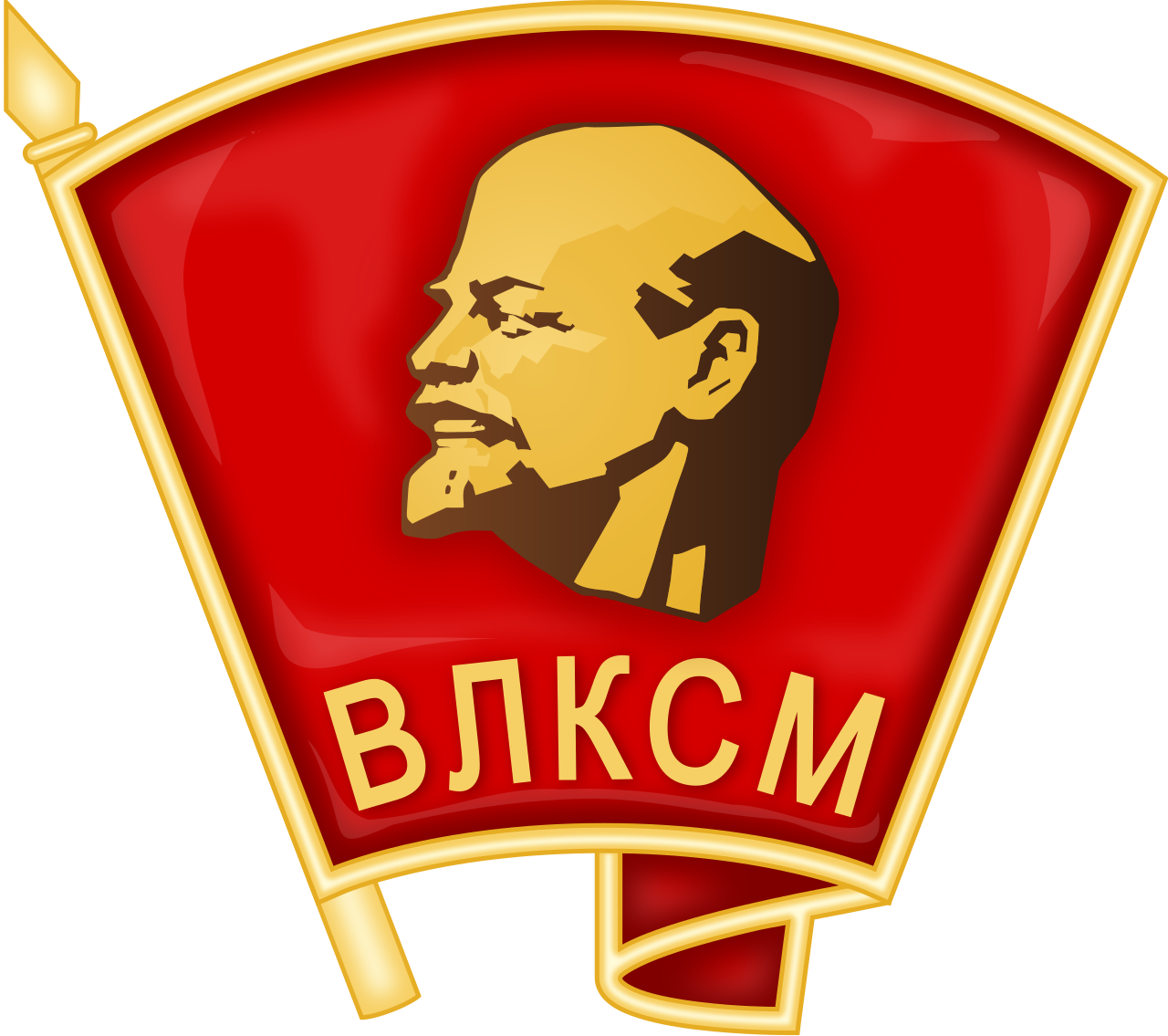
The Komsomol had more of an active role in the Party, as they sometimes
Handed out posters and pamphlets
Sent to markets to monitor prices
Participated in anti-religious campaigns
In 1925, the Komsomolskaya Pravda was created
This was a magazine for the youth of the Soviet Union
It published articles promoting
Communist ideology
Government policies
In the 1930s, Stalin encouraged members of the Komsomol to spy on their parents
Khrushchev increasingly involved the Komsomol in Party activities
Komsomol leaders helped with the recruitment for the Virgin Lands Scheme
Khrushchev also wanted them to help with holding factory managers and Party officials accountable
They were to remind them of the Communist vision
However, Brezhnev's vision for the Komsomol was different, as he believed they should
Celebrate the achievements of the Party
Monitor the discipline and obedience of the young people of the Soviet Union
To ensure the young respected the government and the values of hard work
Brezhnev saw the leadership of the Komsomol as potentially dangerous and changed their focus
How successful were Bolshevik youth groups?
Historians debate whether Bolshevik youth organisations successfully created loyal, committed young Communists, or whether many young people resisted Communist expectations and rejected official youth culture
Youth groups were successful
The Young Pioneers and Komsomol helped politicise children from an early age
Youth organisations provided
Structure
Community
Clear ideological education
The Young Pioneers were used to model ideal socialist behaviour
Central control over youth work tightened after the early 1920s
Bolshevik youth groups replaced alternative organisations such as the Scouts
Leaders saw children as essential to building the socialist future
Key historian
“Children might be unproductive at present; they were, however, essential to building the future. From the first, therefore, the leaders of the new regime targeted them not just as the recipients of nurture, but as an audience for political ideas. The first years of Soviet power were an era of relative laissez-faire: during the Civil War, the main task of the new leaders was to create a base of popular support to begin with. Much political activity went on in schools and in private children’s clubs, but often of a disorganised, carnivalesque kind. In 1922, however, began a period of more intensive regulation, as marked by the creation of the ‘Young Pioneer’ organisation that year, a branch of the Komsomol (Communist Youth Movement) for children aged 10 to 15, followed by the banning of the Scout organisation. In its early years, the Pioneers (known from 1924 also as ‘Young Leninists’) was an eminently serious political organisation, and its members were represented as fiery young activists and models for what were officially known as ‘unorganised children’. The following years were to see tightening central control in every other area of work with children as well, from literature and arts to education.” - Catriona Kelly, Children’s World: Growing Up in Russia, 1890–1991, (2007)
Youth groups were not fully successful
Many young people resisted Communist moral expectations
Komsomol rules on behaviour were often mocked or ignored
Some youths preferred alternative publications, cultures and identities
Young people created unofficial youth cultures, challenging Bolshevik norms
Resistance showed the limits of Party control over youth behaviour
The Komsomol struggled to appeal to all young people, especially workers and students
Key historian
“The peasant youth in the villages and collective farms appears to be another category in which Communist indoctrination is at a relatively low level. Komsomol enrollment in rural areas has always been significantly lower than in the urban industrial centers; and despite constant efforts to improve the ratio, the villages remain a weak link in the chain. It is in the countryside that cross-loyalties exert their most significant influence. The persistence among the older generation of antipathy to collectivization, memories of past suffering and present hardships, and strongly-ingrained religious attitudes leave an impress on the younger generation which Communist propaganda in the schools cannot wholly counteract or eradicate. Indeed, the relative weakness of the Communist apparatus in the villages contributes to the strength of family influences… New converts are won for Komsomol and Party, but how genuinely and profoundly fundamental attitudes shift is by no means clear.” - Merle Fainsod, The Komsomols - A Study of Youth Under Dictatorship, (1951)

Unlock more, it's free!
Join the 100,000+ Students that ❤️ Save My Exams
the (exam) results speak for themselves:

Was this revision note helpful?
