Case Study: The 1979 Election (Edexcel A Level Politics): Revision Note
Exam code: 9PL0

National voting behaviour in the 1979 general election
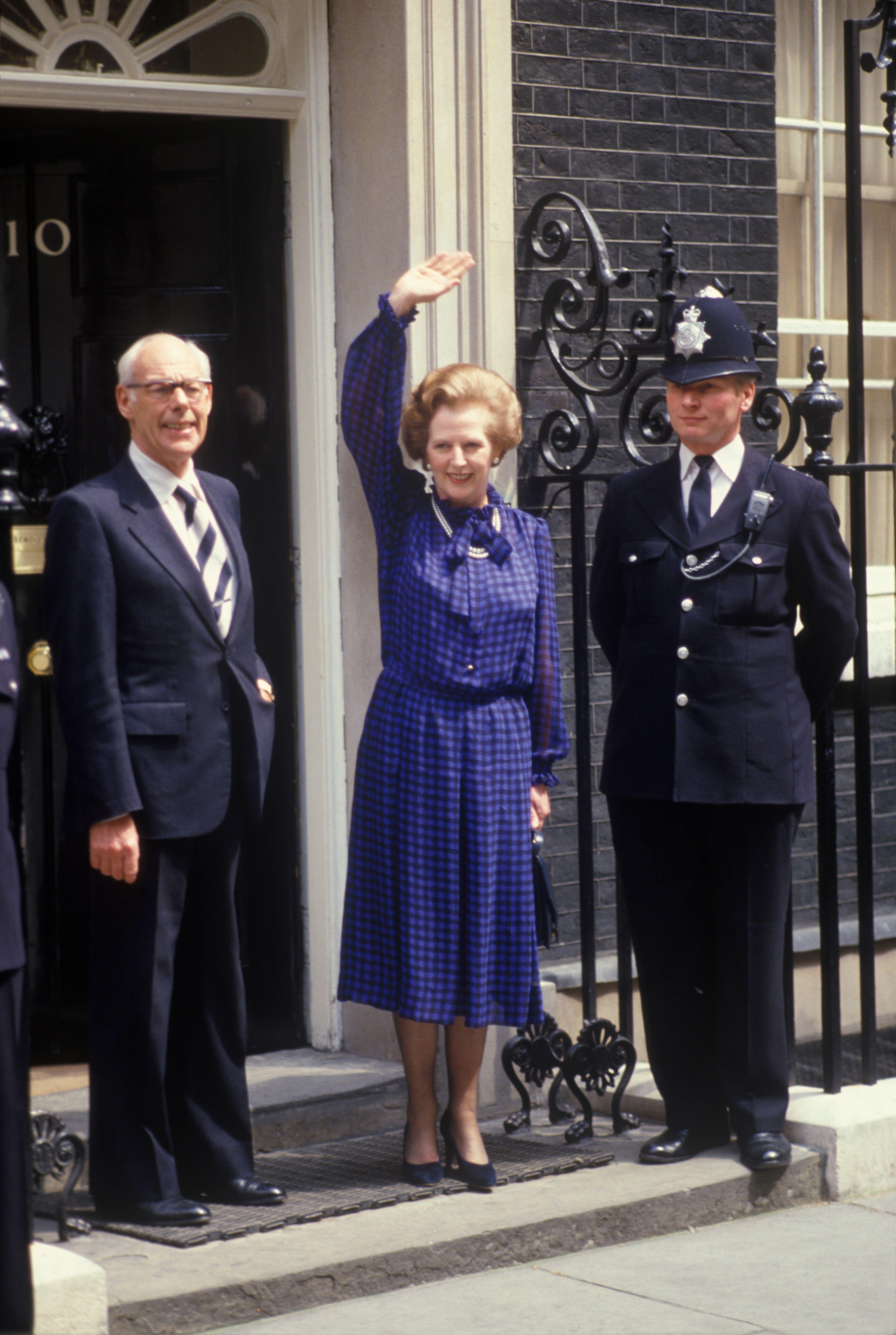
Context
The 1979 election took place in the context of the severe unpopularity of the Labour government under James Callaghan following the Winter of Discontent
Widespread public sector strikes, refuse collection stoppages and industrial disruption undermined confidence in Labour
Unemployment had reached 1.5 million, inflation was high and the government appeared unable to control powerful trade unions
Labour’s support fell across all social groups, with many traditional working-class voters switching to the Conservatives or abstaining
Election results
Party | Conservative | Labour | Liberal |
|---|---|---|---|
Seats | 339 | 269 | 11 |
Vote share | 44% | 37% | 14% |
Voting patterns
The Conservatives made gains among skilled and semi-skilled workers (C1 and C2 voters), signalling early signs of class dealignment
Turnout was high at 76%, reflecting the sense of national crisis and public desire for change
The FPTP system amplified the swing from Labour to Conservative, producing a decisive majority for the Conservatives
Factors affecting the 1979 general election outcome
Economic problems and Labour’s governing record
High inflation, rising unemployment and long-term economic stagnation reduced trust in Labour’s competence
The government appeared unable to control trade union power, especially during the Winter of Discontent
Leadership perceptions
James Callaghan was personally more popular than the Labour Party, but his government was seen as tired and ineffective
Callaghan’s relaxed attitude to the crisis, captured in the famous “Crisis? What crisis?” headline, reinforced the impression that Labour was out of touch
Conservative campaign strategy
Margaret Thatcher campaigned on restoring economic discipline, reducing inflation and curbing union power
The highly effective slogan “Labour Isn’t Working” featured long queues of unemployed people, symbolising economic decline
The Conservatives offered a clear alternative and a message of renewal after years of perceived decline
Media influence
Many national newspapers backed the Conservatives
They emphasised Labour’s internal divisions and the chaos caused by industrial disputes
Media criticism of Labour reinforced public perceptions of disorder and decline
Party image and cohesion
Labour appeared divided and poorly disciplined
The Conservatives projected unity and strong leadership under Thatcher
The impact of the 1979 general election on parties and government
The 1979 general election marked the end of post-war consensus politics
This had been based on mixed-economy principles, strong welfare provision and cooperative relations with trade unions
It launched the Thatcher era, characterised by
Reductions in trade union power (eventually achieved through the 1980s trade union reforms)
Monetarist economic policies aimed at controlling inflation
Privatisation and a shift toward free-market principles
The Conservative Party became aligned with neoliberal economic ideas, reshaping the political landscape for decades
Labour entered a long period of introspection and division
The party struggled to solve internal divisions between the traditional left and the emerging centre-left
These divisions contributed to further defeats in 1983 and 1987 and, eventually, to New Labour
In government, the 1979 result strengthened executive authority
The large Conservative majority enabled Thatcher to push through radical economic change
It shifted the balance of power away from trade unions and towards the state, permanently altering government-union relations

Unlock more, it's free!
Join the 100,000+ Students that ❤️ Save My Exams
the (exam) results speak for themselves:

Was this revision note helpful?
