Case Study: The 1997 Election (Edexcel A Level Politics): Revision Note
Exam code: 9PL0

National voting behaviour in the 1997 general election
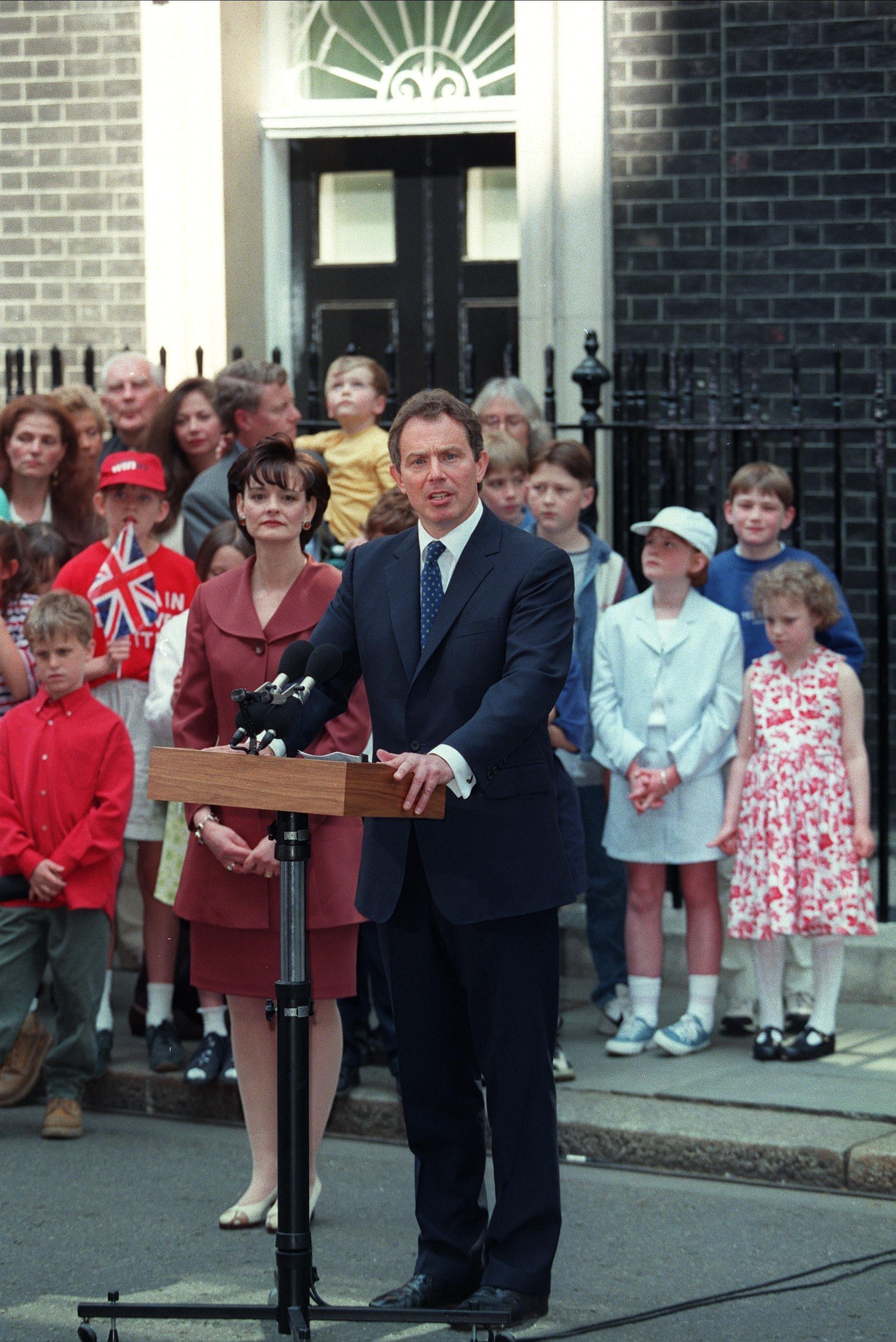
Context
The 1997 election took place after 18 years of Conservative rule
The party had become associated with economic mismanagement, internal division and scandals
Black Wednesday (1992) severely damaged the Conservatives’ reputation for economic competence
Public services, particularly the NHS and schools, were widely perceived as underperforming under Conservative leadership
Election results
Party | Labour | Conservative | Liberal Democrat |
|---|---|---|---|
Seats | 418 | 165 | 46 |
Vote share | 43% | 31% | 17% |
Voting patterns
Voting behaviour showed clear realignment
Younger, more educated and middle-class voters increasingly shifted towards New Labour, reflecting a breakdown of traditional class-based voting patterns
Labour made significant gains in the south of England and in previously safe Conservative blue wall seats
FPTP amplified Labour’s dominance, producing a large winner’s bonus and enabling their landslide majority
Factors affecting the 1997 general election outcome
Voter fatigue with the Conservatives
After nearly two decades in office, the Conservatives appeared divided and exhausted
Sleaze scandals, including the cash-for-questions affair, undermined public trust
Prime Minister John Major struggled to control competing factions within his party, especially over Europe
Economic context
Although the economy was recovering by the mid-1990s, voters still associated the Conservatives with Black Wednesday and instability
Labour was increasingly trusted on public services, particularly education and health
Labour’s modernised image under Tony Blair
Blair rebranded the party as New Labour, abandoning unpopular policies such as Clause IV and embracing a more centrist agenda
Labour emphasised public service modernisation, investment in the NHS, devolution for Scotland and Wales, and the slogan education, education, education
Their optimistic campaign slogan Things Can Only Get Better captured the national mood for change
Conservative campaign weaknesses
Conservatives attempted to emphasise economic recovery, but the message lacked credibility with voters
Major’s leadership was widely viewed as weak, while Labour projected unity and energy
Media influence
Most national newspapers - including The Sun and The Times - endorsed Blair
The Sun’s high-profile switch from supporting the Conservatives to supporting Labour symbolised a broader media realignment
Positive coverage helped present Blair as a modern, trustworthy leader
The impact of the 1997 general election on parties and government
The election resulted in the largest Labour majority in history, giving Blair a powerful mandate for constitutional reform
The election marked the beginning of a new era in British politics, with New Labour dominating the political agenda for more than a decade
Key reforms under New Labour
Devolution to Scotland, Wales and Northern Ireland
The introduction of the National Minimum Wage
Major investment in the NHS and education
Freedom of Information legislation
Impact on the Conservatives
The party faced its worst parliamentary defeat since 1906:
Their reduced seat share limited their influence in Parliament and triggered debates about modernisation
Internal divisions continued, particularly over Europe, delaying party renewal
The party did not return to government until 2010
Voting behaviour patterns shifted
Labour’s success among middle-class, younger and professional voters showed a move away from strict class-based divisions
1997 is often cited as evidence of partisan dealignment, as long-term Conservative voters switched allegiances in large numbers

Unlock more, it's free!
Join the 100,000+ Students that ❤️ Save My Exams
the (exam) results speak for themselves:

Was this revision note helpful?