Liberal Thinkers & Their Ideas (Edexcel A Level Politics): Revision Note
Exam code: 9PL0

John Locke
John Locke's ideas underpin both classical liberalism and modern democratic constitutional systems
He argued that all individuals possess natural rights, including the rights to life, liberty and property, simply because they are rational human beings
He believed these rights existed before government and must therefore be protected rather than granted by the state
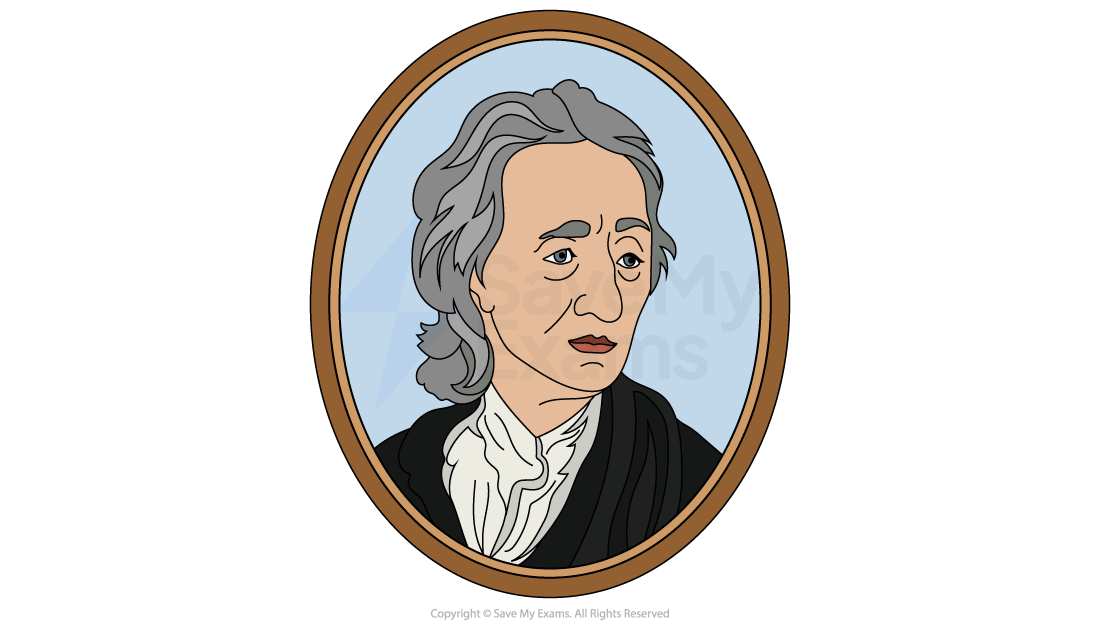
Locke developed the idea of a social contract, in which government authority is legitimate only if it is based on the consent of the governed
Citizens give consent in exchange for the protection of their natural rights, and they retain the right to withdraw this consent and overthrow the government if it fails in this duty
Locke also supported limited government
He insisted that power must be divided through a separation of powers to prevent tyranny
He argued that the rule of law is essential to ensure that even rulers are subject to legal constraints
Mary Wollstonecraft
Mary Wollstonecraft argued that women are rational individuals and therefore entitled to the same natural rights as men
True liberty requires gender equality, and that women should have equal access to education, employment and political participation to allow them to develop their abilities and fulfil their potential
Wollstonecraft criticised social norms and patriarchal structures that confined women to domestic roles and denied them intellectual and economic independence
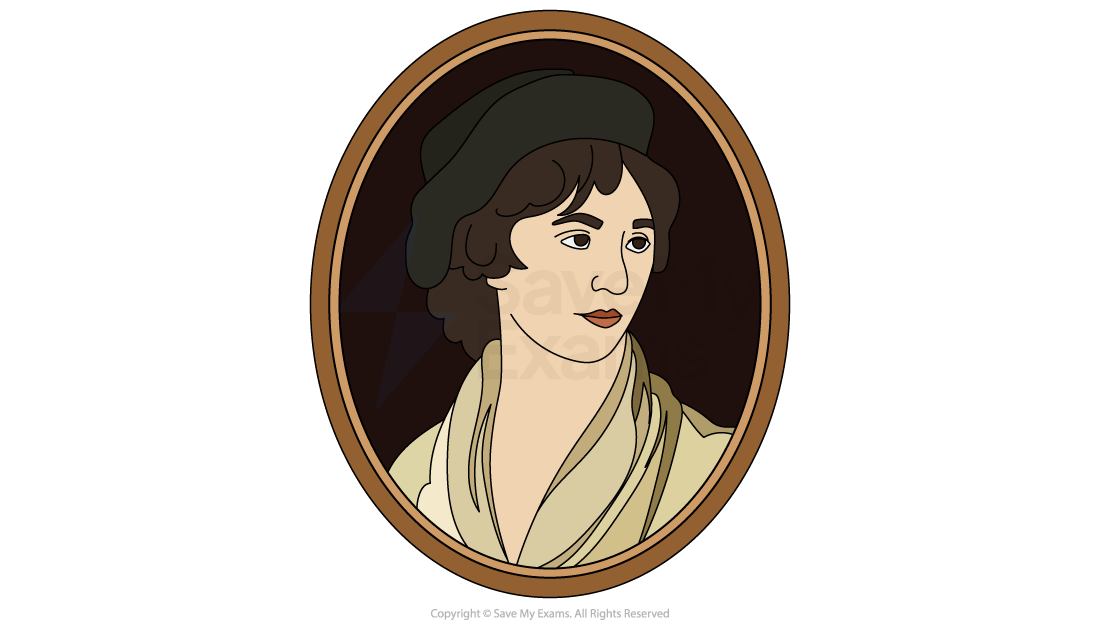
Mary argued that both legal and social reforms were needed to remove barriers preventing women’s full participation in society
Her work laid the foundations for modern feminist liberalism and strongly reinforced liberal principles of formal equality, rationalism and individual freedom
John Stuart Mill
John Stuart Mill is best known for the harm principle
This states that individuals should be free to act however they choose unless their actions cause harm to others
Mill therefore defended individual liberty, arguing that personal freedom is essential for human progress and self-development
He believed that allowing individuals to experiment with different ways of living creates a more dynamic and successful society

Mill also strongly supported tolerance and freedom of expression, claiming that open debate is necessary for rational decision-making
Even unpopular or controversial opinions should be protected, as they help challenge assumptions and refine truth through discussion
Mill’s ideas bridge classical and modern liberalism, inspiring both negative liberty and early arguments for gender equality.
John Rawls
John Rawls developed a modern interpretation of liberalism through his influential theory of justice

He argued that a just society must guarantee equal basic liberties for all citizens
He called this the greatest equal liberty principle
Rawls also proposed the difference principle
Social and economic inequalities are only acceptable if they benefit the most disadvantaged members of society
Rawls used the veil of ignorance as a thought experiment to demonstrate fairness
He argued that if individuals designed a political system without knowing their future position in society, they would choose one that distributes rights and opportunities equally
Rawls believed that rational people would support limited redistribution and welfare measures to ensure equality of opportunity, making his work central to modern liberalism
Betty Friedan
Betty Friedan argued that women needed freedom from the social constraints created by patriarchal expectations
These social constraints confined them to domestic roles and limited their personal development
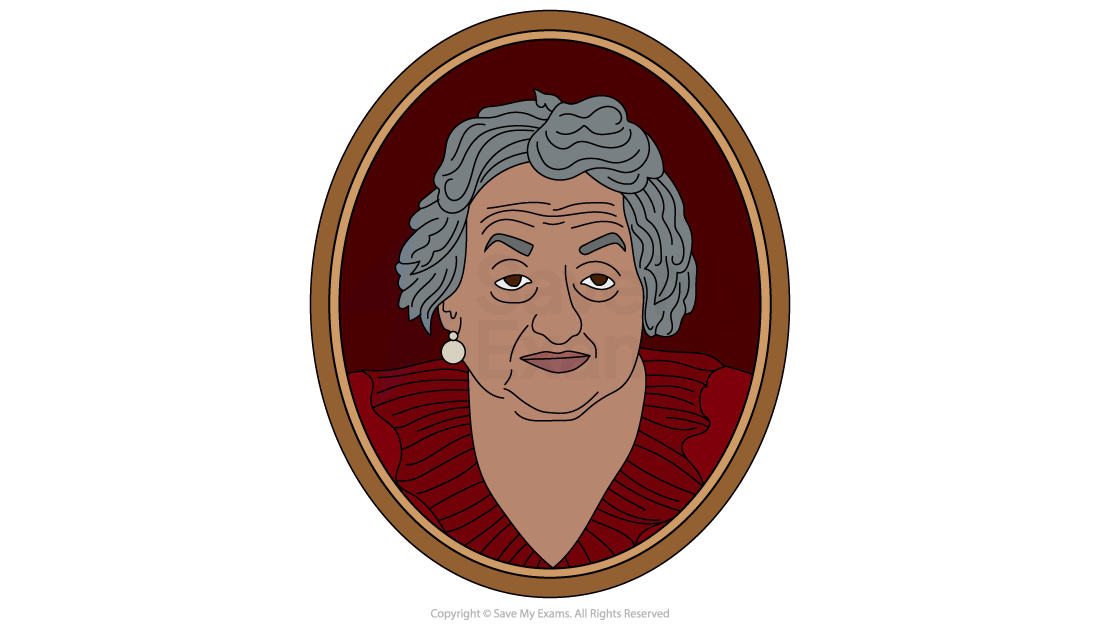
She believed many women experienced what she called the problem that has no name
By this she meant a deep dissatisfaction caused by society’s assumption that their fulfilment should come solely from marriage and childcare
Friedan argued that genuine freedom for women requires both formal legal equality and state-supported opportunities
This includes access to childcare, education and equal employment rights
She believed that the state should help remove structural barriers preventing women from achieving autonomy and economic independence
Her work helped shape modern liberal arguments for positive liberty, social justice and an enabling state

Unlock more, it's free!
Join the 100,000+ Students that ❤️ Save My Exams
the (exam) results speak for themselves:

Was this revision note helpful?
