Constitutional Change From 1997 - 2010 (Labour) (Edexcel A Level Politics): Revision Note
Exam code: 9PL0

Constitutional change under Labour 1997-2010
The uncodified and unentrenched nature of the UK constitution means that it is highly flexible and capable of evolving over time
Since 1997, successive governments have introduced significant constitutional reforms, both expanding and, in some cases, rolling back earlier developments
1. House of Lords Act (1999)
What it did
Removed all but 92 of the House of Lords' hereditary peers
Introduced a much larger appointed element of life peers
Why it was introduced
To modernise the House of Lords
To increase its legitimacy by adding expertise rather than inherited membership
Impact
The House of Lords became more politically balanced
It also became more willing to challenge the House of Commons, although the Commons remains supreme under the Parliament Acts
Problems
The House of Lords remains unelected
Most notably, 92 hereditary peers and 26 Lords Spiritual remain
In 2024, Conservative MP and former minister Gavin Williamson suggested that all Lords Spiritual should be removed from the House of Lords
The legitimacy of the House of Lords continues to be questioned due to its unelected nature
Case Study
The House of Lords and the Rwanda Bill
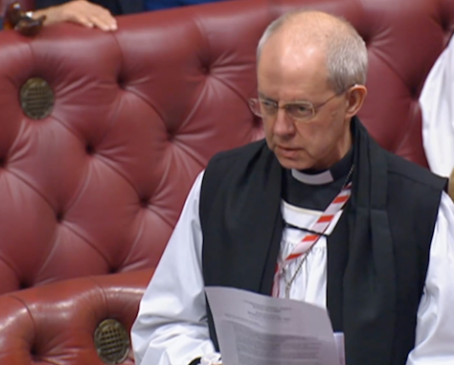
In 2024, the House of Lords raised significant objections to the Rwanda Bill, particularly over whether Rwanda could be considered a ‘safe’ country for people awaiting asylum decisions
Many peers argued that the policy raised concerns about human rights and international law
The impact of the House of Lords
The Lords used its powers to delay and amend the legislation, forcing the government to reconsider parts of the Bill and justify its policy more clearly
Although the House of Commons ultimately had the final say, the Lords acted as an effective scrutinising chamber
2. Northern Ireland devolution: Good Friday Agreement (1998)
What it did
Created a power-sharing Assembly and Executive in Northern Ireland
Why it was introduced
Northern Ireland had experienced decades of conflict known as The Troubles
The Agreement aimed to bring an end to violence through inclusive, power-sharing government
Unionist parties such as the DUP and nationalist parties such as Sinn Féin were required to participate for a government to be formed
Impact
Northern Ireland saw a return to local governance, supported by a popular referendum approving the Agreement
Problems
There have been repeated suspensions of the Northern Ireland Assembly
These include suspensions from 2017–2020 over the Renewable Heat Incentive scandal and 2022–2024 over post-Brexit arrangements
During suspensions, Northern Ireland is once again governed directly from Westminster
3. Welsh devolution: Government of Wales Act (1998)
What it did
Created the Welsh Assembly with secondary legislative powers

Why it was introduced
There was demand for greater regional decision-making in Wales
It also followed the decision to grant devolution to Scotland
Impact
The Welsh Assembly introduced distinctive policies, such as removing school league tables and scrapping SATs for primary school pupils
Problems
Welsh devolution created asymmetrical devolution, as Wales and Scotland were granted different powers
Wales initially lacked primary legislative powers
Turnout in the referendum was only around 50%, and of those voters, only just over half supported the creation of the Assembly
3. Scottish devolution: Scotland Act (1998)
What it did
Created the Scottish Parliament at Holyrood
Granted primary legislative powers and limited tax-varying powers

Why it was introduced
Recognised Scotland’s distinct political identity
Reflected dissatisfaction with long periods of Conservative rule from Westminster, despite limited Conservative support in Scotland
Impact
Significant policy divergence from the rest of the UK
Examples include banning smoking, banning smacking, and abolishing tuition fees for Scottish students
The success of some Scottish policies, such as the smoking ban, later influenced UK-wide legislation
Problems
The West Lothian Question, as Scottish MPs at Westminster continued to vote on England-only matters
Rather than reducing support for independence, devolution arguably strengthened it, contributing to the 2014 independence referendum
4. Human Rights Act (1998)
What it did
Incorporated the European Convention on Human Rights (from the Council of Europe, not the EU) into UK law
Why it was introduced
Allowed individuals to enforce their rights in UK courts rather than taking cases to the European Court of Human Rights in Strasbourg
Impact
UK courts can issue declarations of incompatibility, formally stating that legislation conflicts with human rights
Increased domestic protection of individual rights
Problems
As an Act of Parliament, the Human Rights Act can be repealed due to parliamentary sovereignty
Since 2015, the Conservative Party has proposed replacing it with a British Bill of Rights
It has not prevented human rights abuses, for example:
The Terrorism Act 2006, which allowed 28-day detention without charge
A parliamentary committee found the Rwanda Bill (2024) to be incompatible with human rights obligations
5. Constitutional Reform Act (2005)
What it did
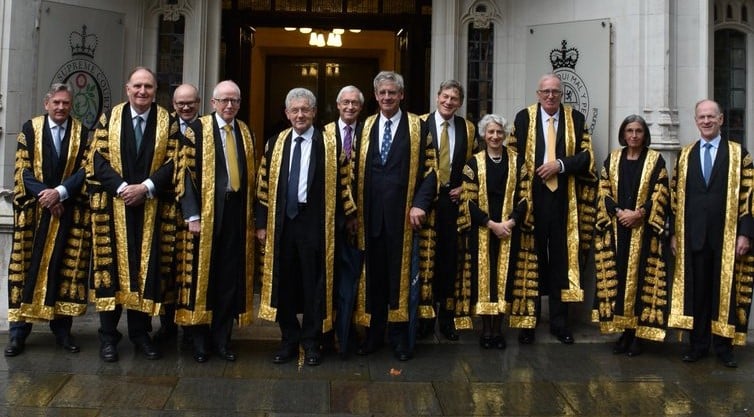
Created the UK Supreme Court, replacing the Law Lords in the House of Lords
Why it was introduced
To strengthen separation of powers
To increase judicial independence
Impact
Clearer separation between the judiciary and legislature
The Supreme Court became the highest appellate court in the UK
The Court has ruled against the government in key cases, including Miller v Brexit Secretary (2017) and Miller v Prime Minister (2019)
Problems
Parliamentary sovereignty means Parliament can legislate to override judicial rulings
The government retains influence over judicial appointments, meaning separation is not complete
Case Study
Miller v Prime Minister (2019)
What happened?
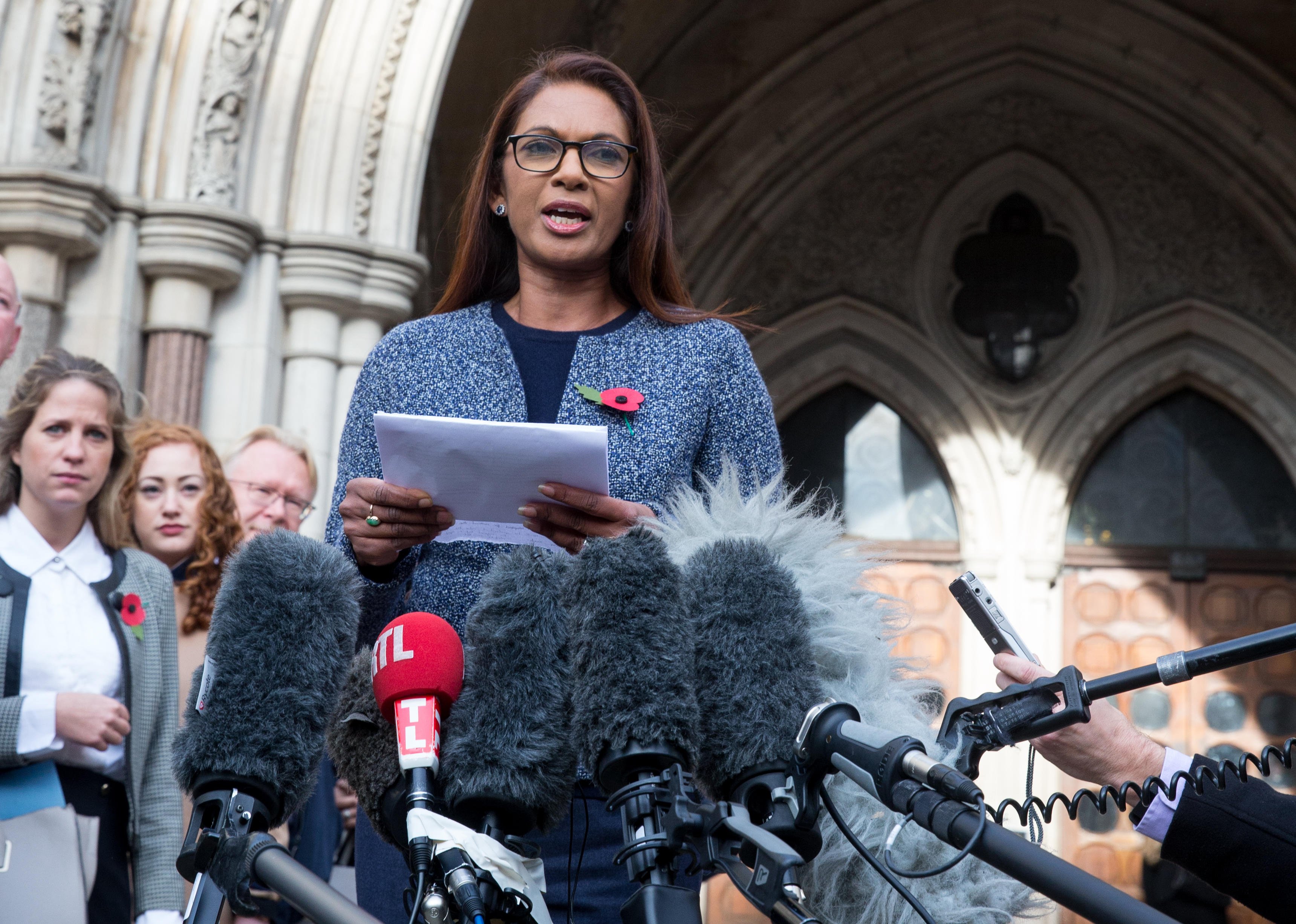
In 2019, the Supreme Court ruled in Miller v Prime Minister that Prime Minister Boris Johnson’s decision to prorogue Parliament was unlawful
Parliament had been suspended for five weeks during the Brexit process, limiting MPs’ ability to scrutinise the government
The Court judged that prorogation was unlawful because it prevented Parliament from carrying out its constitutional role without reasonable justification
As a result, Parliament was immediately recalled
Constitutional significance
This case was constitutionally significant because it showed that:
The courts can review the use of executive power, even when it involves royal prerogative
Parliamentary sovereignty must be protected from executive overreach
The Supreme Court acts as a constitutional safeguard, despite the UK not having a codified constitution

Unlock more, it's free!
Join the 100,000+ Students that ❤️ Save My Exams
the (exam) results speak for themselves:

Was this revision note helpful?
