Devolved Bodies in the UK (Edexcel A Level Politics): Revision Note
Exam code: 9PL0

Devolved bodies in the UK
'Devolution' refers to the transfer of power from central government to regional or national bodies
Under New Labour, the UK experienced a significant expansion of devolution
This involved the creation of devolved institutions in Scotland and Wales, and the re-establishment of devolved government in Northern Ireland
Devolution in England
Devolution in England has taken a different form from the devolved settlements in Scotland, Wales and Northern Ireland
Powers
From 2001 onwards, referendums and legislation created elected mayors in cities and regions across England
These mayors control areas such as transport, housing planning funds, skills funding and some health and social care budgets
Case Study
Election of a Manchester Mayor
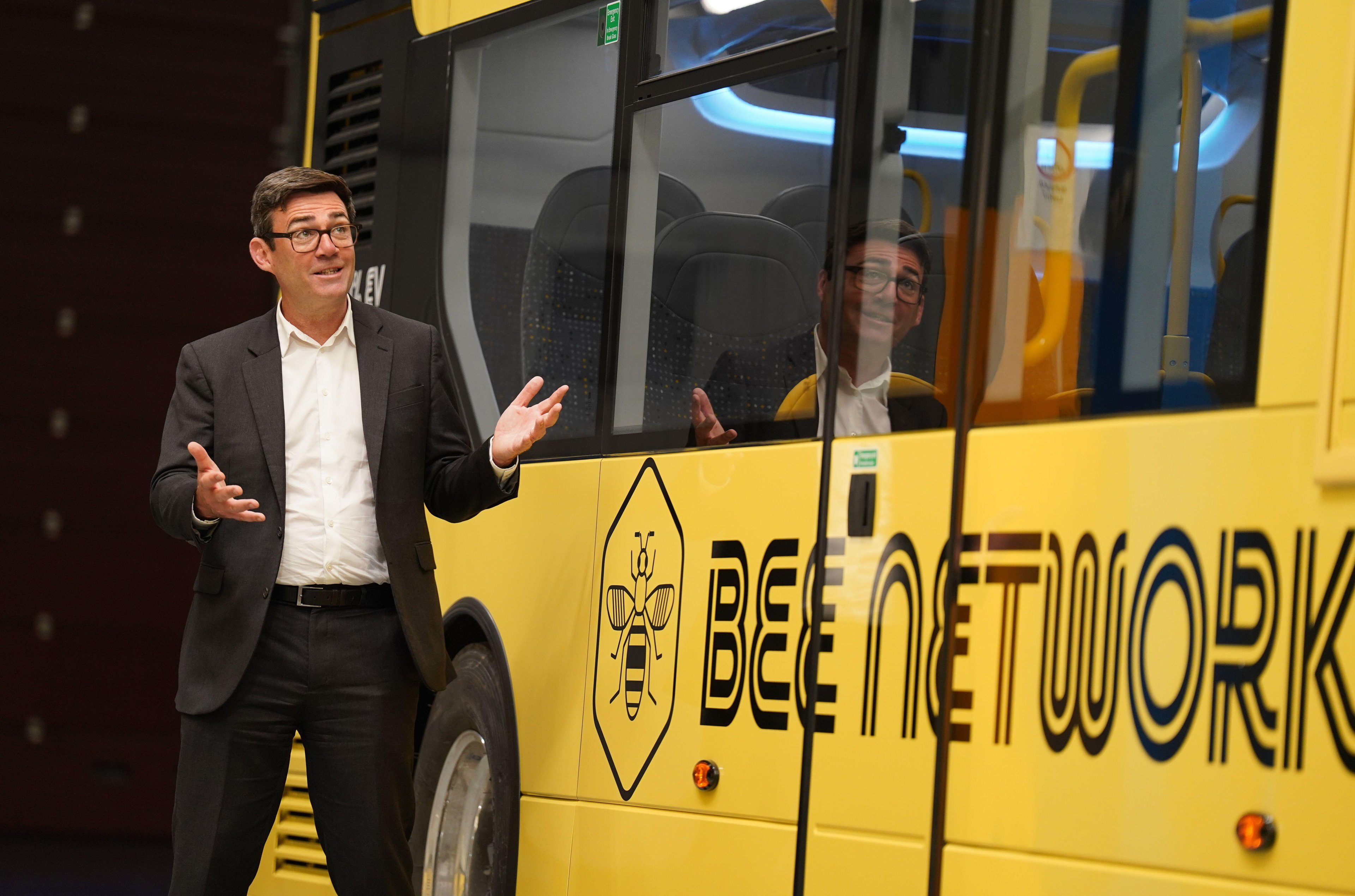
The first election for the Greater Manchester Mayor took place in 2017
It was won by Andy Burnham, who has since won the following two elections.
Burnham introduced the Bee Network, an integrated public transport system similar to London
However, proposals for a Clean Air Zone were scrapped following public opposition
Changes
The number of elected mayors has increased steadily since 2001
This has allowed for greater regional decision-making in parts of England
Successes
A range of successful policy initiatives have been introduced that reflect local needs
Failures
English devolution is patchy and uneven
Many areas of England lack comparable powers, leading to inconsistencies in governance
Scottish Parliament and Government
The Scottish Parliament was established following the Scotland Act (1998) and operates under a reserved matters model
Powers
The Scottish Parliament can legislate on all matters except those explicitly reserved to Westminster
It has primary legislative powers over areas such as health, education, transport and aspects of justice
Scotland has had tax-varying powers since the Scotland Acts (2012 and 2016)
Changes
The 2012 and 2016 Scotland Acts increased tax and welfare powers
The 2014 independence referendum strengthened the mandate for further devolution
Successes
Free university tuition for Scottish students
Distinctive NHS policies, such as free prescriptions
A different strategic response to Covid-19 compared with the rest of the UK
Failures
Rather than securing the Union, devolution has contributed to the growth of the independence movement
Tensions with Westminster have increased, for example over the UK government’s veto of the Gender Recognition Act
Welsh Assembly and Government
The Welsh devolution settlement has evolved significantly since 1998
Powers
Initially, Wales had secondary legislative powers under a conferred matters model
Over time, Wales gained primary legislative powers and later moved to a reserved matters model
The Welsh Parliament now has devolved powers over areas such as health, education and housing
Limited tax-varying powers were introduced after 2017
Changes
The Government of Wales Acts (2006, 2014 and 2017) and a referendum in 2011 gradually expanded Welsh powers
Successes
Distinct public health approaches during Covid-19, including a firebreak lockdown
Promotion of the Welsh language
In 2013, Wales introduced the Human Transplantation (Wales) Act, making organ donation opt-out rather than opt-in
This policy was later adopted across the UK in 2019
Failures
Turnout at Welsh elections has remained low, suggesting limited public engagement with devolution
Northern Irish Assembly and Government
Devolution in Northern Ireland operates under a power-sharing model established by the Good Friday Agreement (1998)
Powers
Devolved authority over health, education, agriculture and aspects of justice
Policing and justice powers were transferred in 2007
Changes
The Good Friday Agreement created a framework requiring cooperation between unionist and nationalist parties
Despite this, the Assembly has experienced repeated suspensions
Successes
The establishment of peace and local governance after decades of conflict
Devolution allowed Northern Ireland to adopt a different approach to abortion legislation compared with the rest of the UK
Failures
There have been numerous suspensions of the Northern Ireland Assembly
Post-Brexit arrangements, known as the Windsor Framework, have continued to create political instability in Northern Ireland

Unlock more, it's free!
Join the 100,000+ Students that ❤️ Save My Exams
the (exam) results speak for themselves:

Was this revision note helpful?