The Nature & Sources of the UK Constitution (Edexcel A Level Politics): Revision Note
Exam code: 9PL0

What is the UK constitution?
The UK constitution is the set of rules, principles and conventions that govern how the UK is run and how political power is distributed
The UK constitution is very different from that of countries such as the USA, as it is not contained in a single document and has instead developed over time
The nature of the UK constitution
The UK constitution has three defining features

1. Unentrenched
Laws and rules can be changed by ordinary parliamentary procedure
There is no special procedure required to amend the constitution
Case Study
New rules requiring voter ID

In 2022, the UK Parliament passed the Elections Act, which introduced a requirement for voters to show photo ID at polling stations in UK elections and some referendums
This marked a significant change to the rights and responsibilities of citizens when voting
Reasons for the change
The government argued that voter ID was necessary to protect the integrity of elections and prevent electoral fraud, even though levels of in-person voter fraud in the UK had been low
Criticisms of the change
Critics argued that the policy could restrict the right to vote, particularly for groups less likely to hold photo ID, such as younger voters, the elderly and some minority groups
This raised concerns about political equality and access to democratic participation
2. Uncodified
The constitution is made up of several written and unwritten sources rather than a single, supreme written document
For example, the constitution draws on Magna Carta, Acts of Parliament, judicial decisions and conventions such as the Salisbury Convention, rather than one codified text
3. Unitary
Political power is legally concentrated in Parliament
Devolved bodies, such as the Scottish Parliament, only have powers that have been granted to them by Parliament
The ‘twin pillars’ of the UK constitution
The UK constitution is based on two core principles, often described as its twin pillars, as they support the entire constitutional system
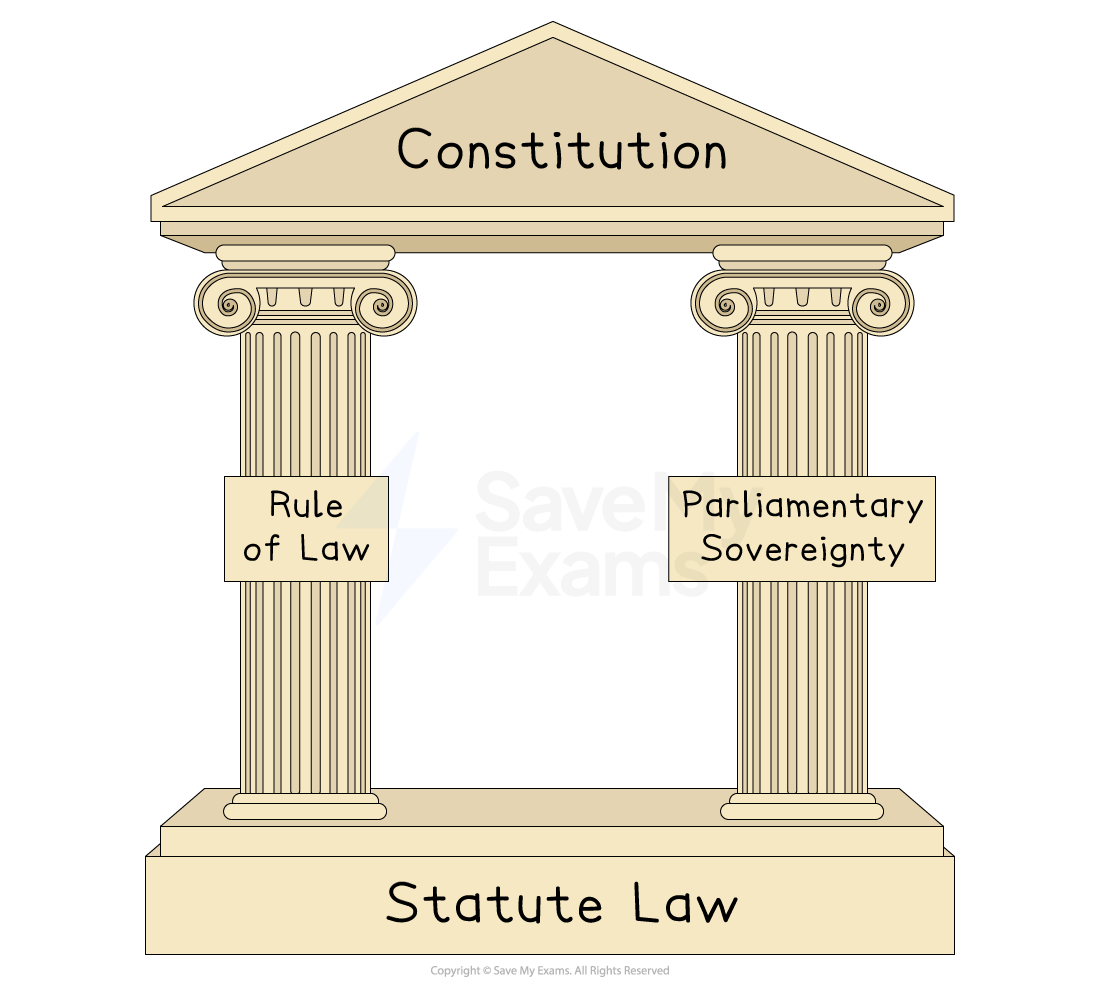
Parliamentary sovereignty
Parliament can make or unmake any law, and no Parliament can bind its successors
Parliament is the supreme legal authority in the UK
Statute law made by Parliament takes priority over all other constitutional sources
Rule of law
Everyone is subject to the law and those laws are applied equally
Courts are independent and able to hold the government to account
Sources of the UK constitution
Because the UK constitution is uncodified, it is drawn from a wide range of sources
Source | Description | Example |
|---|---|---|
Statute law |
|
|
Common law |
|
|
Constitutional conventions |
|
|
Works of authority |
|
|
Treaties |
|
|
Because Parliament is sovereign, statute law outranks all other sources of the constitution
Development of the UK constitution
The UK constitution has developed gradually over centuries rather than being created at a single moment
Key constitutional milestones
Magna Carta (1215)
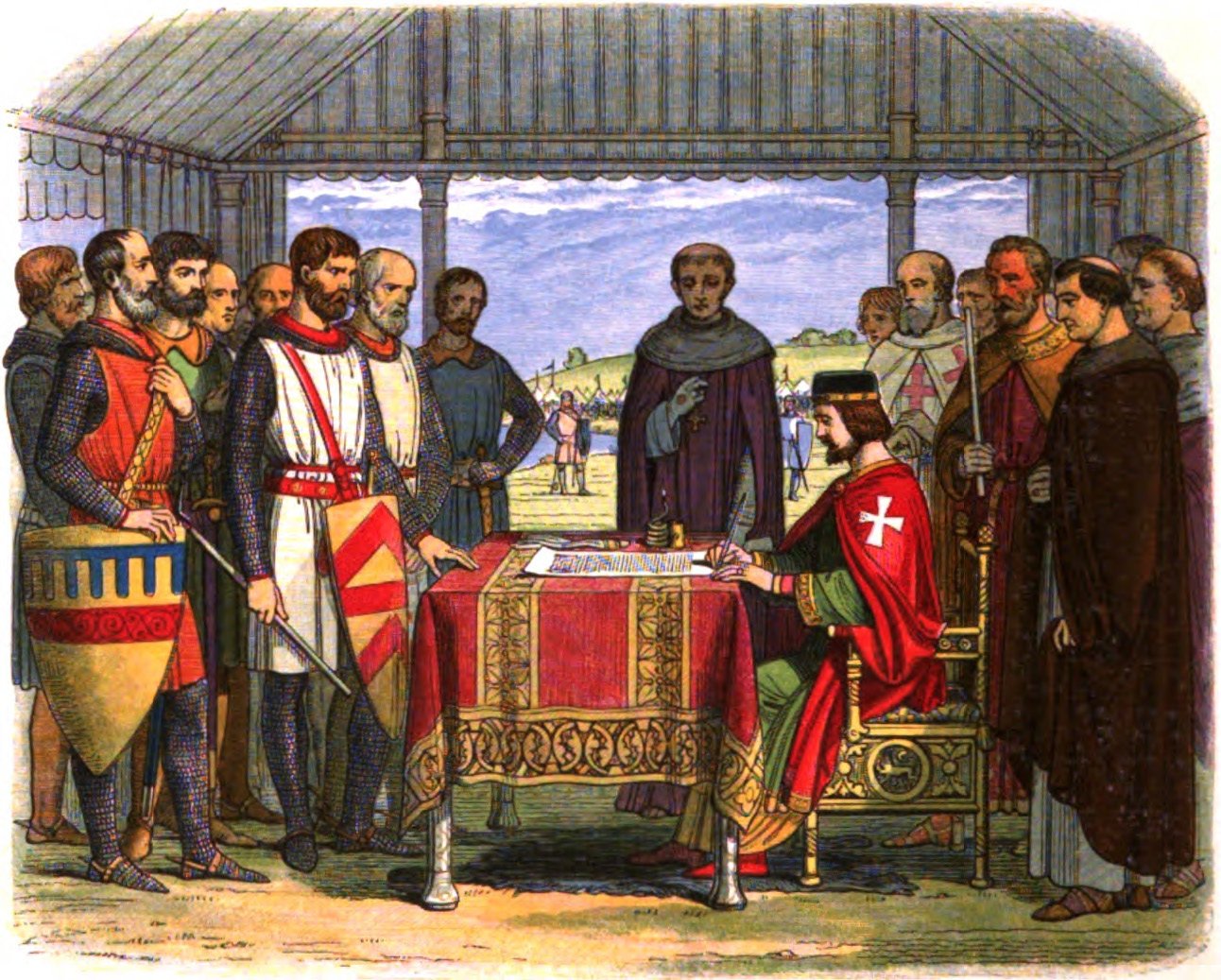
A charter limiting royal power and protecting barons from arbitrary punishment
Forms the foundation of the rule of law and habeas corpus
Bill of Rights (1689)
Limited the monarch’s powers after the Glorious Revolution
Confirmed the supremacy of Parliament and free elections
Act of Settlement (1701)
Reinforced parliamentary supremacy and required the monarch to be Protestant
Influenced the development of judicial independence
Acts of Union (1707)
Incorporated the United England and Scotland into Great Britain
Created a single Parliament at Westminster
Parliament Act 1911
Removed the House of Lords’ veto over money bills
Replaced absolute veto with a delaying power
Parliament Act 1949
Reduced the Lords’ delaying power from two years to one year
Further strengthened the supremacy of the House of Commons

Unlock more, it's free!
Join the 100,000+ Students that ❤️ Save My Exams
the (exam) results speak for themselves:

Was this revision note helpful?