An Introduction to Parliament (Edexcel A Level Politics): Revision Note
Exam code: 9PL0

What is Parliament?
Parliament is the legislative branch of government in the UK, responsible for making laws, scrutinising the executive and representing the electorate
Unlike systems such as the USA, the UK has fused powers
The executive is drawn from the legislature rather than being fully separate
The executive is the branch of government responsible for making policy decisions and implementing laws
In the UK it is made up of the Prime Minister, the Cabinet and government ministers drawn from Parliament
The structure of Parliament
Parliament is made up of three parts
1. The House of Commons
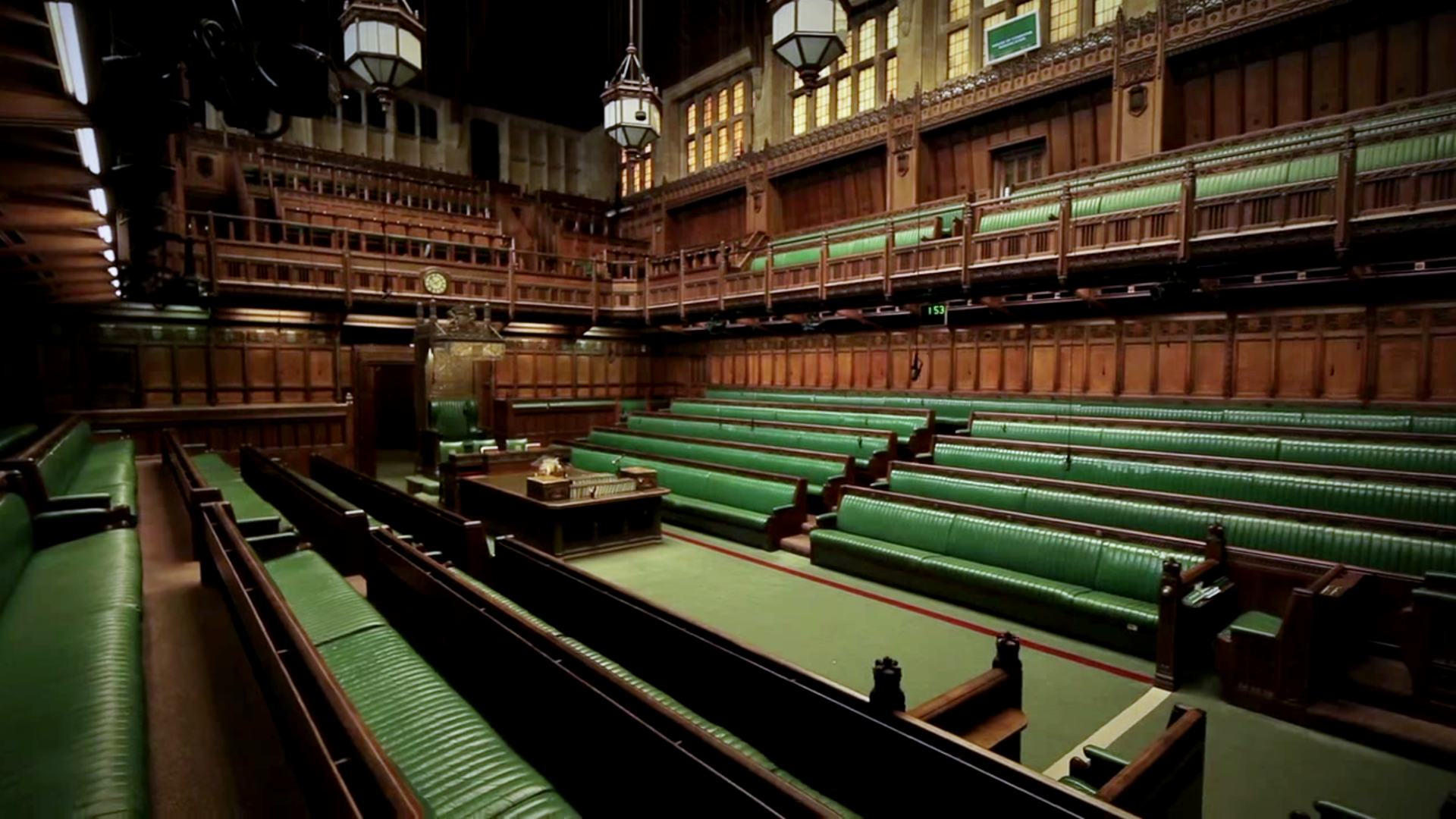
There are 650 elected MPs in the House of Commons
MPs are elected in single-member constituencies using the first-past-the-post system
The House of Commons has primacy because it is the elected chamber
2. The House of Lords
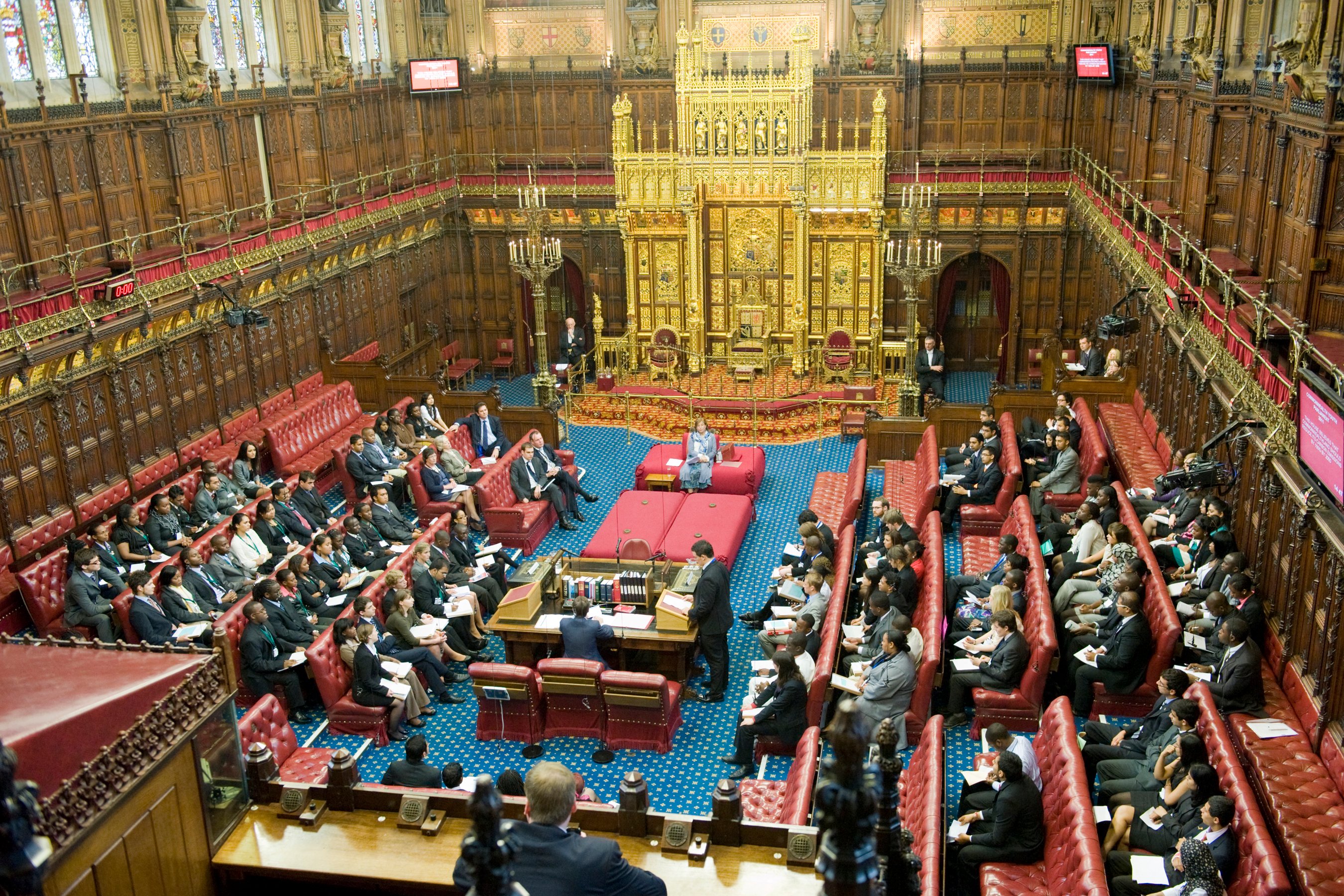
The House of Lords has around 800 unelected members
It acts primarily as a revising chamber
The Lords scrutinises legislation passed by the House of Commons and proposes amendments
3. The Monarch
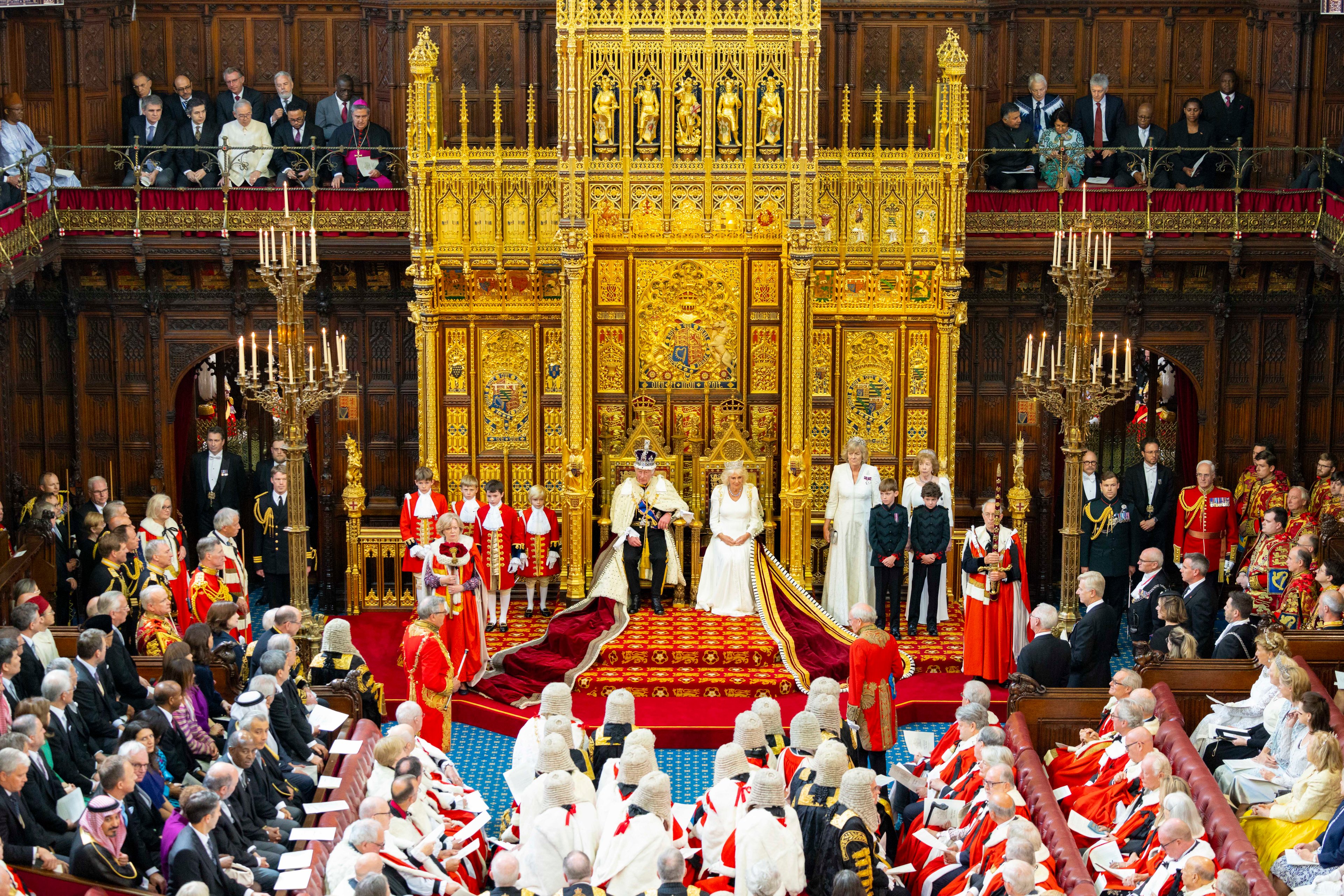
The monarch is unelected and hereditary
Since the Succession to the Crown Act (2013), the first-born child inherits the throne regardless of gender
The current monarch is King Charles III
The monarch formally opens Parliament and grants royal assent to legislation
The roles of Parliament
Parliament performs three main roles, common to legislatures in representative democracies
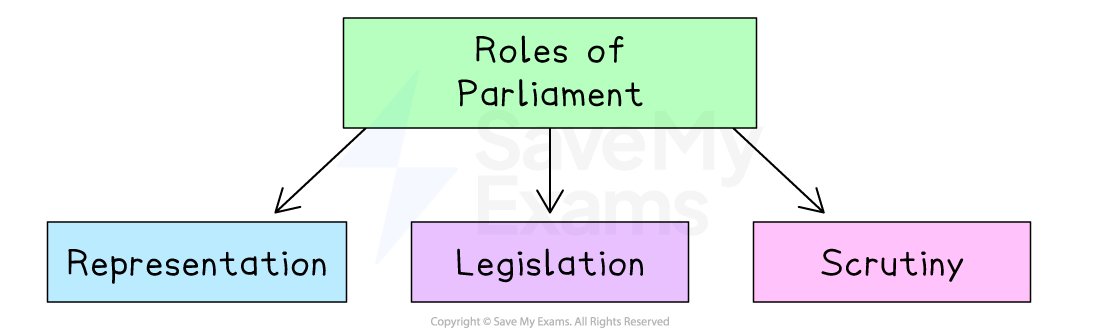
1. Representation
Citizens elect representatives to act on their behalf
MPs are expected to use their judgement and conscience
The House of Lords seeks to represent constitutional traditions and expertise rather than voters
2. Legislation
Parliament proposes, scrutinises and passes legislation
Due to parliamentary sovereignty, Parliament can make or repeal any law
The legislative agenda often reflects the manifesto of the winning party, which is seen as having a mandate
3. Scrutiny
Parliament scrutinises the actions of the executive
Parliament is not the same as the government
Scrutiny is largely carried out by backbench MPs rather than ministers

Unlock more, it's free!
Join the 100,000+ Students that ❤️ Save My Exams
the (exam) results speak for themselves:

Was this revision note helpful?