Parliament & the Executive: Scrutiny (Edexcel A Level Politics): Revision Note
Exam code: 9PL0

What is scrutiny?
Scrutiny is the process by which Parliament examines, challenges and holds the executive to account for its actions, decisions and policies
Scrutiny is particularly important in the UK because the executive is drawn from Parliament
This means there is no strict separation of powers and the government may otherwise dominate the legislative process
Why scrutiny is necessary
The executive controls much of the parliamentary timetable
Strong party discipline and the use of party whips can limit backbench independence
Governments with large majorities under first-past-the-post may face limited opposition
As a result, effective scrutiny often depends on backbench MPs rather than ministers
Backbenchers as the main source of scrutiny
Backbenchers are MPs and peers who do not hold ministerial office
Most methods of parliamentary scrutiny are carried out by backbenchers, particularly in the House of Commons
This is because frontbenchers are part of the government and therefore cannot scrutinise themselves
Backbenchers play a central role in holding the government publicly accountable
Methods of parliamentary scrutiny
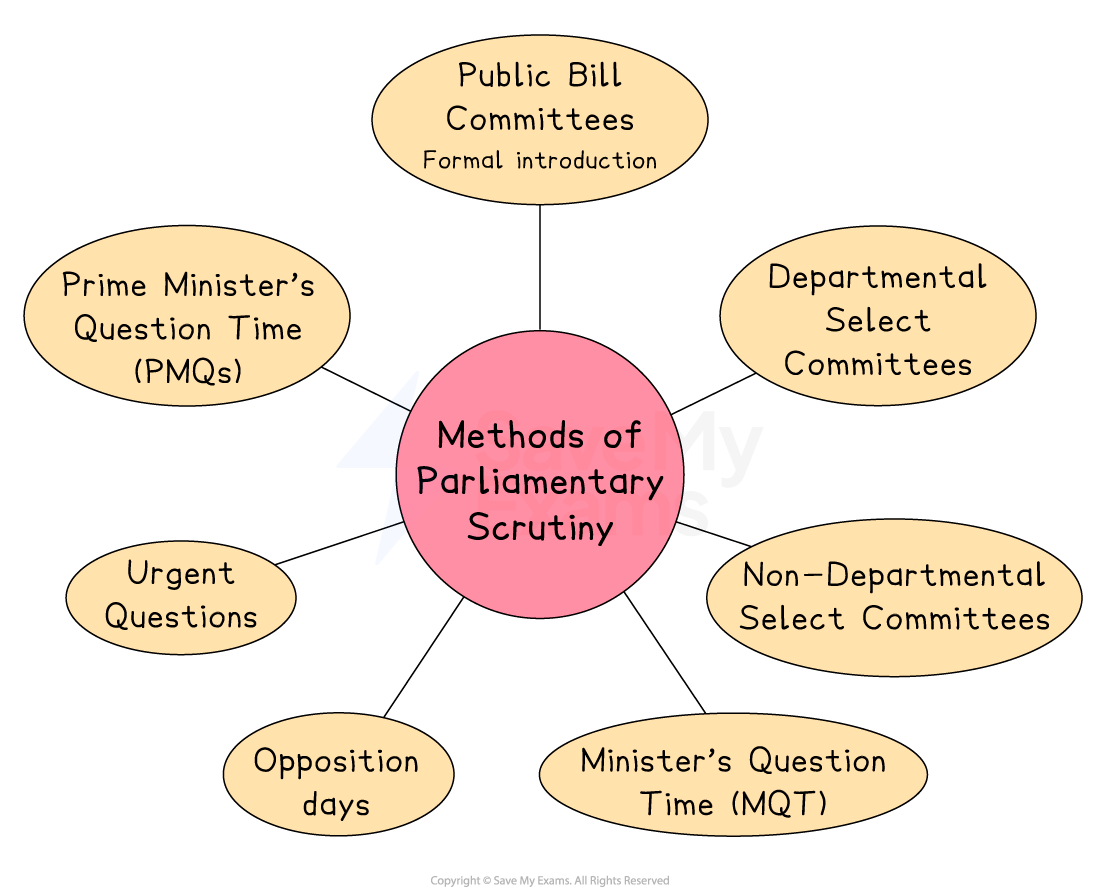
Parliament uses a range of mechanisms to scrutinise the executive, each with different levels of effectiveness
Committee-based scrutiny
Parliamentary committees are smaller groups of MPs or peers established to examine legislation, government departments or public policy in detail
Committees allow for more sustained and specialist scrutiny than debates on the floor of the House
1. Public bill committees
A Public Bill Committee is a temporary committee set up to scrutinise a specific bill during its passage through the House of Commons
Role
Backbenchers make up public bill committees
They conduct line-by-line examination of a bill
They take evidence from experts
They recommend amendments to legislation
Effectiveness
Strengths | Weaknesses |
|---|---|
|
|
2. Departmental select committees
Departmental select committees are permanent committees in the House of Commons that scrutinise the work of individual government departments
Role
Made up of backbenchers
Committee members and chairs are elected by MPs
They scrutinise departments through inquiries, reports and evidence sessions
Effectiveness
Strengths | Weaknesses |
|---|---|
|
|
Case Study
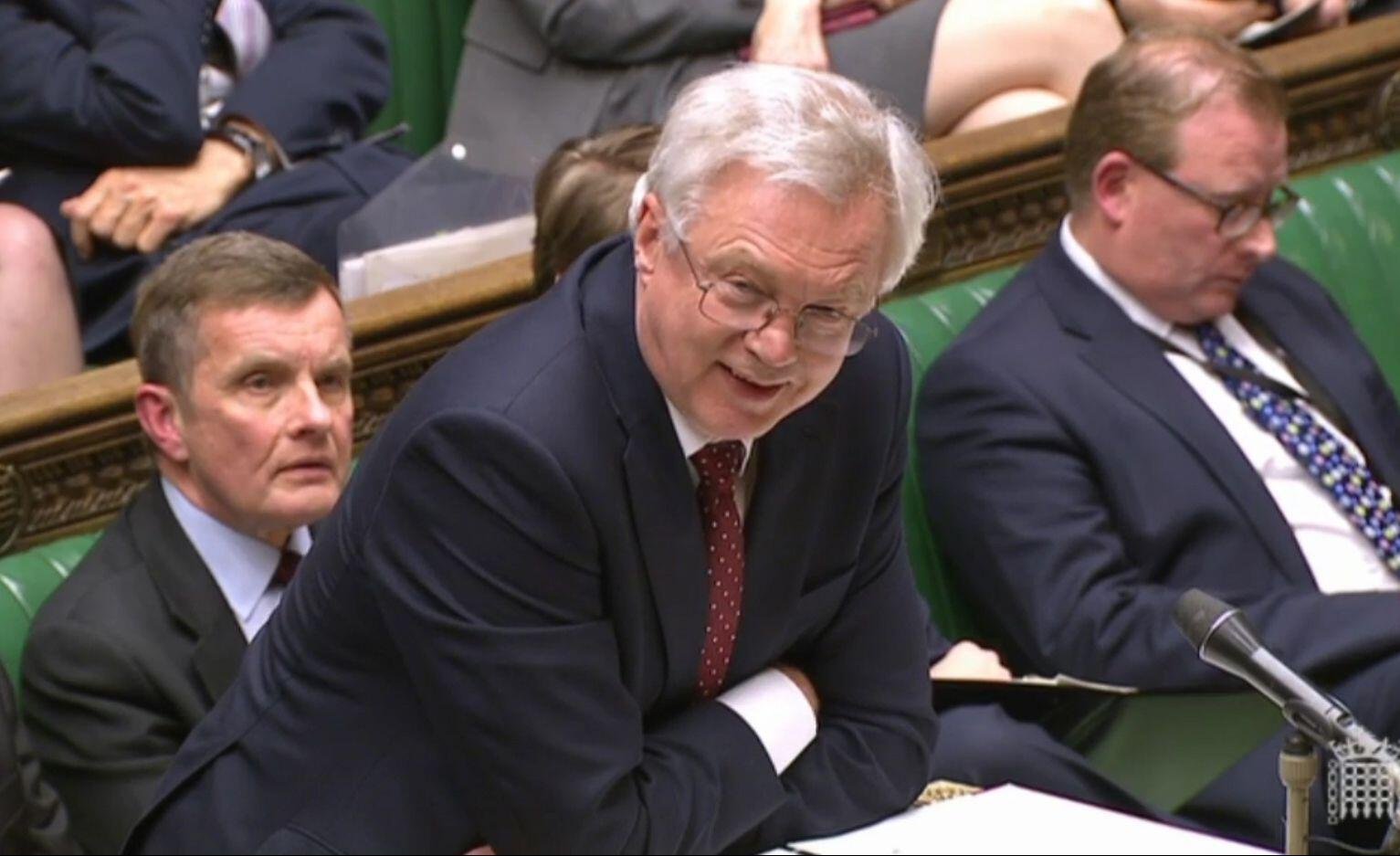
Departmental Select Committee Scrutiny — Brexit Secretary David Davis
Following the 2016 Brexit referendum, the Department for Exiting the European Union (DExEU) was responsible for negotiating the UK’s withdrawal from the EU
There were concerns in Parliament about the extent to which MPs would have oversight of the Brexit process
Actions taken
In 2017, Brexit Secretary David Davis appeared before the Brexit Select Committee, a departmental select committee made up of backbench MPs
During questioning, Davis suggested that Parliament might not be given a vote on the final Brexit deal until after the UK had already left the EU
Outcomes
The evidence session triggered further parliamentary scrutiny, including questioning in Prime Minister’s Questions
The issue contributed to legal and political pressure over parliamentary sovereignty
The situation ultimately culminated in a Supreme Court ruling that Parliament must have a meaningful vote on Brexit
This reinforced the role of select committees in exposing executive intentions and strengthening accountability
3. Non-departmental select committees
Non-departmental select committees are committees whose remit cuts across several government departments
Role
Made up of backbenchers
Some chairs are conventionally drawn from the opposition
Examples include:
the Public Accounts Committee, which examines value for money in public spending
the Environmental Audit Committee, which assesses the sustainability of government policy
Effectiveness
Strengths | Weaknesses |
|---|---|
|
|
4. Backbench Business Committee (BBBC)
The Backbench Business Committee (BBBC) gives backbench MPs control over a portion of parliamentary time, allowing them to set the agenda independently of the government
Role
The committee allocates time for debates chosen by backbench MPs rather than the government
MPs can bid for debates by demonstrating:
cross-party support
public importance
Debates can cover a wide range of subjects, including public petitions, constituency issues, policy concerns and national events
The committee has enabled debates on issues such as:
military action in Libya (2011)
Hillsborough
Universal Credit
Effectiveness
Strengths | Weaknesses |
|---|---|
|
|
Question-based scrutiny in the House of Commons
1. Prime Minister’s Questions (PMQs)
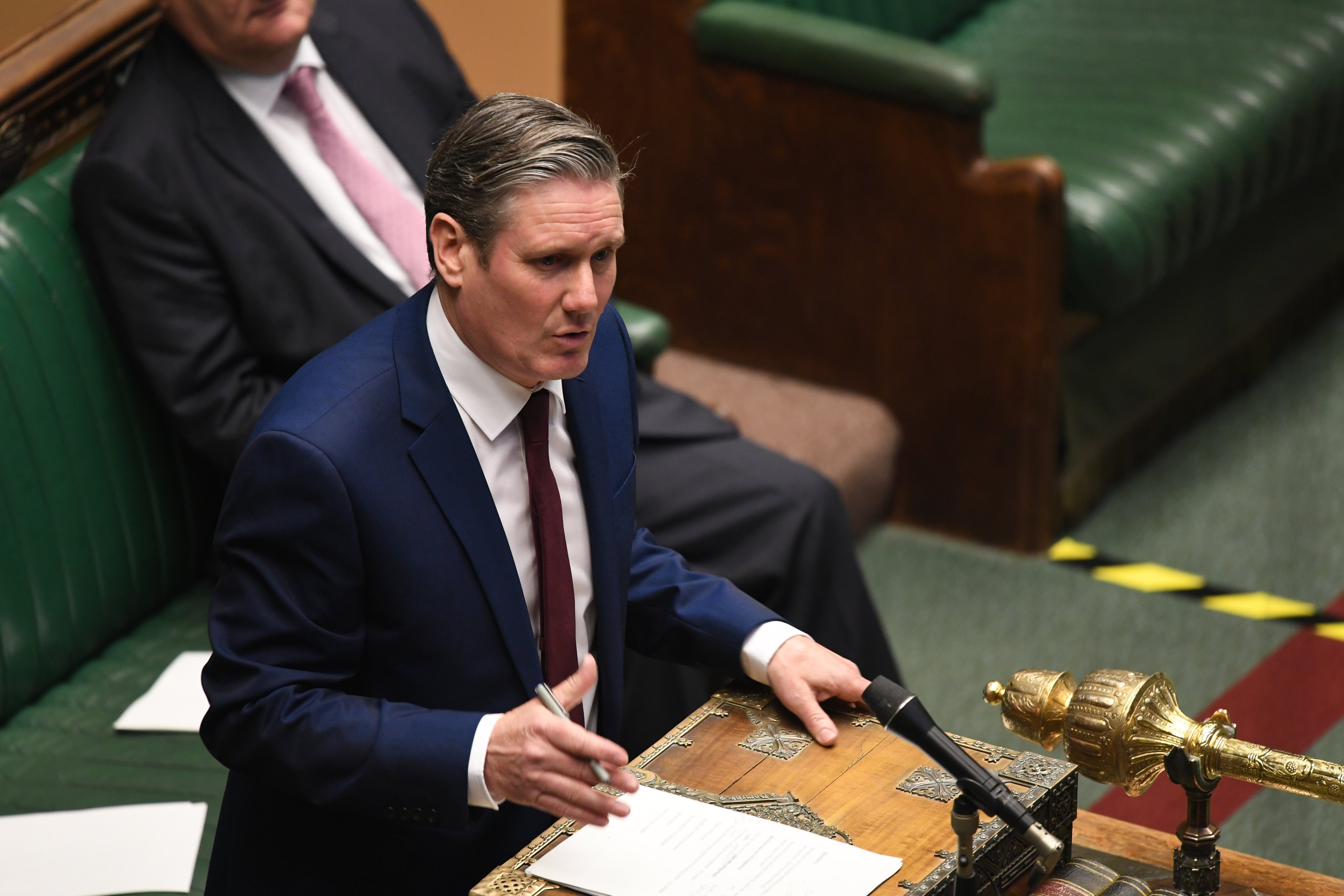
Prime Minister’s Questions is a weekly session in which MPs question the Prime Minister in the House of Commons
PMQs is more effective at public accountability than detailed examination
Role
A 30-minute session held once a week
Backbenchers are selected by ballot or by the Speaker
Includes:
six questions from the Leader of the Opposition
three questions from the leader of the third-largest party
Effectiveness
Strengths | Weaknesses |
|---|---|
|
|
2. Minister’s Question Time (MQTs)
Minister’s Question Time allows MPs to question ministers about the work of their specific department
Role
Takes place daily for around one hour
Ministers attend on a rota
MPs can question departmental policy and performance
Effectiveness
Strengths | Weaknesses |
|---|---|
|
|
3. Urgent Questions
An Urgent Question (UQ) is a question granted by the Speaker to allow immediate scrutiny of a pressing issue
Role
Backbenchers request a UQ from the Speaker
If granted, it is answered on the same day
A minister from the relevant department must attend the Commons
Effectiveness
Strengths | Weaknesses |
|---|---|
|
|
Case Study
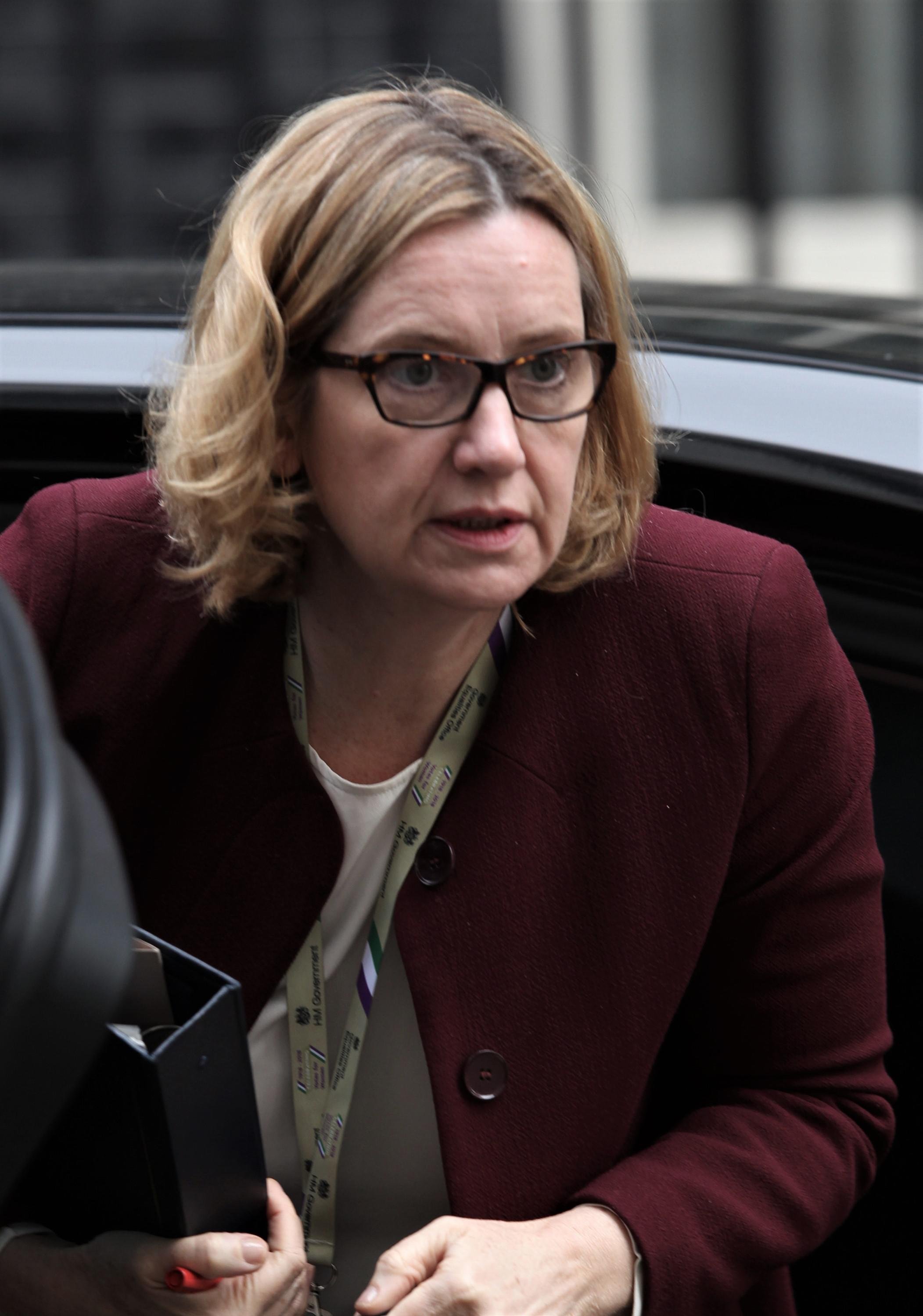
Urgent Questions — Amber Rudd and the Windrush Scandal
The Windrush scandal revealed that members of the Windrush generation had been wrongly detained, denied legal rights and threatened with deportation
These failures were linked to Home Office immigration policy and record-keeping
Actions taken
Backbench MPs requested Urgent Questions to force immediate scrutiny of the Home Office
The Speaker granted the requests
The Home Secretary, Amber Rudd, was required to attend the House of Commons and respond to MPs on the same day
Outcomes
The Urgent Questions generated significant media attention
Political pressure on the government intensified
Amber Rudd resigned as Home Secretary
This demonstrated how Urgent Questions can provide rapid, high-impact scrutiny and force ministerial accountability
Opposition-based scrutiny
The opposition refers most commonly to His Majesty’s Loyal Opposition, the second-largest party in the House of Commons
The opposition plays a key role in scrutiny by:
holding the government to account
offering alternative policies
concentrating and coordinating scrutiny
Opposition days
Opposition Days are days allocated for opposition parties to control the agenda in the House of Commons
Role
The opposition is given 20 days per parliamentary year
They choose the topic of debate
Effectiveness
Strengths | Weaknesses |
|---|---|
|
|
Are backbenchers effective at scrutinising the executive?
Backbenchers make up the majority of MPs in the House of Commons and carry out most forms of parliamentary scrutiny
However, the extent to which they are effective is contested
Backbenchers are effective | Backbenchers are not effective |
|---|---|
|
|

Unlock more, it's free!
Join the 100,000+ Students that ❤️ Save My Exams
the (exam) results speak for themselves:

Was this revision note helpful?
