Parliamentary Privilege & the Role of the Opposition (Edexcel A Level Politics): Revision Note
Exam code: 9PL0

What is parliamentary privilege?
Parliamentary privilege protects MPs and peers from legal action for what they say or do in the course of parliamentary proceedings
It amounts to a guarantee of freedom of speech in Parliament
MPs and peers can speak openly without fear of prosecution, libel or defamation claims
This enables robust scrutiny of the executive and exposure of wrongdoing
Role and significance of parliamentary privilege
Allows MPs and peers to raise sensitive or controversial issues
Enables Parliament to scrutinise powerful individuals, institutions and the government
Supports transparency and accountability
Protects Parliament’s ability to hold the executive to account without interference from the courts
However, the use of parliamentary privilege can also be controversial, particularly where it conflicts with:
court rulings
anonymity orders
reputational rights
Case Study
Parliamentary Privilege and “Soldier F”
The context
“Soldier F” was a former member of the British Army alleged to have committed murder during the 1972 Bloody Sunday events
Courts had previously granted anonymity to “Soldier F”
The case formed part of wider debates over accountability for historical crimes committed during the Troubles
Actions taken
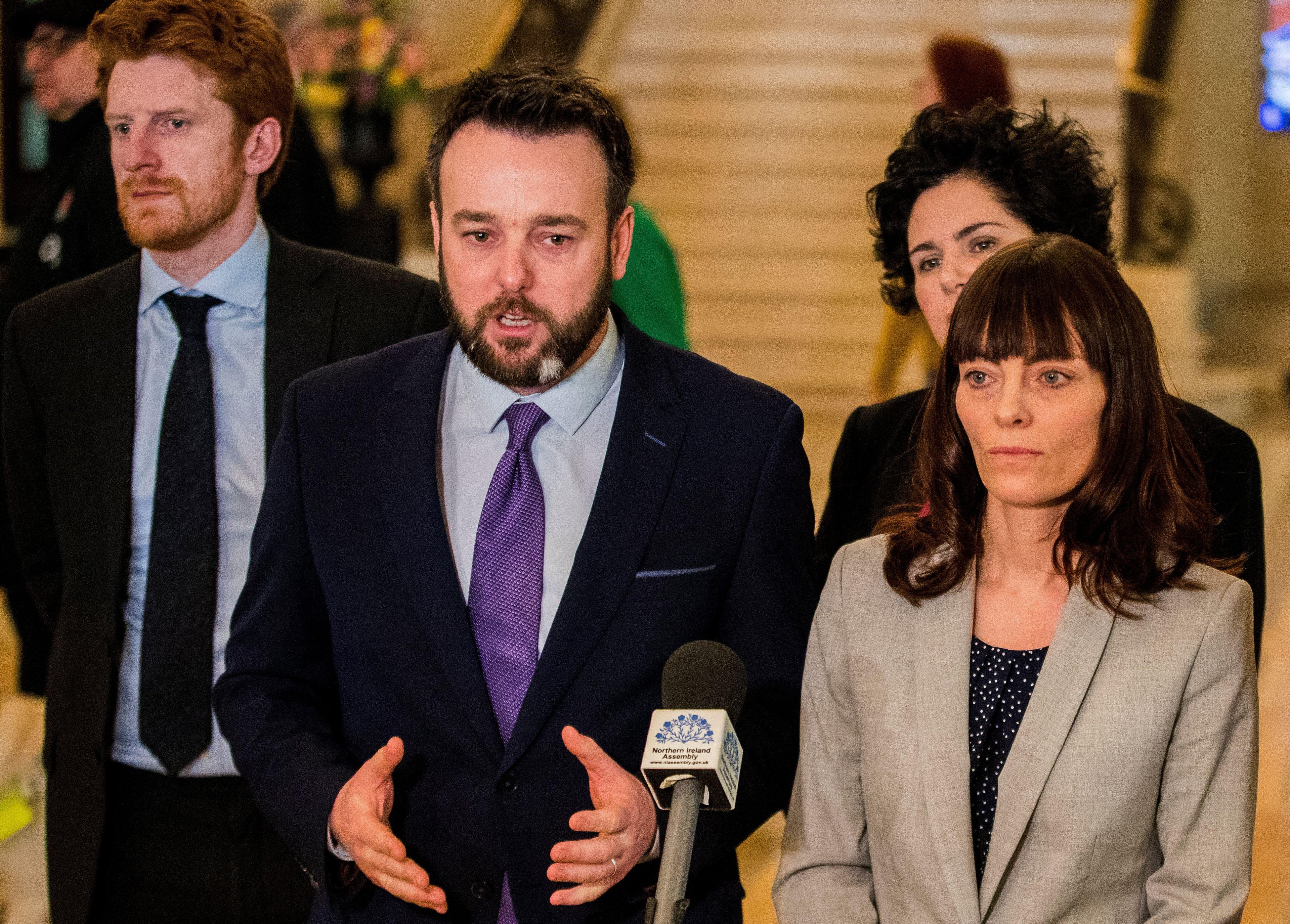
In July 2021, SDLP leader Colum Eastwood used parliamentary privilege in the House of Commons
He publicly named “Soldier F” during parliamentary proceedings
This directly contradicted an earlier court direction granting anonymity
Outcome
The naming sparked intense political and legal debate
It raised questions about:
whether legacy cases from the Troubles should continue
whether anonymity protections were still appropriate decades later
accountability for historical crimes
The case demonstrated how parliamentary privilege can override court-imposed restrictions in the interests of scrutiny and accountability
Case Study
Parliamentary Privilege and Russian Oligarchs
The context
Following Russia’s invasion of Ukraine in 2022, there was increased scrutiny of Russian wealth and influence in the UK
Concerns were raised about individuals with close links to the Kremlin operating within the UK economy
Actions taken
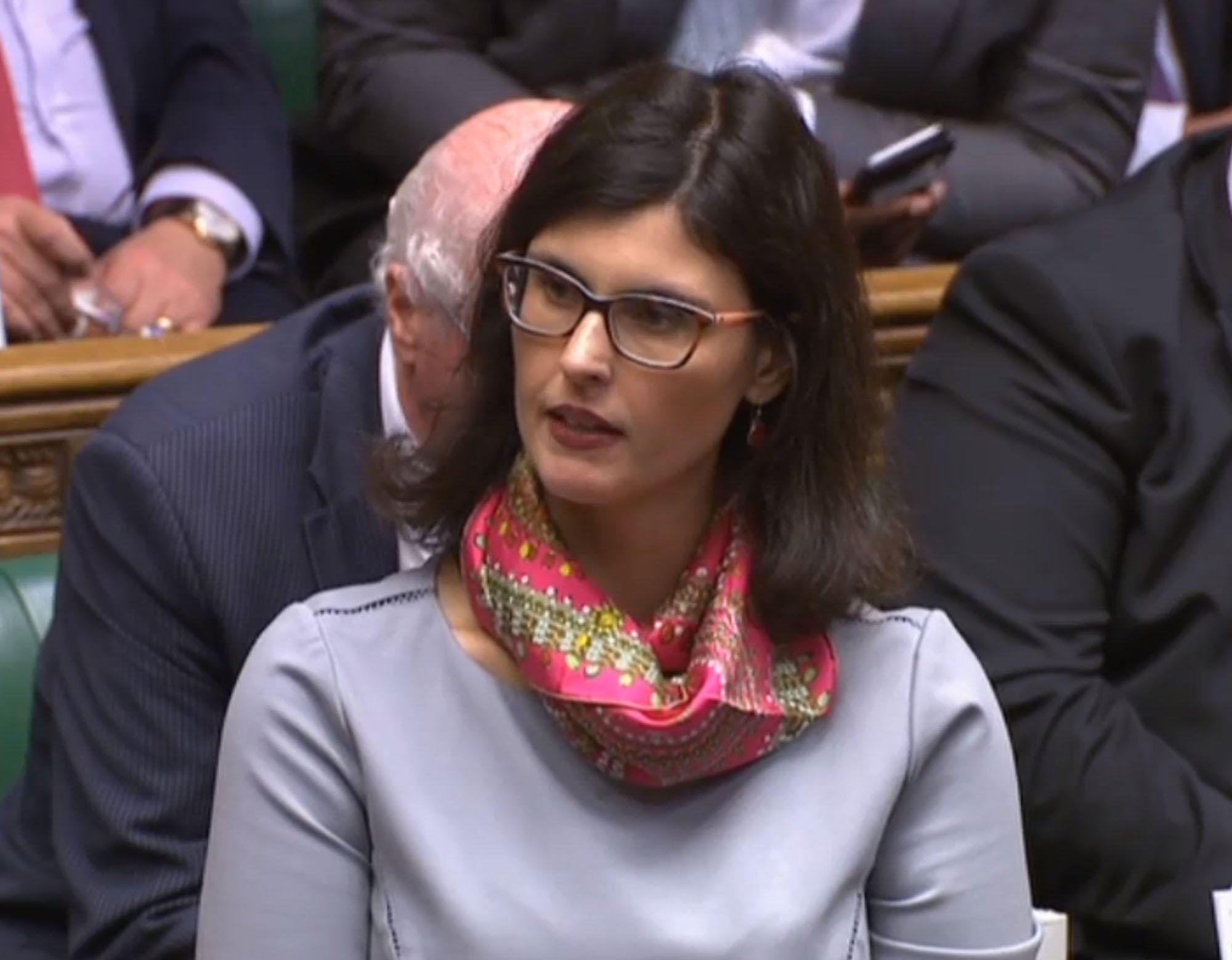
In February 2022, Liberal Democrat MP Layla Moran used parliamentary privilege in the House of Commons
She publicly named 35 Russian oligarchs whom she described as “key enablers” of the Kremlin
By invoking parliamentary privilege, she was immune from defamation or libel proceedings
Outcome
The names entered the official parliamentary record, Hansard
Her actions increased political and public pressure on the UK government
The case contributed to debate over sanctions and asset freezes
It highlighted how parliamentary privilege can be used as a tool for transparency and public interest scrutiny
Evaluation of Parliamentary Privilege
Strengths | Weaknesses |
|---|---|
|
|
The role of the opposition in Parliament
The opposition in Parliament could refer to all MPs that are not from the governing party
More commonly however, it refers to His Majesty’s Loyal Opposition, which is the second largest party in the House of Commons
Roles of the opposition
To provide alternative government, or a ‘government-in-waiting’
To hold the government to account through the methods of scrutiny
To scrutinise legislation and policy proposed by the government
To represent alternative policies that might have favour amongst different parts of the electorate
To lead on opposition days
To trigger confidence motions if needed
How they carry out roles
The Shadow Cabinet offers alternative ministers and policy platforms to those of the government
They can also use the media to campaign, set the public agenda and critique the government
PMQs and Ministers' Question Time allows the opposition to put ministers on record and highlight their failures
Select committees and opposition day debates can necessitate a government response, even if it is not binding
They develop their own policy alternatives through manifestos and consultation papers
They can use of parliamentary procedures such as urgent questions to scrutinise the government
The influence of the opposition
The opposition is vital for democratic accountability
It concentrates scrutiny and provides policy alternatives
However, its effectiveness depends on resources, unity and media access
A strong opposition can shape policy debates but their influence can be limited by large government majorities
Opposition days
These are days in the parliamentary timetable when opposition parties choose the topic for debate in the House of Commons, allowing them to challenge and scrutinise the government
The opposition is timetabled 20 days per year
Are opposition days effective?
Yes - they force the government to respond to opposition priorities and can spotlight issues the government would rather ignore
No - these days have limited power, as votes are generally not binding, and are more symbolic than powerful

Unlock more, it's free!
Join the 100,000+ Students that ❤️ Save My Exams
the (exam) results speak for themselves:

Was this revision note helpful?