The House of Lords (Edexcel A Level Politics): Revision Note
Exam code: 9PL0

What is the House of Lords?
The House of Lords is the unelected second chamber of Parliament, primarily responsible for revising legislation and providing specialist expertise
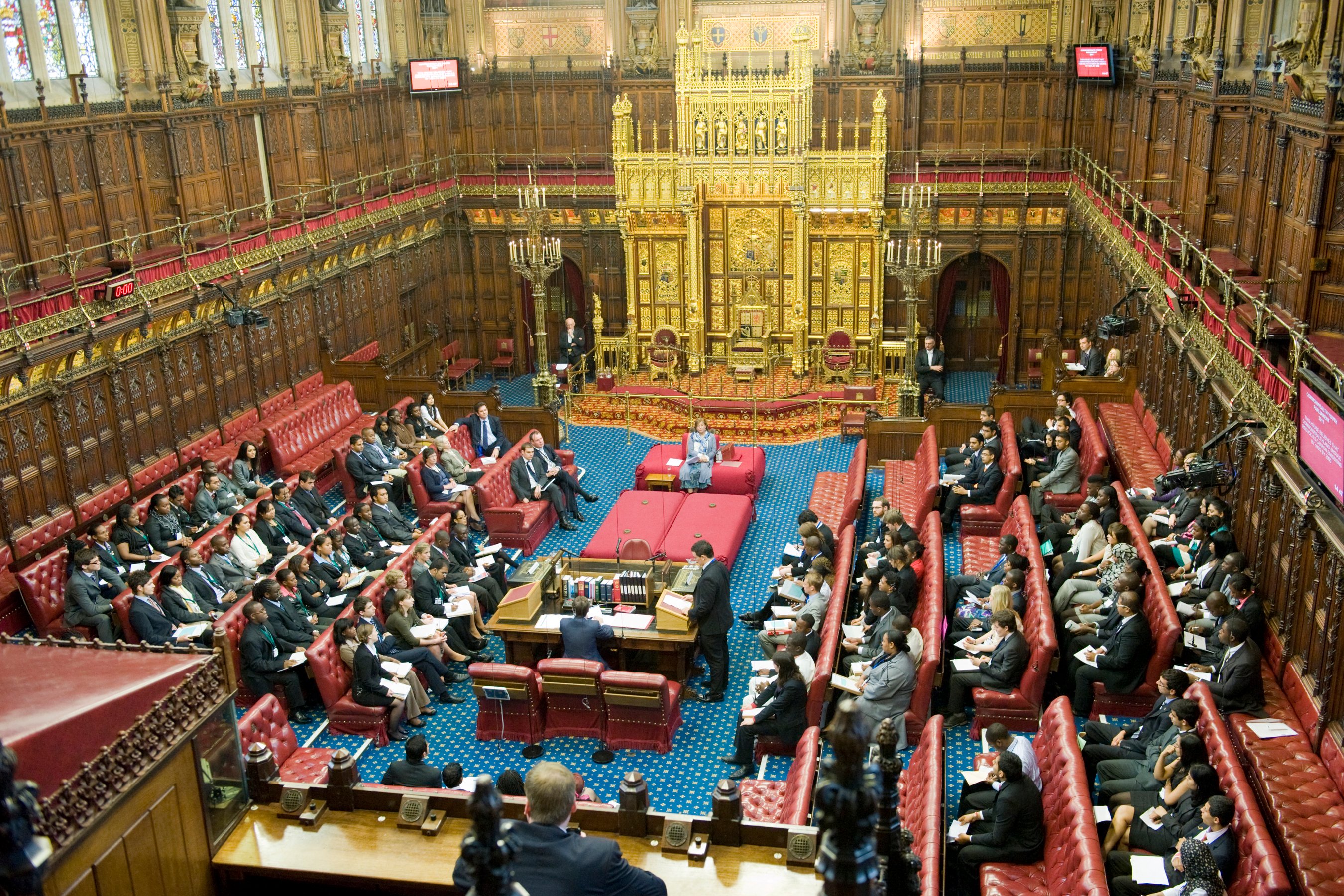
Membership of the House of Lords
The House of Lords contains three types of members:
1. Life peers
Life peers are appointed for life due to public service or expertise
They were created under the Life Peerages Act 1958
They now make up the majority of the House
Examples include Baroness Hale and David Cameron
2. Hereditary peers
Hereditary peers inherit their title
After the House of Lords Act 1999, only 92 hereditary peers remain
They are elected internally using alternative vote
Internal elections were paused in 2024 due to proposed legislation to remove hereditary peers permanently
Peers may be party-affiliated or sit as crossbenchers, meaning they are independent of political parties
3. Lords Spiritual
These are 26 senior bishops of the Church of England
Functions of the House of Lords
1. Legislation revision and amendment
Proposes detailed amendments to legislation from the Commons
In 2022, the Lords defeated the government 14 times in one day over the Police, Crime, Sentencing and Courts Bill
While the Commons can overturn amendments, Lords’ expertise often leads to compromise
2. Specialist committees
Conduct detailed investigations and inquiries
In 2025, the Lords Constitution Committee warned that the rule of law was under threat in the UK
3. Former judicial role
Until 2009, the House of Lords acted as the final court of appeal
This role ended with the creation of the UK Supreme Court
Case Study
The House of Lords and the Rwanda Bill (2024)
The Conservative government introduced the Safety of Rwanda Bill to allow asylum seekers arriving in the UK to be deported to Rwanda

What happened?
The House of Lords repeatedly amended the bill, questioning whether Rwanda could be declared a safe country
The government was defeated five times in one sitting, with some amendments passing by majorities of over 100 votes
As the bill was not a manifesto commitment, the Salisbury Convention did not apply
Prime Minister Rishi Sunak chose not to use the Parliament Acts
Outcome
The government accepted concessions, including exemptions for Afghan war veterans
The bill eventually passed, showing that the Lords can delay and amend legislation but not veto it
Why this matters
Demonstrates the influence of the House of Lords through expertise and moral authority
Shows the limits of Lords’ power compared to the House of Commons

Unlock more, it's free!
Join the 100,000+ Students that ❤️ Save My Exams
the (exam) results speak for themselves:

Was this revision note helpful?