Prime Minister Influence: 1945 to 1997 (Edexcel A Level Politics): Revision Note
Exam code: 9PL0

Case studies of Prime Ministers
These case studies illustrate how the power of the Prime Minister varies in practice, depending on leadership style, political context, party unity and external events
What these case studies demonstrate
Prime ministerial power varies significantly between individuals
Leadership style shapes the PM–Cabinet relationship
Party unity, majority size and crisis conditions affect executive dominance
Even strong PMs remain constrained by:
Cabinet
Parliament
party divisions
public opinion
Margaret Thatcher (1979–1990)
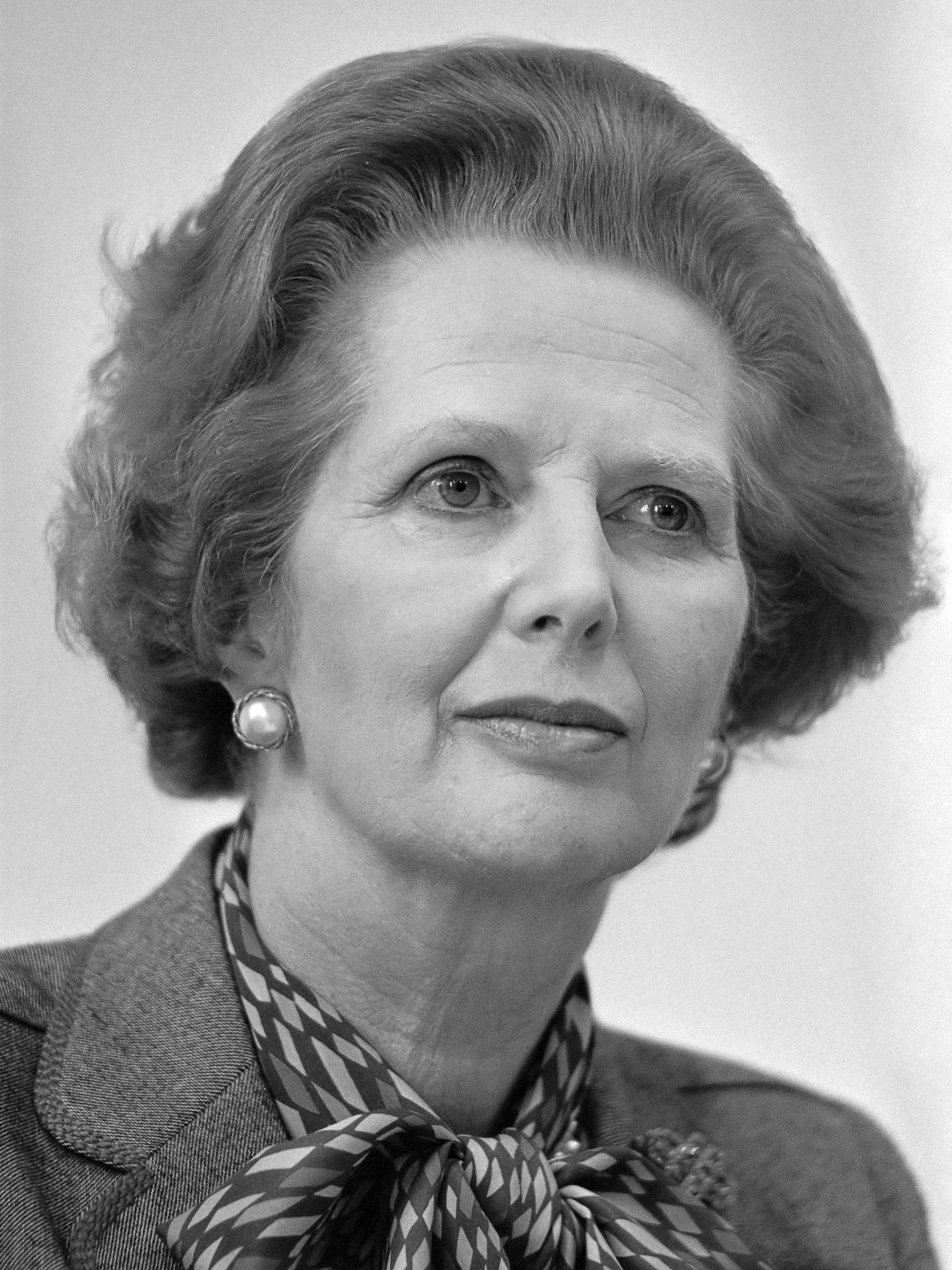
Margaret Thatcher was the Conservative Prime Minister, often associated with strong, centralised leadership
Case Study
Margaret Thatcher's governments
Key policies
Rolled back the state and promoted market-based, supply-side economics
Privatised major industries including gas, telecoms and steel
Deregulated financial markets
Cut the basic rate of income tax from 33% to 25%
Promoted home ownership through the Right to Buy scheme
Achievements
Home ownership expanded
State-run industries were reduced
Inflation fell compared with the 1970s
Failures
Introduction of the poll tax (1989–90), a flat-rate local tax regardless of income
Deeply unpopular and sparked mass protests
Handling of the 1984–85 miners’ strike led to violent clashes, arrests and prosecutions
Cabinet
Exercised strong centralised control
Pushed policies through despite Cabinet opposition
Used reshuffles to remove dissenters, including the 1989 night of the long knives
Leadership style often described as presidential
Cabinet opposition ultimately contributed to her removal

Unlock more, it's free!
Join the 100,000+ Students that ❤️ Save My Exams
the (exam) results speak for themselves:

Was this revision note helpful?
