Prime Minister Influence: 1997 to present (Edexcel A Level Politics): Revision Note
Exam code: 9PL0

Tony Blair (1997–2007)
Tony Blair was the Labour Prime Minister who led New Labour and modernised the role of PM
Case Study
Tony Blair's approach to leadership
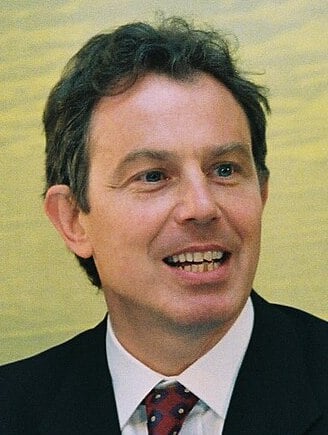
Key policies
Constitutional reform, including:
devolution for Scotland and Wales
the Human Rights Act
reform of the House of Lords
Increased spending on health and education
Introduced the National Minimum Wage
Expanded civil rights
Achievements
NHS modernisation through the NHS 2000 Plan
Increased numbers of doctors and nurses and reduced waiting times
Major constitutional reforms enacted
Failures
Decision to invade Iraq (2003)
Controversial intelligence on weapons of mass destruction
Damaged public trust
Sparked mass protest
Divided the Labour Party, with 139 MPs opposing the war
Introduction of university tuition fees, seen as a betrayal of Labour values
Cabinet
Often bypassed full Cabinet discussion
Relied on a centralised core executive
Used bilateral meetings and advisers
Strong media control and use of spin
Cabinet influence reduced in favour of PM dominance
Examiner Tips and Tricks
Your syllabus calls for two prime minister case studies, one pre-1997 and one post-1997. In reality you need more to ensure you are able to fully evaluate relevant questions
David Cameron (2010–2016)
David Cameron was Prime Minister of both a Coalition and a Conservative majority government
Case Study
David Cameron's approach to leadership
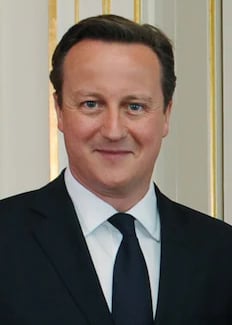
Key policies
Coalition policies (2010–15) reflected compromise between Conservatives and Liberal Democrats
Austerity policies in response to the financial crisis
Welfare reform, including Universal Credit
Referendums on:
the AV voting system
Scottish independence
UK membership of the EU
Achievements
The budget deficit reduced from 10% of GDP (2010) to 4% (2015)
Delivered multiple referendums
Oversaw military intervention in Libya and Syria
Failures
The decision to call the EU referendum resulted in a vote to leave
Party divisions deepened
Austerity increased inequality and food bank use
Universal Credit rollout led to delays and hardship
Cabinet
Coalition required negotiation and compromise
Liberal Democrat ministers constrained PM power
Relied heavily on The Quad rather than full Cabinet
PM authority weakened by the coalition context
Rishi Sunak (2022–2024)
Rishi Sunak was Prime Minister during a period of party instability and economic difficulty
Case Study
Rishi Sunak's approach to leadership
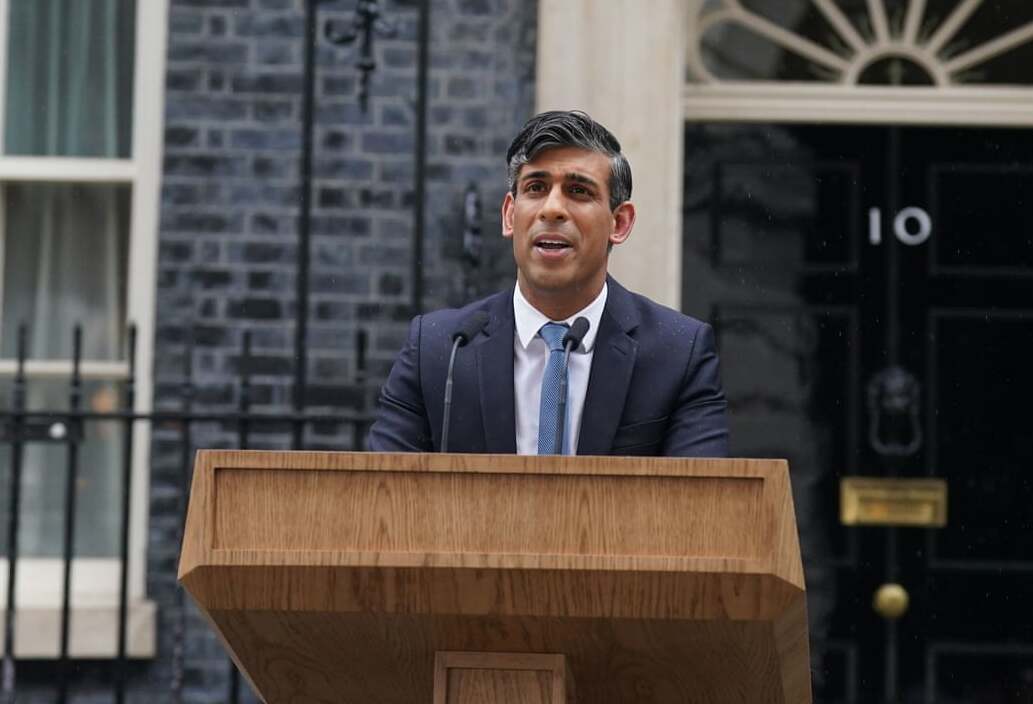
Key policies
Five priorities:
halving inflation
growing the economy
cutting debt
reducing NHS waiting lists
stopping the boats
Policies were partly constrained by inheriting a long-running Conservative government
Achievements
Negotiated the Windsor Framework on Northern Ireland
Stabilised the Conservative Party after Johnson and Truss
Advanced the immigration control agenda
Failures
The cost-of-living crisis continued to affect low-income households
The Rwanda asylum policy failed to deliver its objectives
Conservatives suffered a landslide defeat in the 2024 general election
Cabinet
Used reshuffles to restore stability
Brought back experienced figures, including David Cameron as Foreign Secretary
Leadership style more collective and pragmatic
Short tenure limited long-term Cabinet cohesion
Keir Starmer (2024– )
Keir Starmer is the current Labour Prime Minister following a landslide victory in 2024
Case Study
Keir Starmer's approach to leadership
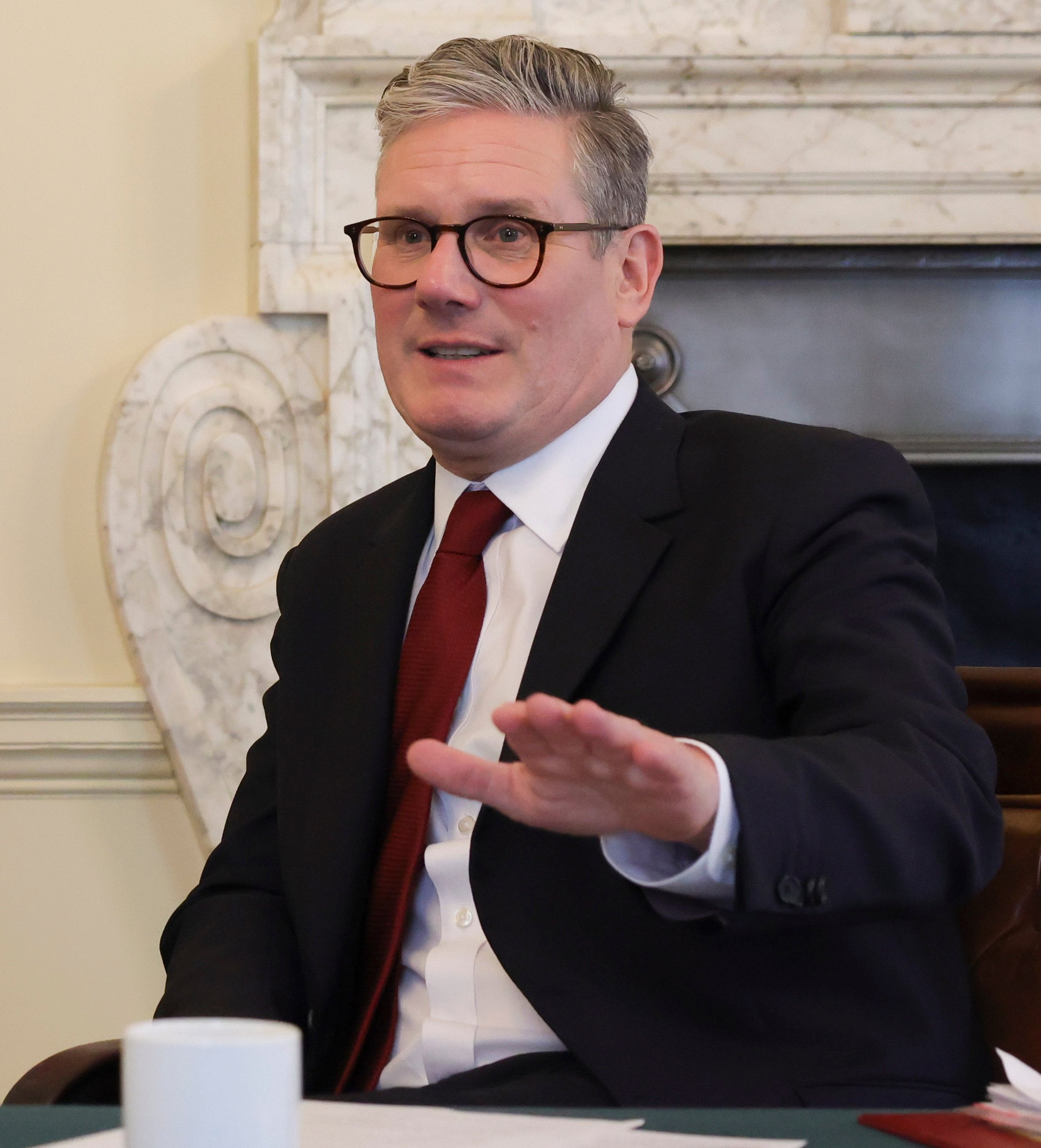
Key policies
“Six First Steps for Change”, including:
achieving economic stability
reducing NHS waiting times
establishing Border Security Command
establishing Great British Energy
tackling anti-social behaviour
recruiting 6,500 teachers
Achievements (to end 2025)
Reoriented Labour towards the political centre
Great British Energy Act received royal assent (May 2025)
Failures (to end 2025)
U-turns on winter fuel payments
Cabinet resignations created controversy
2025 Budget controversy over tax rises and deficit claims
Cabinet
Early indications of a moderate, collective leadership style
Greater use of traditional Cabinet channels
Less reliance on informal sofa government
The cabinet relationship is still developing

Unlock more, it's free!
Join the 100,000+ Students that ❤️ Save My Exams
the (exam) results speak for themselves:

Was this revision note helpful?