Case Studies: Informal Powers of Presidents Bush, Obama, Trump, and Biden (Edexcel A Level Politics): Revision Note
Exam code: 9PL0

Presidents' informal sources of power
Case Study
George W. Bush (2001–2009)
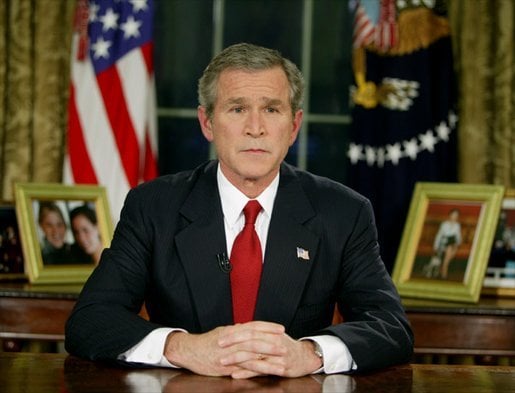
George W. Bush’s presidency demonstrates how informal powers can significantly expand presidential authority, particularly during periods of national crisis
Following the 9/11 terrorist attacks in 2001, Bush used rhetoric and crisis leadership to unify public opinion and Congress
His use of the term War on Terror allowed him to set the national agenda, leading to the rapid passage of the USA PATRIOT Act (2001) with minimal congressional resistance
Bush also used informal persuasion to justify military intervention, gaining congressional approval for wars in Afghanistan (2001) and Iraq (2003)
Bush’s informal powers weakened over time
As the Iraq War became increasingly unpopular, his ability to persuade both the public and Congress declined
From 2006 onwards, Democratic control of Congress limited his domestic agenda, including attempts at social security reform
Media scrutiny over intelligence failures and Hurricane Katrina (2005) further reduced his credibility
This demonstrates that informal powers are highly dependent on public trust - when this diminishes, presidential influence declines sharply
Case Study
Barack Obama (2009–2017)
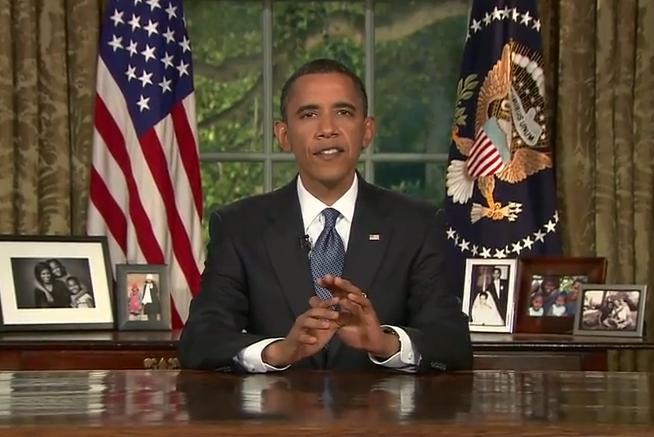
Barack Obama relied heavily on persuasion, media engagement and agenda-setting as informal powers
During his first term, Obama used speeches, televised addresses and public campaigning to build support for the Affordable Care Act (2010), directly appealing to voters to pressure wavering members of Congress
His rhetorical skills helped frame healthcare reform as a moral and economic necessity, demonstrating effective use of public persuasion
Obama exercised informal influence internationally through soft power, emphasising diplomacy, such as the Paris Climate Agreement (2015)
Informal powers limited by partisan polarisation
Republican control of Congress after 2010 restricted his legislative success, particularly on immigration and gun control
Obama increasingly relied on executive orders, including DACA (2012), highlighting both the strength and limits of informal power
Persuasion allowed Obama to shape debate, but sustained opposition reduced his ability to convert public support into legislative change
Case Study
Donald Trump (2017–2021)
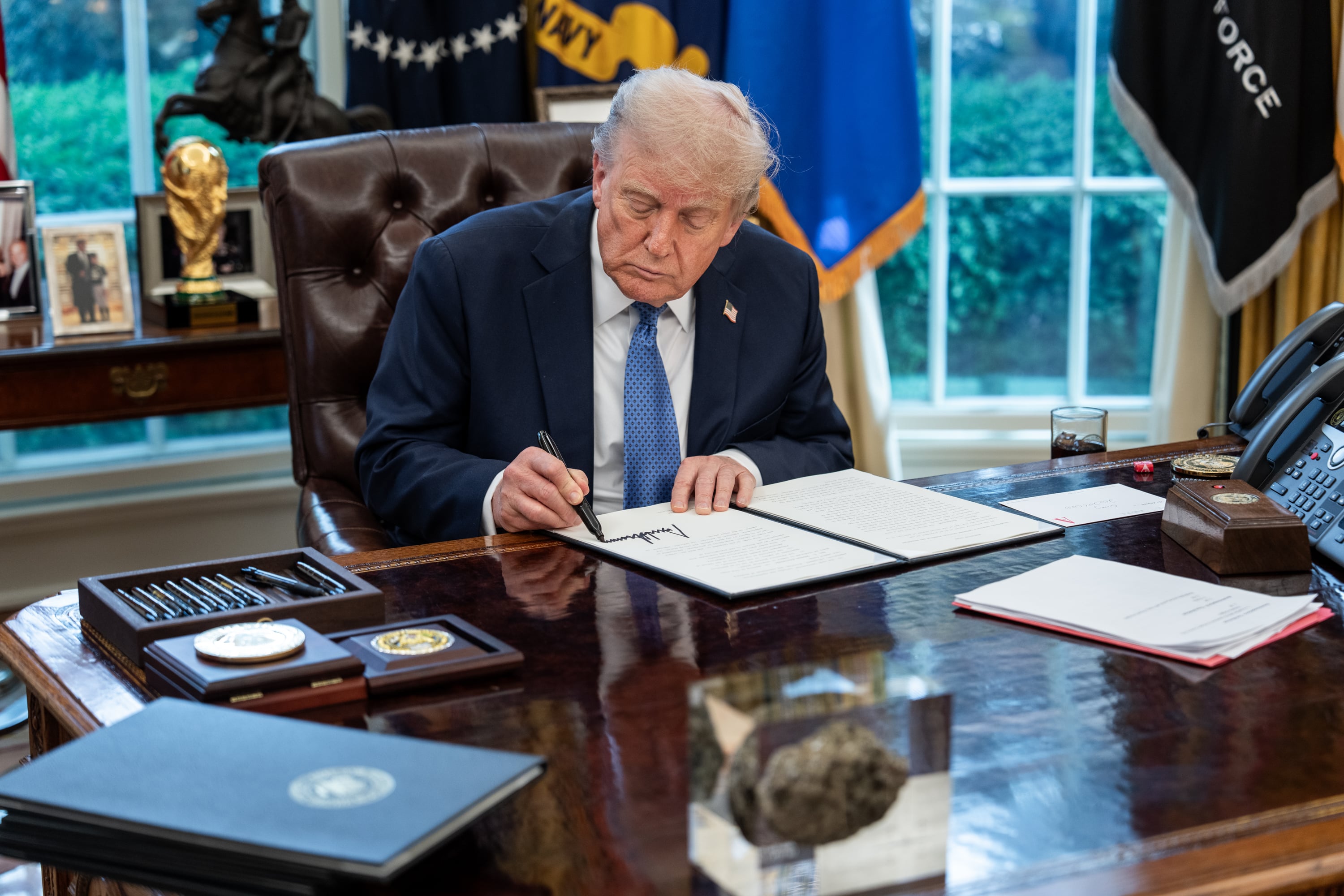
Donald Trump transformed the use of informal powers through direct communication and populist mobilisation, particularly via X
He bypassed traditional media to speak directly to supporters, using rallies and social media to pressure Congress and maintain party loyalty
This approach helped him secure Republican backing for the Tax Cuts and Jobs Act (2017) and the rapid confirmation of conservative judges, including three Supreme Court justices
Trump was able to frame issues such as the US-Mexico border wall as matters of national security, which allowed him influence even when Congress resisted
Informal powers as a weakness
His confrontational style increased polarisation, reduced bipartisan cooperation, and undermined trust in institutions
Media oversaturation and controversial rhetoric weakened his persuasive authority beyond his core supporters, limiting legislative success and contributing to two impeachments
This shows how informal power can mobilise supporters but also deepen political division
Case Study
Joe Biden (2021–2025)
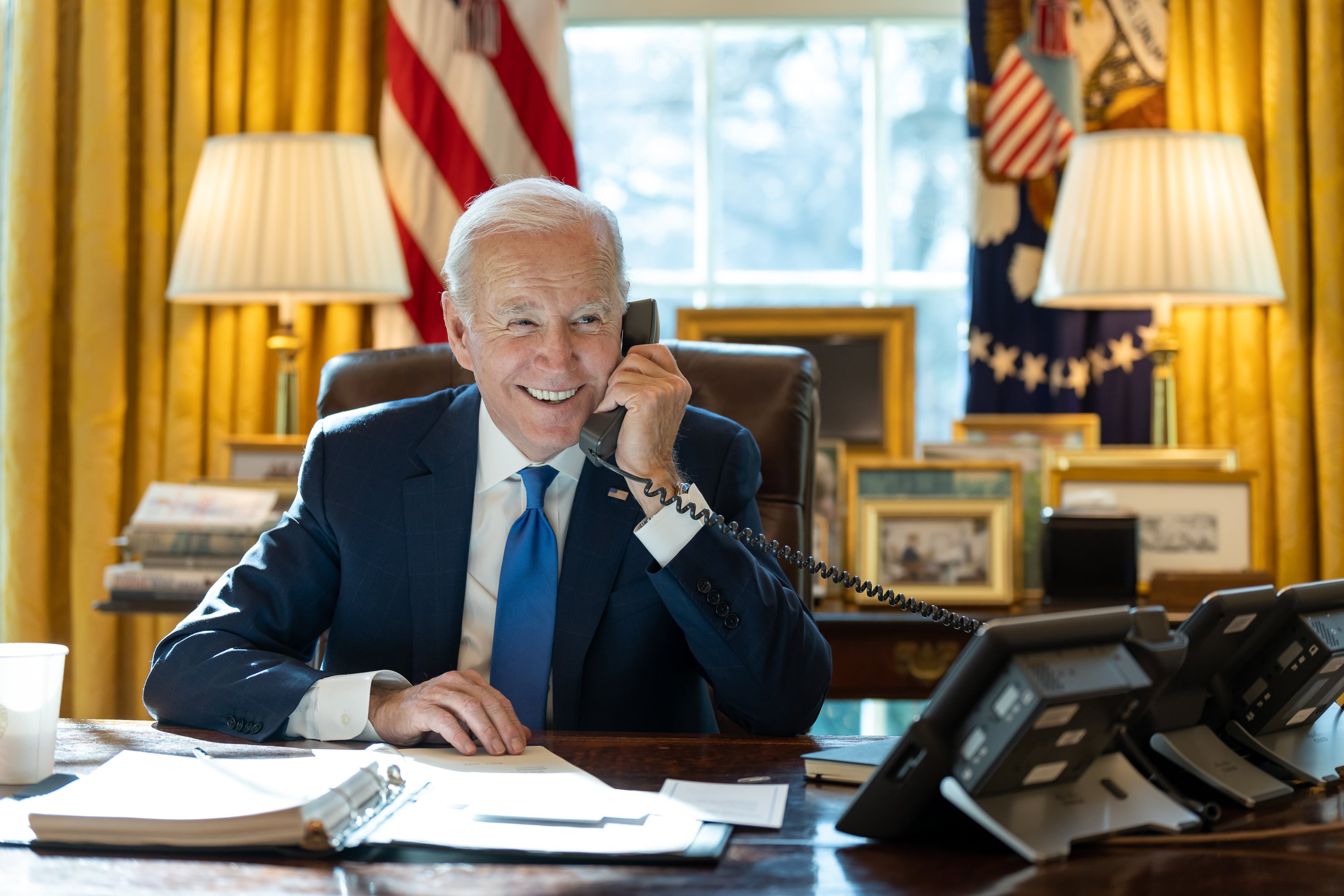
Joe Biden relied on coalition-building, moderation and executive action to exercise informal power.
Biden emphasised restoring norms and working across party lines, using behind-the-scenes persuasion to pass major legislation such as the Infrastructure Investment and Jobs Act (2021)
His appeal to experience and stability helped rebuild international alliances and reassert US leadership following the Trump presidency
Biden also used executive orders extensively in his first year, addressing COVID-19, climate policy, and immigration, demonstrating agenda-setting through informal means when Congress was divided
Informal powers weakened after the 2022 midterms
Public concern over inflation and foreign policy challenges limited his persuasive influence
Biden’s presidency highlights how informal power can be effective when combined with legislative negotiation, but remains constrained by electoral outcomes and public opinion

Unlock more, it's free!
Join the 100,000+ Students that ❤️ Save My Exams
the (exam) results speak for themselves:

Was this revision note helpful?
