Formal Sources of Presidential Power (Edexcel A Level Politics): Revision Note
Exam code: 9PL0

Optional unit
Examiner Tips and Tricks
For Component 3, students only study ONE route: USA Politics (3A) or Global Politics (3B)
The Constitution
The range of powers of the presidency is outlined in Article II of the US Constitution as the second most important branch of government after Congress
The power of a president is often a balance of their formal and informal powers
Formal powers | Informal powers |
|---|---|
|
|
The president as Head of Government
The president is both the head of state and head of government
This differs to the UK, where the monarch is technically the Head of State whilst the Prime Minister is the Head of Government
Head of State
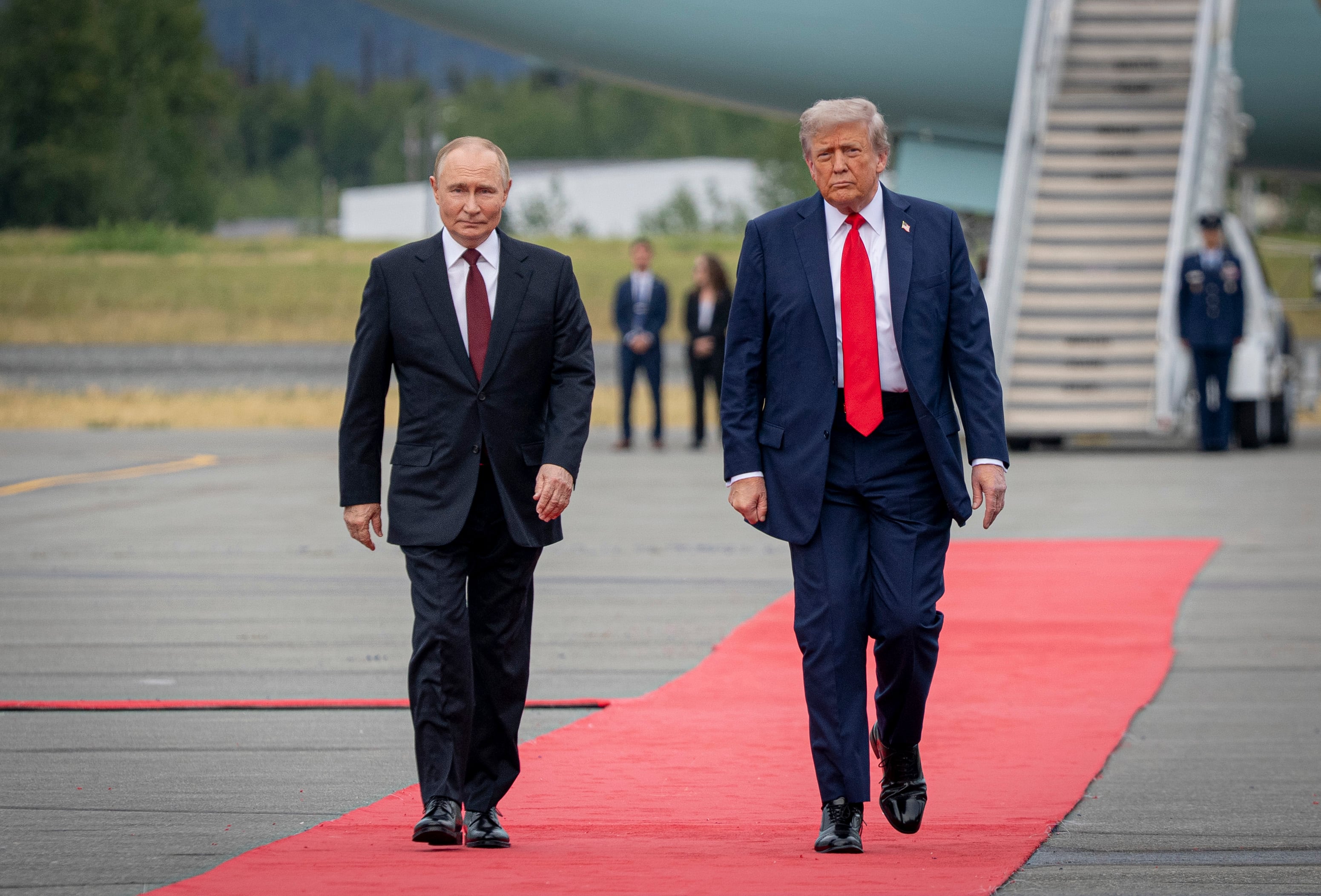
Represents the nation ceremonially
The president hosts foreign leaders, such as President Trump hosting President Putin in Alaska in 2025
Hosting them in the White House can also lend power to the president through the symbolism of the building
Representing the US internationally
The president represents the US in organisations such as NATO and the G7
Receiving ambassadors
By receiving ambassadors, the President recognises other nations with which the US is willing work with internationally
The power of the pardon
The President can pardon anyone of a US federal crime
E.g. In 2025, President Trump pardoned around 1600 people charged in relation to the insurrection at Congress on Jan 6, 2021
Head of Government
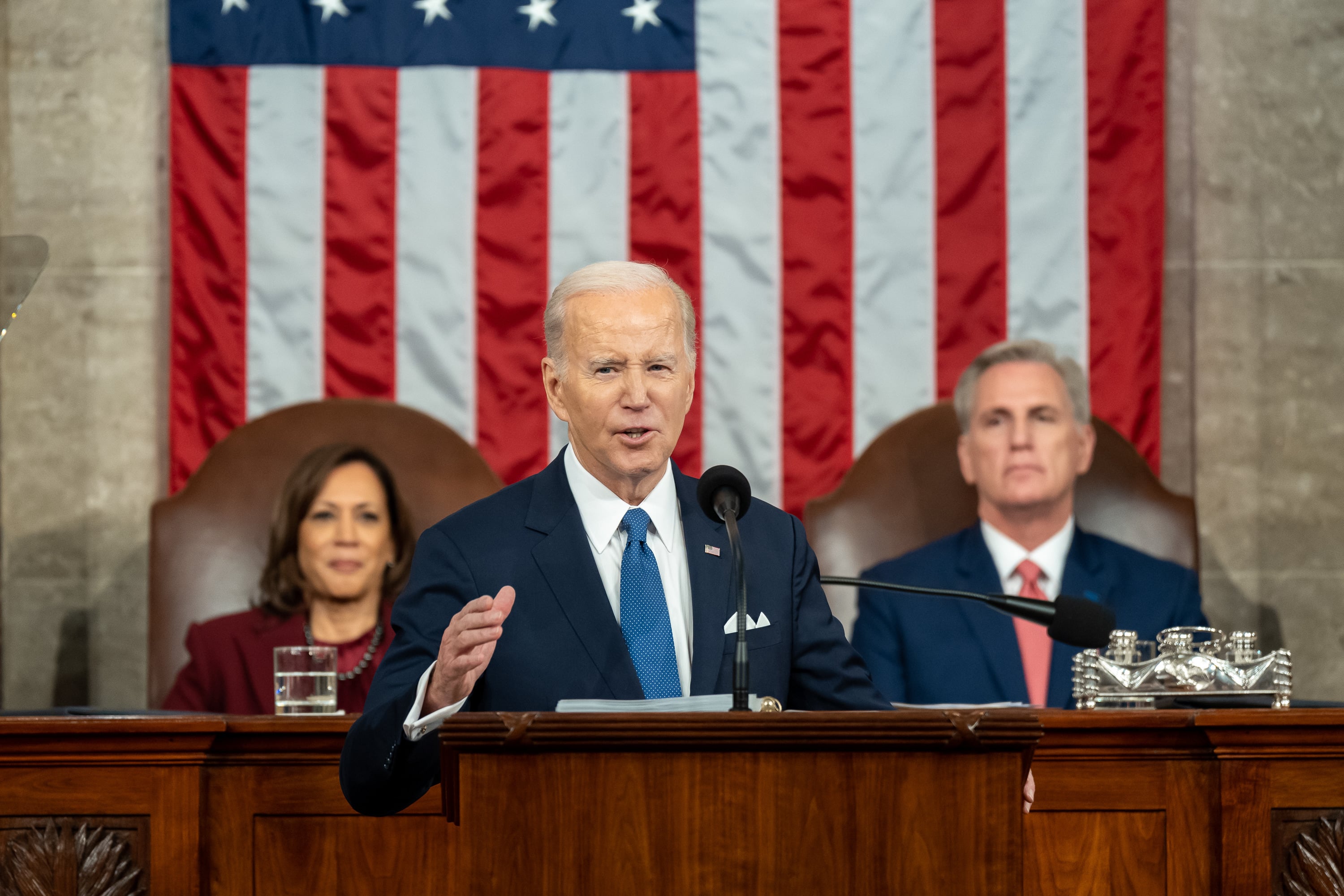
Legislative powers
The President can suggest legislation, for example at the State of the Union, and sign or veto legislation passed by Congress
E.g. President Biden directed the American Rescue Plan (2021) due the COVID-19 pandemic
Issuing executive orders
The president can issue executive orders which directs departments of government on how they would like a law from Congress to be implemented
Head of Government and Head of State
Commander-in-chief
As Commander-in-chief, the President is responsible for both protecting the US from external threats, preventing conflict between states, and leading military action overseas
Treaty negotiations
The president can negotiate treaties with foreign nations
These often have a direct domestic impact on the US
State of the Union address
The President addresses Congress annually about the state of the US and can use this opportunity to suggest legislation
Implications of the dual role
The dual role that the President holds allows flexibility
The president can inspire symbolically while also managing government operations
However, the distinction sometimes creates tension
For example, foreign crises may require head-of-state diplomacy while domestic policy demands head-of-government focus

Unlock more, it's free!
Join the 100,000+ Students that ❤️ Save My Exams
the (exam) results speak for themselves:

Was this revision note helpful?
