Globalisation & the State System (Edexcel A Level Politics): Revision Note
Exam code: 9PL0

The process of globalisation
Globalisation broadly refers to the interconnectedness and interdependence of multiple actors in the world today
Globalisation means that power and influence are shared between many elements
Decisions in one area can have wide political consequences
Because all these elements are connected, power is diffused, and no single actor fully controls global politics
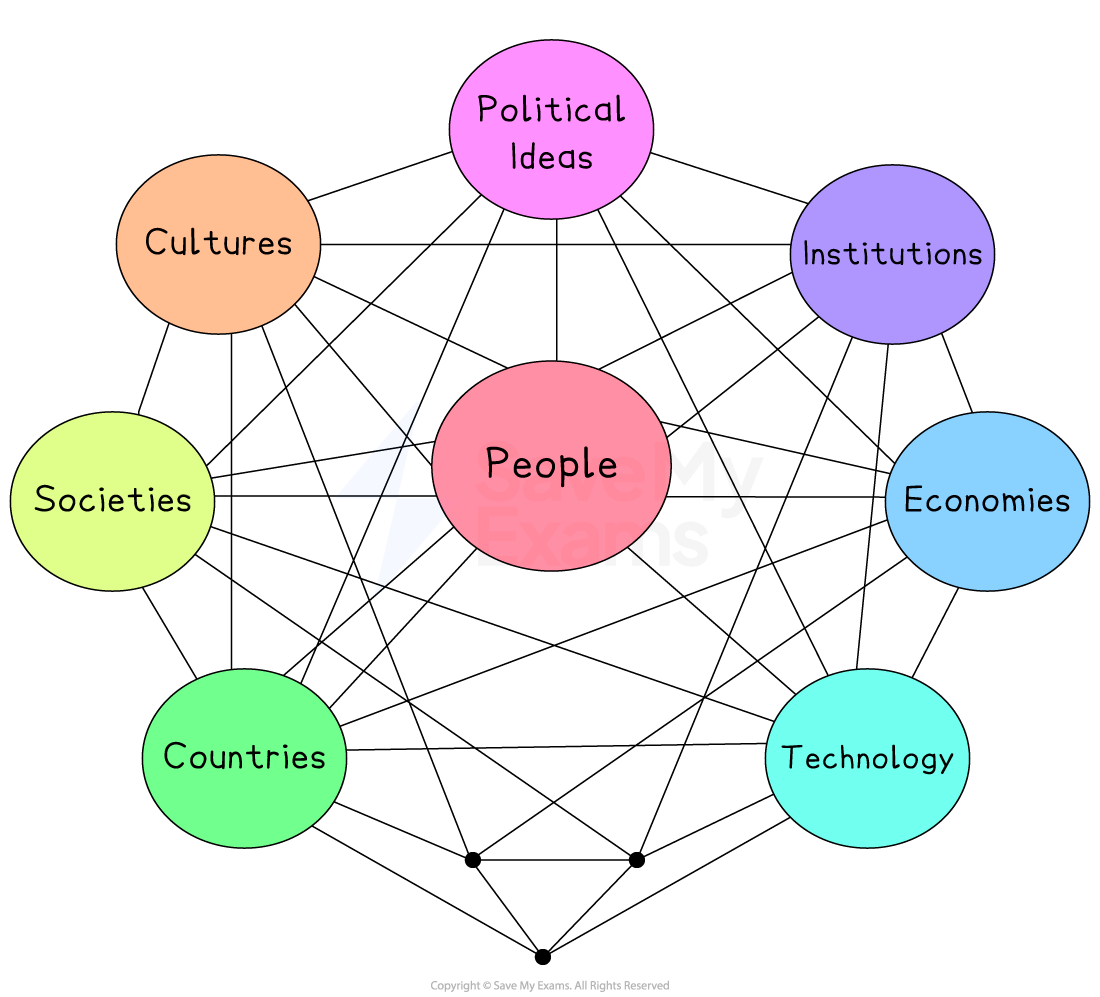
At the centre of globalisation are people
People matter politically because they act as citizens, voters, workers and activists
Their beliefs and behaviour influence governments, markets and political ideas
Societies and cultures shape political values, such as attitudes towards democracy, equality or authority
Political ideas, such as liberalism or nationalism influence how states respond to globalisation
Countries (states) remain important but do not act alone
Their sovereignty is influenced by global pressures
Institutions such as the United Nations, WTO, or IMF create rules that limit or guide state behaviour
Economies are interconnected through trade, investment and global supply chains
This reduces economic independence
Technology spreads information quickly, allowing ideas, protests and political movements to cross borders
Case Study
Globalisation and climate change action
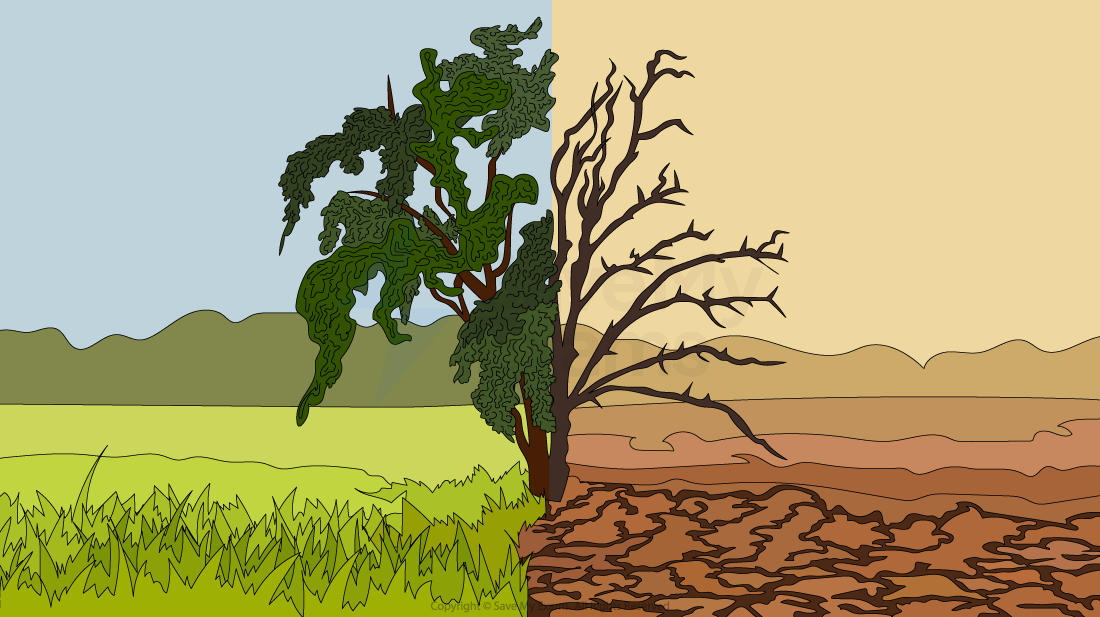
Climate change is a strong example of globalisation because it is a global problem that no single state can solve alone.
It shows how people, states, ideas, institutions, economies and technology are closely connected
People and societies
They influence climate policy through voting, protests and pressure groups, such as climate marches and environmental NGOs
Political ideas
Especially those related to environmentalism and sustainability shape how governments view climate responsibility and long-term policy goals
Countries cooperate through international agreements
Most notable is the Paris Climate Accord (2015), where states have committed to limiting global temperature rise
International institutions like the United Nations
These coordinate negotiations, monitor progress and provide forums for cooperation between states
Economies
These are affected by climate policies, including carbon taxes, renewable energy investment, and regulation of industries
Technology
This allows scientific data on climate change to be shared globally and enables activism through social media, increasing awareness and coordination across borders
Factors driving globalisation
Globalisation has increased rapidly in recent decades due to changes in technology, transport, people and international institutions
People
Since World War Two, people across the world have become more connected than at any point in history
Migration, tourism, international study, and global communication mean individuals regularly interact across borders
This has increased cultural exchange and political awareness of global issues
Technology
The development of the World Wide Web, alongside personal computers, smartphones and social media, has transformed global connectivity
Information, political ideas, news and activism now spread instantly across borders
This has reduced the importance of distance, making global cooperation easier
Transport
Improvements in land, sea and air transport have also driven globalisation
Container shipping, low-cost airlines, and faster logistics allow goods, services, and people to move efficiently around the world
This has increased trade and interdependence between states
International institutions
Finally, since 1945, liberal international institutions such as the United Nations, World Bank, IMF, and WTO have emerged
These institutions promote free trade, cooperation and economic development, based on the belief that globalisation helps maintain peace and stability by linking states together
How globalisation impacts the state system
The increased interconnectedness and interdependence of state and non-state actors has challenged the assumption that states alone are the most powerful actors in global politics for a range of reasons
States are economically interdependent with other states and multinational corporations
Informed citizens and nonstate actors may challenge laws and the authority of the state
Global and regional institutions promote international laws and standards of human rights
The state’s authority to exercise force over its citizens is increasingly challenged
Views on the impact of globalisation
Hyperglobalisers | Globalisation sceptics | Transformationalists |
|---|---|---|
|
|
|
Political theories and globalisation
Liberals | Realists |
|---|---|
|
|

Unlock more, it's free!
Join the 100,000+ Students that ❤️ Save My Exams
the (exam) results speak for themselves:

Was this revision note helpful?
