Political: United Nations (UN) (Edexcel A Level Politics): Revision Note
Exam code: 9PL0

Optional unit
Examiner Tips and Tricks
For Component 3, students only study ONE route: USA Politics (3A) or Global Politics (3B)
Origins and development of the UN
The UN is the key example of global governance
It came into being after the conclusion of World War 2 in 1945
The devastation of conflict inspired nation states to form an intergovernmental organisation (IGO)
This would promote peace, security, human rights and development
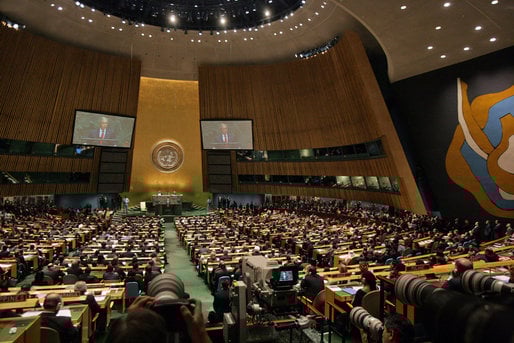
There are now 193 member states and two permanent non-member observer states (Palestine and Vatican City), representing almost every nation-state in the world
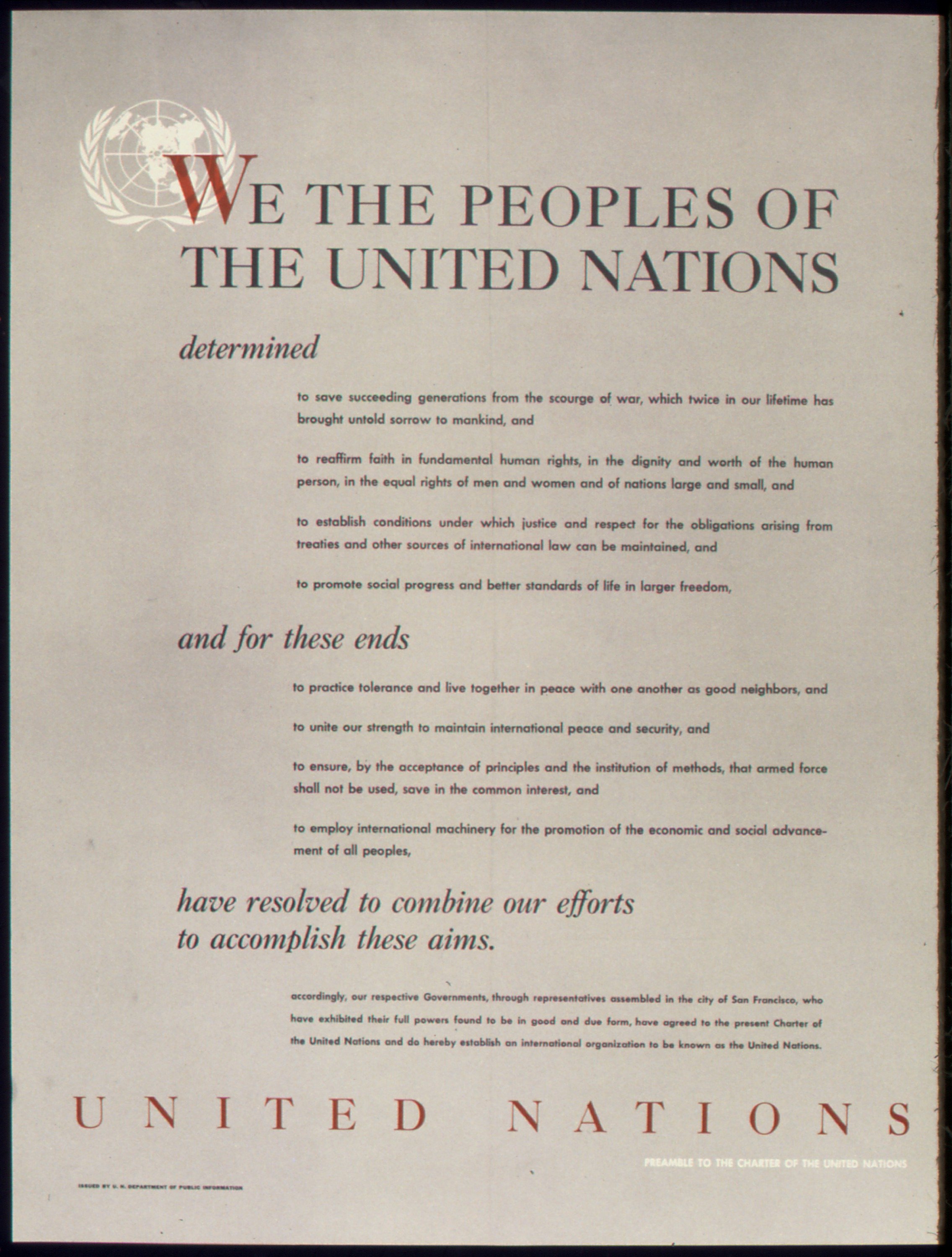
The United Nations Charter outlines the rights and obligations of all member states to uphold the mission of the UN
IGOs focused on global governance and promoting a stable, secure and prosperous global society are plentiful
In our globalised world these actors are constantly interacting with each other and other non-state actors
It is important to remember that IGOs are made up of states who claim to be working toward the greater good but whose actions need to be critically evaluated
The role and significance of the UN
The central structure of the UN includes a range of significant bodies
1. The UN General Assembly
The UN General Assembly is the main forum of the United Nations
Every member state is represented and has a vote
All countries, regardless of size or power, formally have an equal voice in discussions
Role
The General Assembly discusses issues related to peace and security and provides a space for international debate on global problems
It can recommend courses of action to solve concerns, such as passing resolutions that express the views of the international community
These recommendations are not legally binding
It also plays an important role in the organisation of the UN
It elects non-permanent members of the Security Council, members of the Economic and Social Council, and judges of the International Court of Justice
Evaluation of its role
Strengths | Weaknesses |
|---|---|
|
|
2. The UN Security Council
The UN Security Council is the most powerful body within the United Nations
The “big five” nations at the conclusion of World War 2 were the USA, the United Kingdom, France, Russia and China
These nations are the permanent and most powerful members of the UN
They have veto power, meaning one permanent member can stop any resolution (action), even if all other members support it
There are ten further non-permanent members of the Security Council
These serve for two years in rotation and do not have veto power
They represent different regions of the world but have less influence than permanent members
Role
Although the General Assembly can recommend taking action, only the Security Council can make resolutions into international law
Its primary purpose is to promote peace and security, and it is the only UN body that is allowed to authorise the use of force
In times of crisis and conflict, the Security Council is expected to respond, for example, by approving peacekeeping missions or sanctions
Evaluation of its role
Strengths | Weaknesses |
|---|---|
|
|
3. The Economic and Social Council
The Economic and Social Council (ECOSOC) is made up of 54 nation states that are elected as members for three-year terms
These members represent different regions of the world
Role
The council is concerned with economics and social affairs that promote economic and human development
This includes issues such as poverty reduction, education, health and sustainable development
ECOSOC works with other UN bodies and specialist agencies to coordinate international efforts to improve living standards around the world
Evaluation of its role
Strengths | Weaknesses |
|---|---|
|
|
4. The International Court of Justice
The International Court of Justice (ICJ) is the principal judicial organ of the United Nations
It is located in The Hague, Netherlands, and is made up of 15 judges, each of whom serves a nine-year term
Role
The Court aims to prevent conflict by settling disputes between states concerning issues such as boundary disputes, both on land and at sea, and infringement of sovereignty
Only states, not individuals, can be parties to cases before the Court
The International Court of Justice also provides legal advice to the UN and its agencies
This advisory role helps clarify international law and guides the actions of other UN bodies
Evaluation of its role
Strengths | Weaknesses |
|---|---|
|
|
Case Study
The ICJ and obligations under the Paris Agreement
The Paris Agreement, which aimed to substantially reduce global greenhouse gas emissions, was signed and ratified in 2015 by 194 states and the European Union
States committed to limiting global temperature rise to 1.5°C above pre-industrial levels, in order to reduce the risks and impacts of climate change

To respect state sovereignty, each country was allowed to set its own national plans and measurable targets for reducing emissions, rather than following a single imposed policy
However, by 2025, global emissions were still rising, and the USA, one of the world’s largest polluters, had withdrawn from the agreement
The ICJ's role
In July 2025, the UN General Assembly referred a case to the International Court of Justice (ICJ)
The General Assembly asked the ICJ to clarify the legal obligations of states under the Paris Agreement
In particular, the Court was asked to determine whether states that had supported the agreement were still legally bound by its commitments, despite rising emissions and state withdrawals
This request took the form of an advisory opinion, rather than a binding judgment against a specific state
The outcome
The ICJ ruled that the 1.5°C temperature target in the Paris Agreement is legally binding
All states, especially the largest emitters, must take immediate action to reduce emissions in line with scientific evidence
The ruling clarified states’ legal obligations but did not include enforcement powers

Unlock more, it's free!
Join the 100,000+ Students that ❤️ Save My Exams
the (exam) results speak for themselves:

Was this revision note helpful?
