Regionalism: Current Debates (Edexcel A Level Politics): Revision Note
Exam code: 9PL0

Regionalism and globalisation
Whether or not regionalism and globalisation work well together is a hotly-debated topic
Regionalisation complements globalisation | Regionalism is in opposition to globalisation |
|---|---|
|
|
Political regionalism and regional governance
Political regionalism refers to states within one region working together to address political challenges and political challenges and concerns
Prospects for political regionalism
Political regionalism can provide an opportunity for smaller states to unite and increase their collective power in larger global political arenas such as the United Nations
Although states may share geographical or cultural characteristics, they may differ significantly on policies or approaches
In a smaller group divisions can lead to ineffectiveness
Prospects for regional governance
Regional governance can lead to greater cooperation in addressing specific cross-border issues impacting states
E.g. Armed resistance groups or infectious disease
Regional governance can strengthen the preservation of language, culture and history
The impact on state sovereignty
Regionalism impacts state sovereignty in several ways
By pooling sovereignty states cannot control all decision-making and must compromise
In some cases states do not have full control over laws and the movement of people across their borders
This contradicts the basic definition of state sovereignty
In a democratic state citizens should have political agency and may resent decisions approved by regional governance bodies
Identities and cultural characteristics of states may be eroded
Case Study
The European Union and State Sovereignty
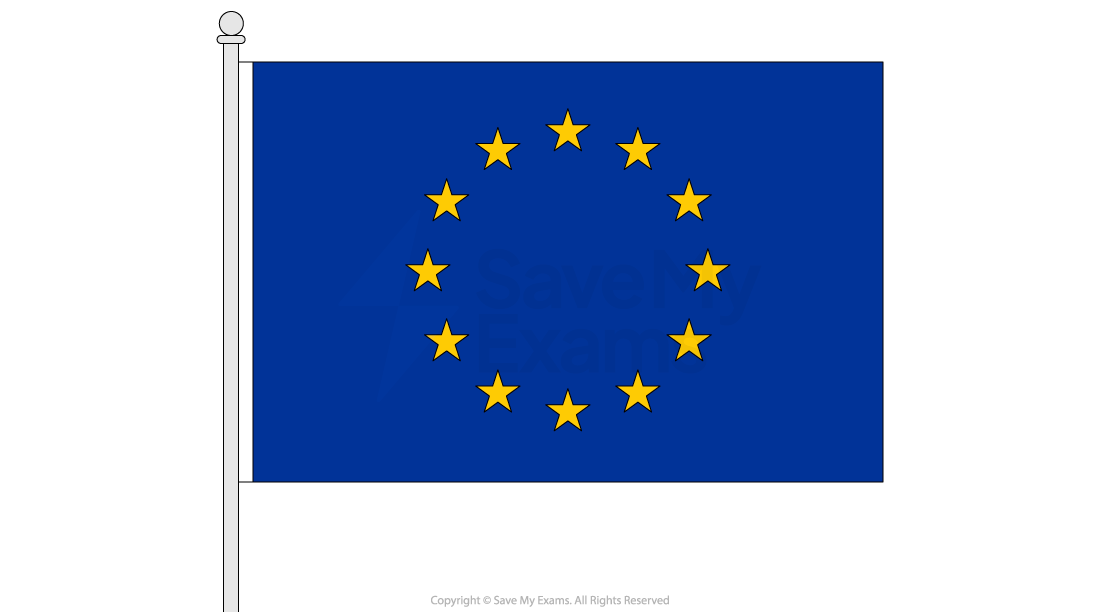
The European Union (EU) is a regional organisation that promotes economic and political cooperation between European states
Member states agree to pool sovereignty to achieve shared benefits such as free trade and stability
The EU shows how regionalism can limit state sovereignty by reducing national control over laws, borders, democratic accountability and identity, despite delivering economic benefits
Pooling sovereignty
EU member states accept supranational decision-making, particularly by the European Commission and the European Court of Justice (ECJ)
As EU law can override national law, states lose full control over some policy areas
Laws and borders
Participation in the Single Market includes free movement of people
This limits national control over immigration and borders, challenging the idea that states have complete authority over their territory
Democratic accountability
The EU is often criticised for a democratic deficit
Citizens may feel disconnected from decisions made by EU institutions, reducing perceived political agency in democratic states
Identity and culture
Some critics argue that EU integration weakens national identity, as shared laws and policies can erode distinctive political traditions

Unlock more, it's free!
Join the 100,000+ Students that ❤️ Save My Exams
the (exam) results speak for themselves:

Was this revision note helpful?
