Realism, Liberalism & Global Politics (Edexcel A Level Politics): Revision Note
Exam code: 9PL0

The state and globalisation
Case Study
The Global Pandemic
The SARS-CoV-2 pandemic originated in China in late 2019 but quickly spread across the world
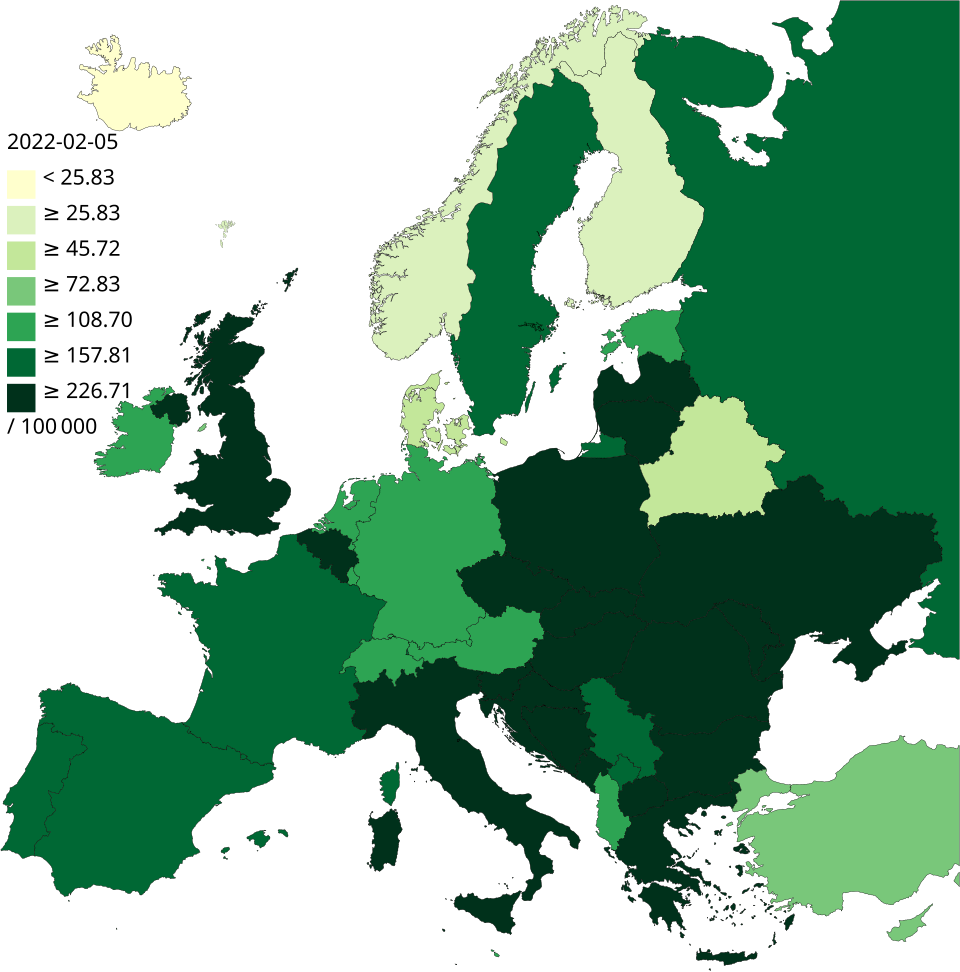
Timeline
On January 30th 2020, the World Health Organisation (WHO) declared the rapid spread of the disease a public health emergency of international concern
On March 11th, a global pandemic was announced
Vaccine research was conducted immediately
In December 2020 a vaccine was made available through international agencies co-led by the WHO
The WHO advised states to protect citizens by enforcing travel restrictions, lockdown, mandating masks and other measures
Misinformation quickly spread through social media
Impacts
Devastating global impacts included
Tourism collapsed
Businesses were forced to close
Millions of jobs were lost
The global supply chain of goods and services was severely disrupted
Disruption of food supply systems resulted in shortages and price increases
Over 7 million people died globally
Theoretical explanations
The global pandemic can be examined through the contrasting lenses of Realism and Liberalism
Realist perspective | Liberal perspective |
|---|---|
|
|
Global governance: political and economic
Realism and liberalism offer contrasting interpretations of global governance
They disagree over whether political and economic cooperation meaningfully constrains state behaviour
Political global governance
Realist view
Realists argue that true global governance does not exist because there is no authority above the state
States only participate in international institutions when it serves their national interest
Powerful states can ignore international rules without serious consequences
E.g. The USA has a low rate of acceptance of international human rights laws, supporting the realist view that states prioritise sovereignty over global rules
Liberal view
Liberals argue that the world is interconnected and interdependent, requiring shared rules and cooperation.
Global governance is seen as a rules-based international order upheld by a community of states
E.g. The United Nations has 193 member states, demonstrating widespread acceptance of political global governance.
Economic global governance
Realist view
Realists argue there is no overarching authority in global economic governance
International economic institutions are often viewed as tools of powerful states
Their interventions can cause harm by interfering in domestic economies
E.g. In Ghana, World Bank Structural Adjustment Programmes (SAPs) are widely criticised for increasing debt, poverty and inequality
Liberal view
Liberals argue that economic development and stability depend on cooperation and reduced trade barriers
Economic global governance is seen as essential for managing interdependence and preventing crises
E.g. The IMF’s bailout of Greece (2010–2018) helped prevent economic collapse and wider damage to the European economy.
Global governance: human rights and environmental
Human rights
Realism and liberalism offer contrasting perspectives on humanitarian intervention and the Responsibility to Protect (R2P)
In particular, they disagree over whether breaching state sovereignty can ever be justified to prevent severe human rights abuses
Liberal viewpoint on humanitarian intervention | Realist viewpoint on humanitarian intervention |
|---|---|
|
|
Environmental issues
Liberalism and realism offer contrasting interpretations of environmental security
Liberals emphasise global cooperation and governance
Realists focus on state survival, competition and self-interest
Liberal viewpoint | Realist viewpoint |
|---|---|
|
|
Power and developments
China’s rapid rise as a global power can be interpreted in very different ways
Realism and liberalism offer contrasting explanations of its development, motivations and impact on the international system
Case Study
China’s rise as a global power
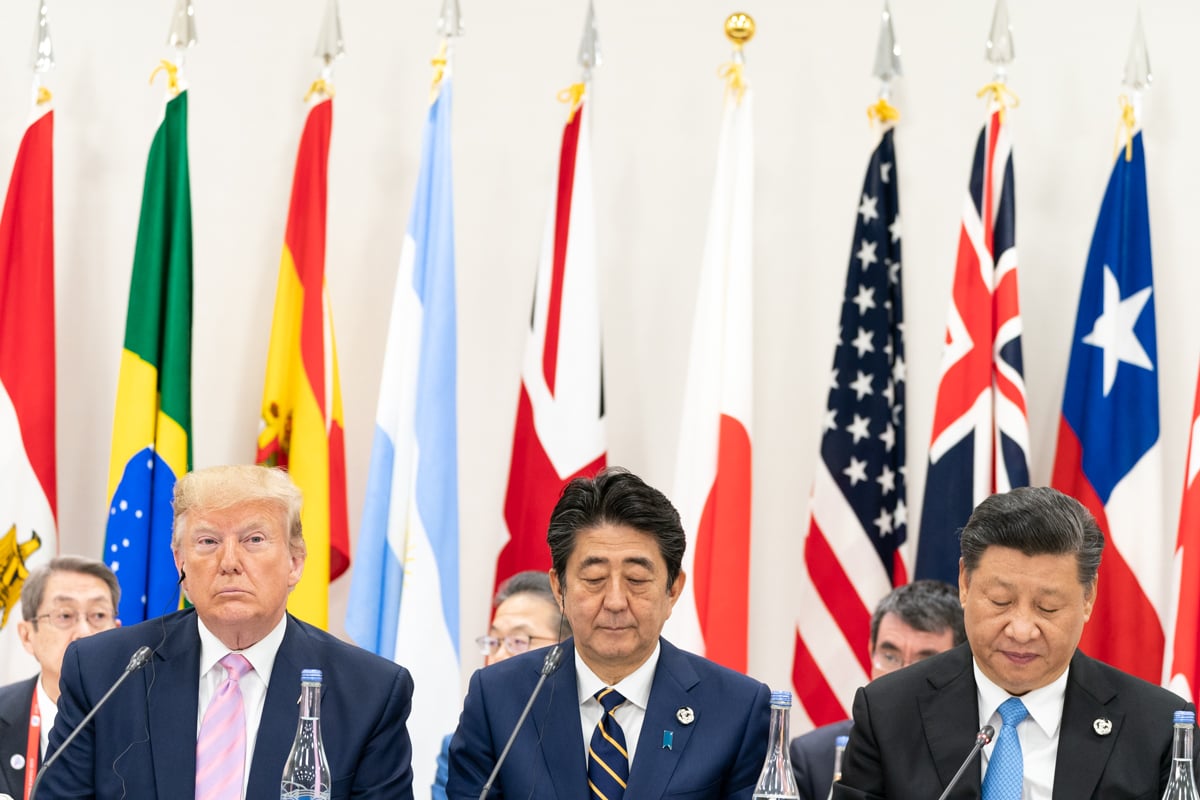
In 1949, China experienced a communist revolution, driven by underdevelopment and social inequality
Western democratic states were wary of communism but did not view China as a major threat due to its limited power and influence
Integration into the global economy
In 2001, China joined the World Trade Organisation (WTO), marking a major shift towards global economic integration
Throughout the 2000s, China’s GDP grew steadily
Industrial output expanded rapidly, leading China to be described as the world’s factory
Between 2006 and 2010, China’s economic growth began to rival established global economies
Expansion of global influence
In 2013, China launched the Belt and Road Initiative (BRI), a large-scale infrastructure and investment project spanning Asia, Africa and Europe
China later became the world’s largest economy by purchasing power parity (PPP), overtaking the USA
Consolidation of power
In 2017, President Xi Jinping declared a New Era, emphasising innovation, global influence and national rejuvenation
China has increasingly asserted itself within global governance institutions, including the UN Security Council, where it holds permanent member status
Competing interpretations of China’s rise
Realist perspective | Liberal perspective |
|---|---|
|
|
Regionalism and the EU
The European Union (EU) embodies European regionalism yet not all European countries have joined
Case Study
Norway and the EU
Norway is not an EU member and it has voted against joining twice
Energy security and Arctic stability are issues of increasing concern to the EU, indicating the EU needs Norway, but Norway does not need the EU
Gas pipelines crossing the North Sea have become Europe’s lifeline since Russia’s invasion of Ukraine.
Norway is now the EU’s largest and most reliable supplier of natural gas
It is a founding member of NATO and relies on this for security
It has adopted EU economic legislation from environmental standards to human rights policies
Norway and the EU are interdependent in many ways economically but it chooses to remain an independent state
Why has Norway decided to remain outside of the EU?
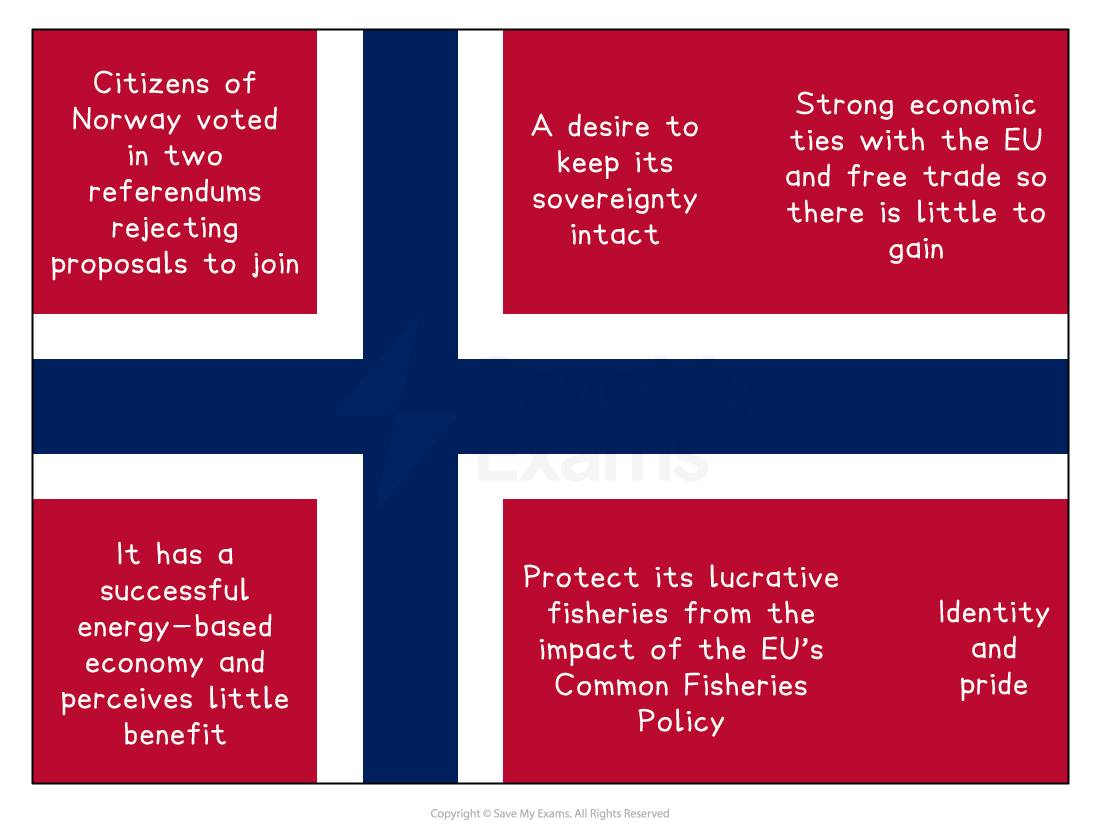
Liberal interpretation of Norway’s relationship with the EU
Despite not joining the EU Norway is not an isolated state
It has many connections including free trade with this regional governance institution
Additionally, Norway is a founding member of NATO
This supports the view that states thrive with interconnectedness and globalization.
Realist interpretation of Norway’s relationship with the EU
Although the EU has seen a steady increase in membership since 2000, realists argue that unless there are clear economic or security benefits, a state will not be interested in joining regional governance institutions
Norway is a clear illustration of this belief

Unlock more, it's free!
Join the 100,000+ Students that ❤️ Save My Exams
the (exam) results speak for themselves:

Was this revision note helpful?
