Advocates for Change (DP IB Global Politics): Revision Note

Social movements
Social movements are groups of people who have very specific concerns about how society is functioning, often with specific concerns about social justice
Their aim is to change the attitudes of the general population and to bring their concerns to the attention of the government
Social moments often originate following a crisis linked to societal injustice
In states that value freedom of expression, social movements can operate freely and conduct social media campaigns and public demonstrations
In states that oppress freedom of expression, social movements exist but are more cautious and, often, secretive
Some social movements spread across the world, particularly through social media, although they may have started at a local level
Case Study
Black Lives Matter (BLM)
Black Lives Matter is a global non-violent protest movement that campaigns against racism and police brutality
Although it began in the United States in 2013, it spread across the world after the killing of George Floyd in 2020
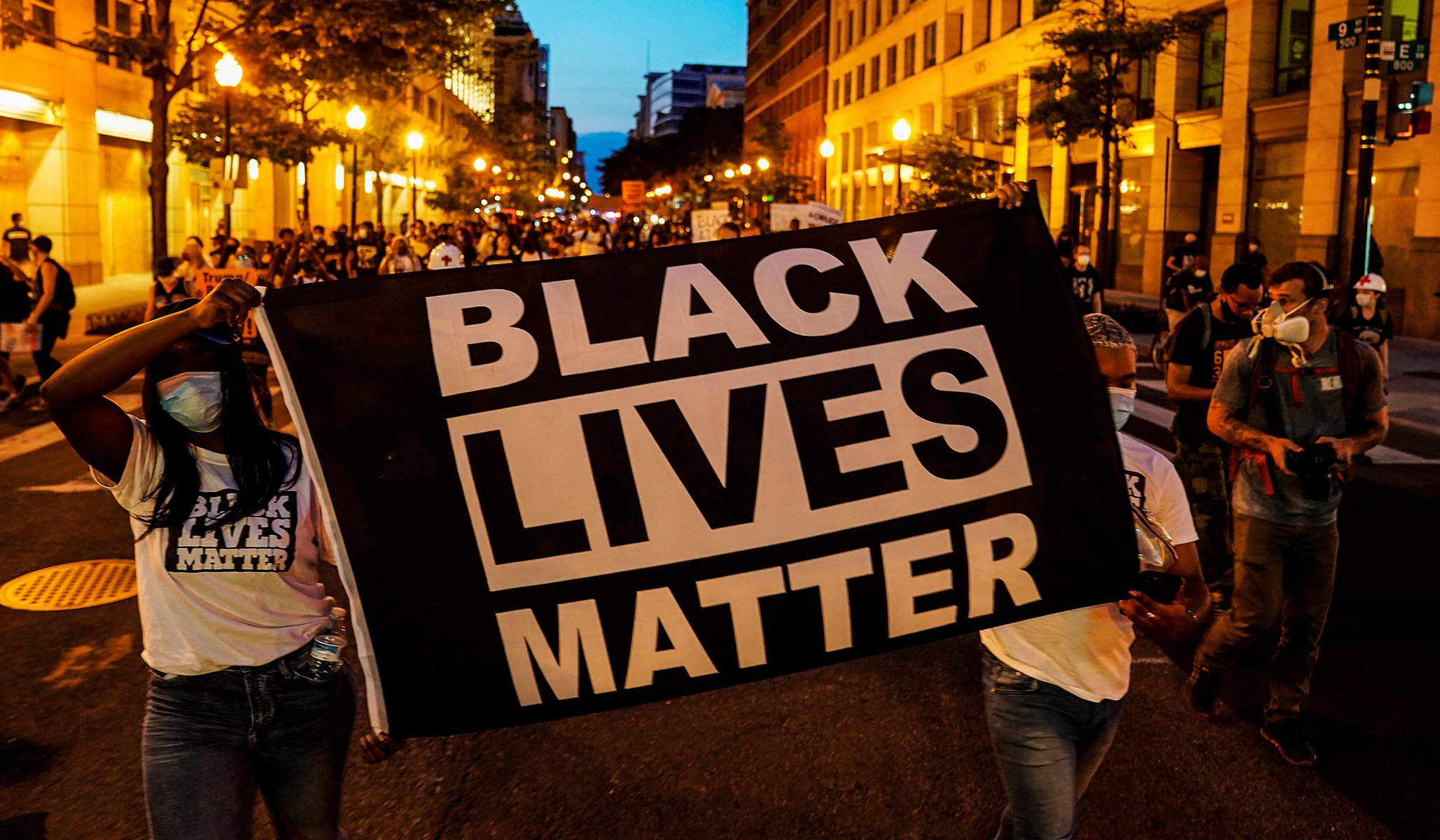
Millions of people took part in peaceful marches and demonstrations in countries including the United States, the United Kingdom, Canada and Australia
Protesters used non-violent methods such as rallies, speeches and online campaigns to raise awareness of racial inequality
The movement has influenced public debate worldwide and led to discussions about policing, racism and social justice in many countries
Non-violent resistance movements
These groups share specific concerns, but, as their name suggests, they are in opposition to the government or its laws
They believe that the only way to truly improve society is to replace or alter the existing government structures – using non-violent means
Non-violent resistance groups are generally accepted in states where freedom of expression is guaranteed
Case Study
The Farmers’ Protest Movement (India, 2020–2021)
In 2020, thousands of farmers in India began a non-violent protest against new agricultural laws introduced by the government
Farmers believed the reforms would reduce their income and give large corporations too much control over agriculture
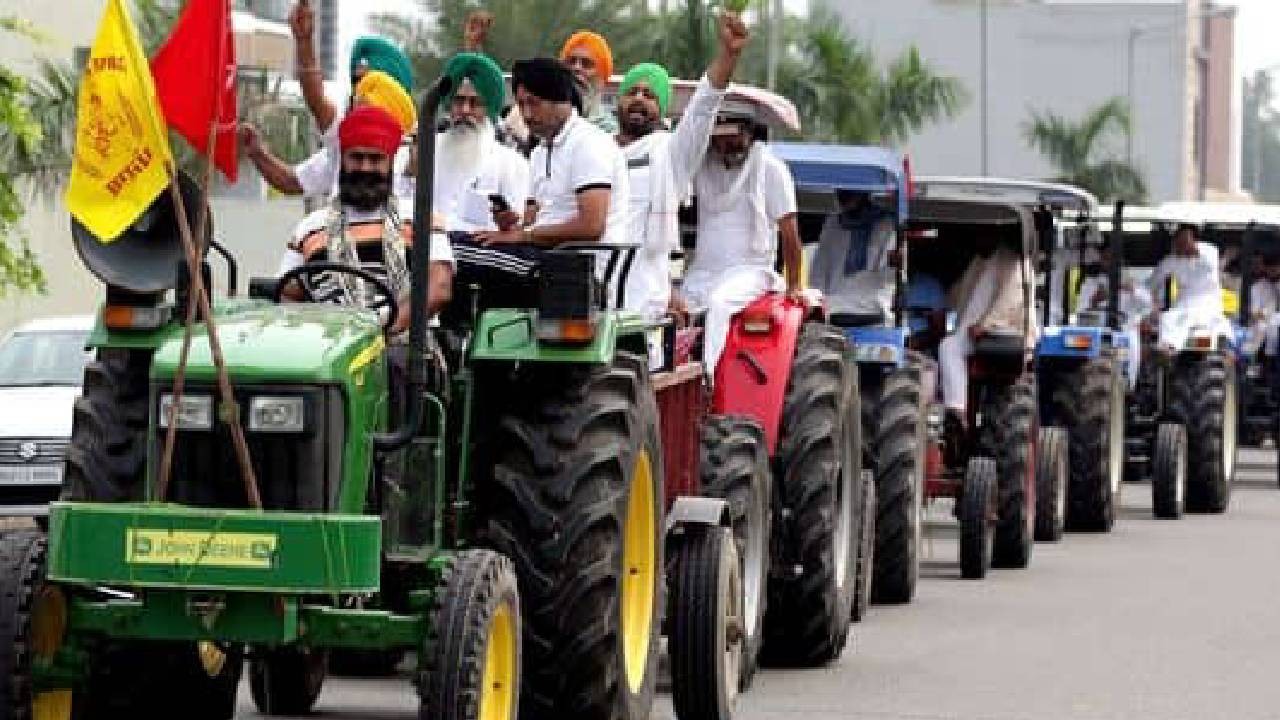
Farmers organised peaceful marches, sit-ins and large protest camps, especially around the capital city, New Delhi
The movement lasted for more than a year and attracted national and international attention.
In 2021, after continued peaceful protests and public pressure, the Indian government agreed to repeal the farm laws
The movement is widely seen as a successful example of modern non-violent resistance.
Examiner Tips and Tricks
There are many well-known non-violent resistance movements in history, but all examples you use in the examination must come from your lifetime
Violent resistance movements
Some groups share specific concerns, but are willing to use violence to achieve their goals
Violent resistance groups are sometimes classified as terrorists
They are unwelcome and actively oppressed in all states as they challenge the authority of the state government and bring instability
Some argue that violence is the only way to bring about change, particularly if it is in opposition to a violent and corrupt government
Others argue that by using violence a resistance group immediately loses all legitimacy
Violent resistance groups rarely succeed on their own
if they manage to overthrow or significantly alter a government, what follows is a government often more violent and corrupt than the one it replaced
Case Study
The Taliban in Afghanistan
The Taliban is a militant group that used violent resistance to oppose the Afghan government and international forces after 2002
During this period, the Taliban carried out an insurgency against what they viewed as a weak and foreign-supported government
In 2021, after the withdrawal of US and NATO forces, the Taliban quickly took control of Afghanistan and formed a new government
Since then, there have been widespread reports of corruption and serious human rights abuses
Women and girls have faced particularly strict restrictions on education, employment and public life
Due to these conditions and broader political repression, the NGO Freedom House has described Afghanistan as one of the least free countries in the world
Other currently active violent resistance movements include:
Islamic State and its affiliates
Active in Africa, Middle East and Central Asia but recruiting globally online
Lord’s Resistance Army
Active in Uganda, Democratic Republic of Congo, South Sudan and the Central African Republic

Unlock more, it's free!
Join the 100,000+ Students that ❤️ Save My Exams
the (exam) results speak for themselves:

Was this revision note helpful?
