States & Governments (DP IB Global Politics): Revision Note

Characteristics of a state
States are arguably the most important actors in global politics
They have a range of special characteristics:
Clearly defined borders which are recognised by other states and actors
Control over the people and territory inside those borders and who enters or leaves them
A permanent population
A government, justice system and control over the currency and economy
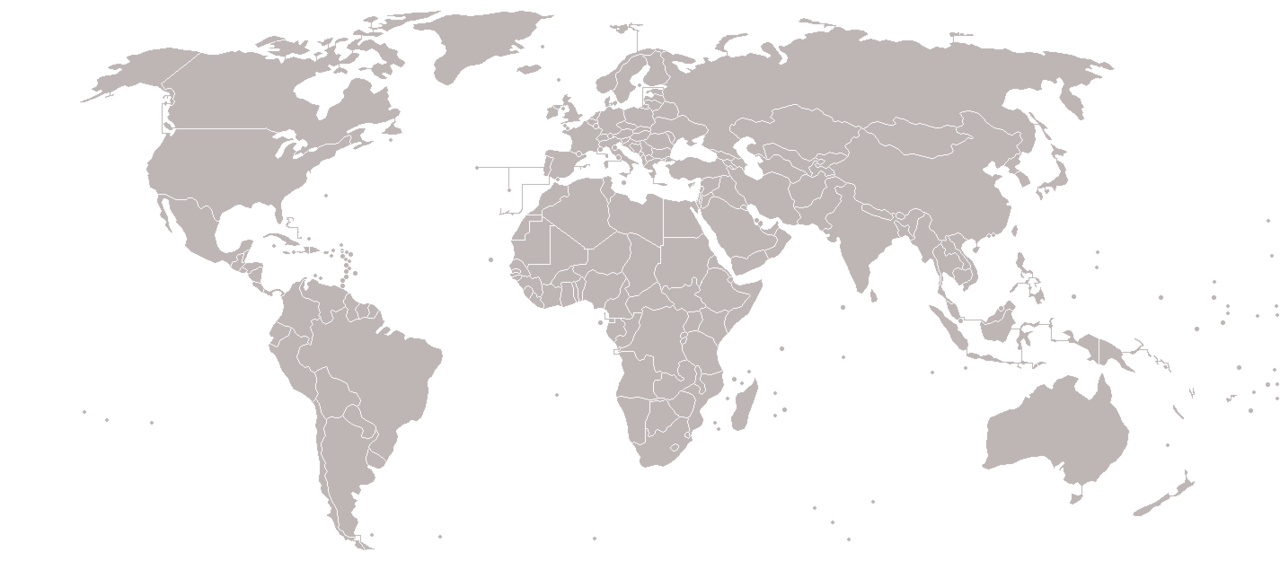
The United Nations currently recognizes 206 states
Characteristics of national governments
National governments are the central or main leadership group within the state
These governments can have distinct characteristics due to their ideology or method of rule
Types of national governments
Type | Explanation | How common? |
|---|---|---|
Communism |
|
|
Socialism |
|
|
Centre Left |
|
|
Centre Right |
|
|
Nationalist |
|
|
Fascist |
|
|
Characteristics of sub-national governments
National governments play the biggest role in global politics
However, states could not function without sub-national governments overseeing the day-to-day operations of the state
Sub-national governments at different levels
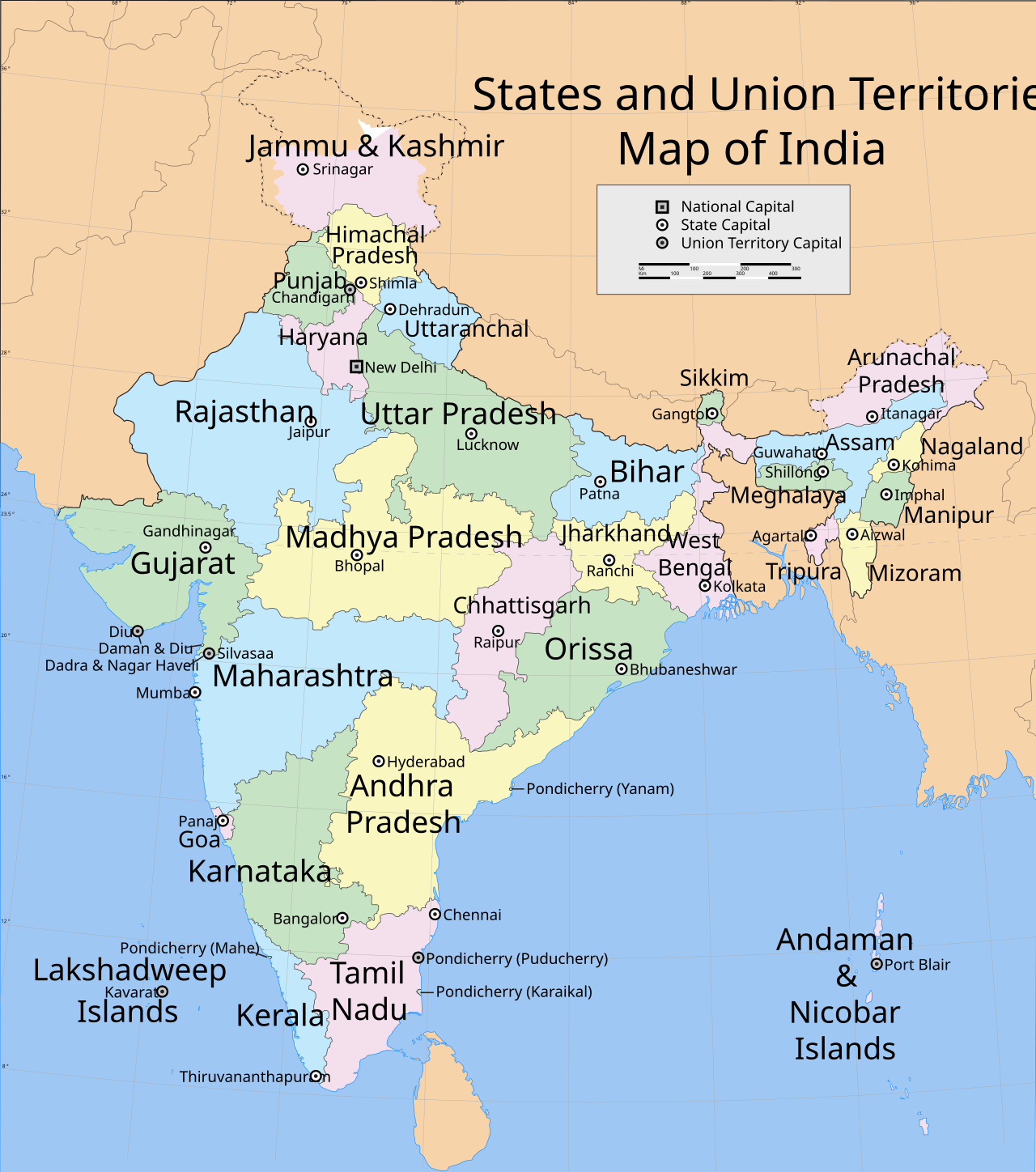
The state may be divided into geographic regions, each with its own sub-national government, as seen in India
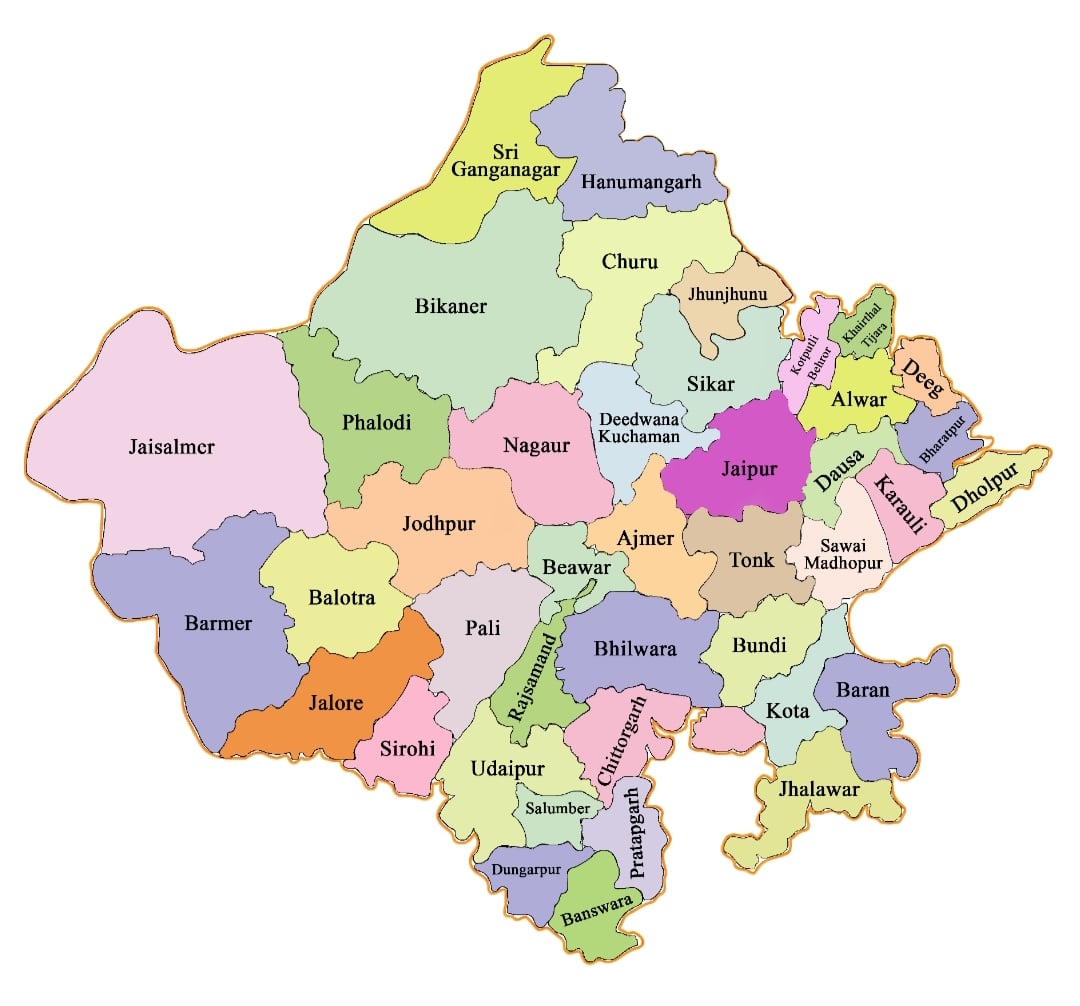
Even within these regions there can be further layers of government administration, as seen in this map of Rajasthan, India

Unlock more, it's free!
Join the 100,000+ Students that ❤️ Save My Exams
the (exam) results speak for themselves:

Was this revision note helpful?
