Elizabeth I & Court (OCR GCSE History B (Schools History Project)): Revision Note
Exam code: J411

Summary
In Elizabethan England, power, wealth and influence were mostly inherited. However, who filled the most important positions in England was decided by the Queen. This system was known as patronage and she selected her favourites from the people who travelled with her and surrounded her - known as the Royal Court. The most influential of these people were appointed to the Privy Council, which was headed by the Secretary of State - Elizabeth's most trusted and influential advisor.
Patronage
Elizabethan society was structured in a strict hierarchy where everyone knew their place
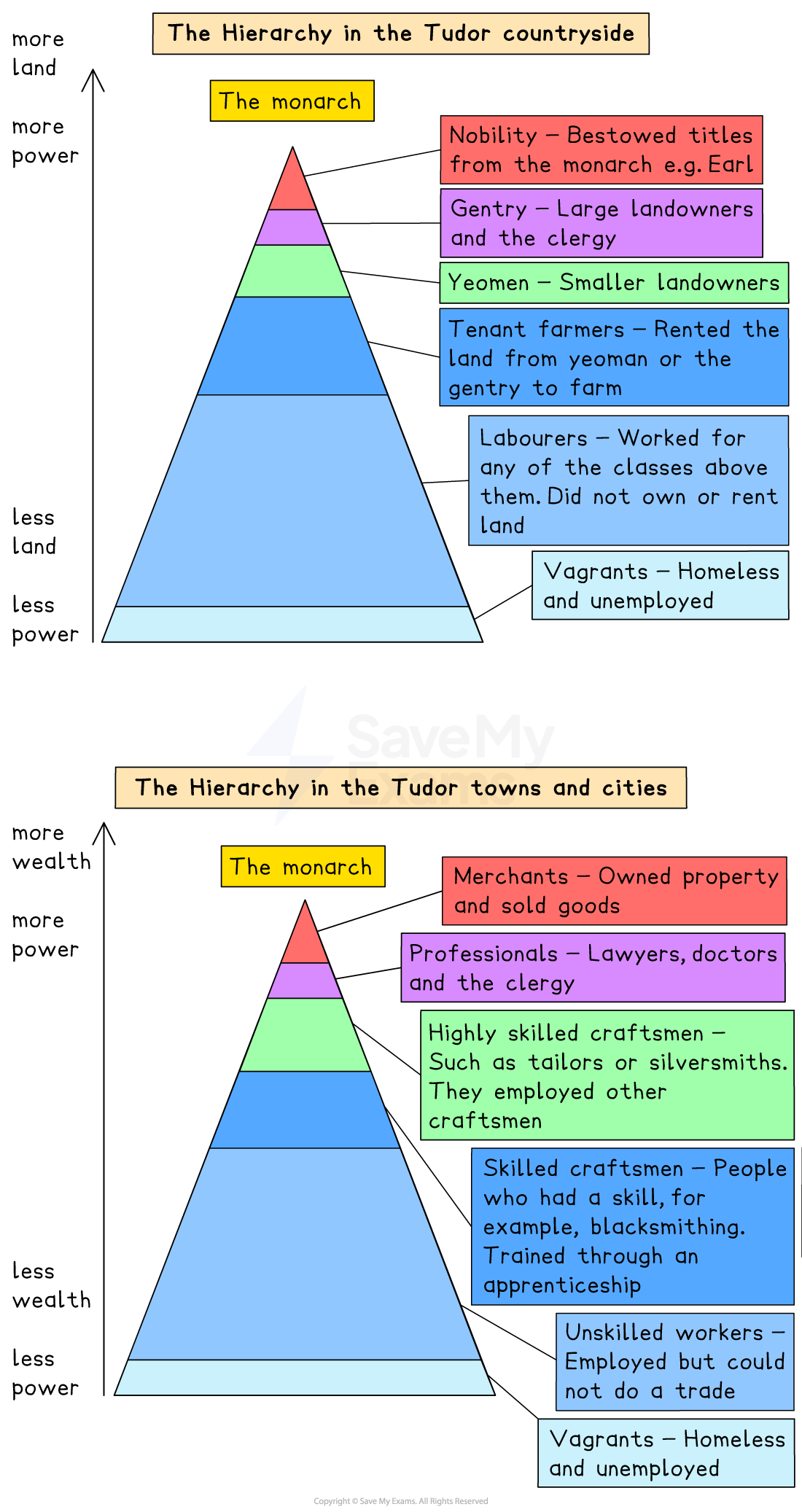
The system depended on giving and receiving
Those at the bottom of the hierarchy respected those at the top
The richer people in society needed the workers' services
They paid the workers
The hierarchy enforced law and order
There were many more people at the bottom of the hierarchy than at the top
The people at the top needed to use their power and influence to maintain law and order
Over 90% of the population lived in the countryside
This was furthest away from the monarch's influence
The monarch depended upon the hierarchy in the countryside to maintain control over the masses
A person's place in the hierarchy depended on the family they were born into, rather than talent or ability
People in the 16th century did not believe in social mobility or equality
At the very top of society, those with good personal relations with the Queen were more likely to be appointed to important roles
The Queen appointed whoever she wanted to help her rule
Those who pleased the Queen might find themselves being given positions of great power and prestige
Those who displeased the Queen may be stripped of all wealth, power and influence
This system of the monarch being able to appoint and remove whoever they wanted is known as patronage
The Royal Court
The Royal Court was the name given to the group of nobles and gentry whom the Queen most favoured
They followed the Queen and gathered wherever she was staying
They provided her with company and entertainment
Elizabeth frequently moved between her many palaces and the court would move with her
Those most favoured were given rooms in the palace and others found lodgings nearby
Members of the court were known as courtiers
The Privy Council
This was made up from Elizabeth's closest and most trusted courtiers
It had around 19 members
They met with the monarch three times a week to:
Give the monarch advice on key decisions
Enact the monarch's wishes
Monitor the other government organisations
The Privy Council lived and worked in the royal court
Secretaries of State
The most important member of the Privy Council was the Secretary of State
Elizabeth had two significant Secretaries of State during her reign
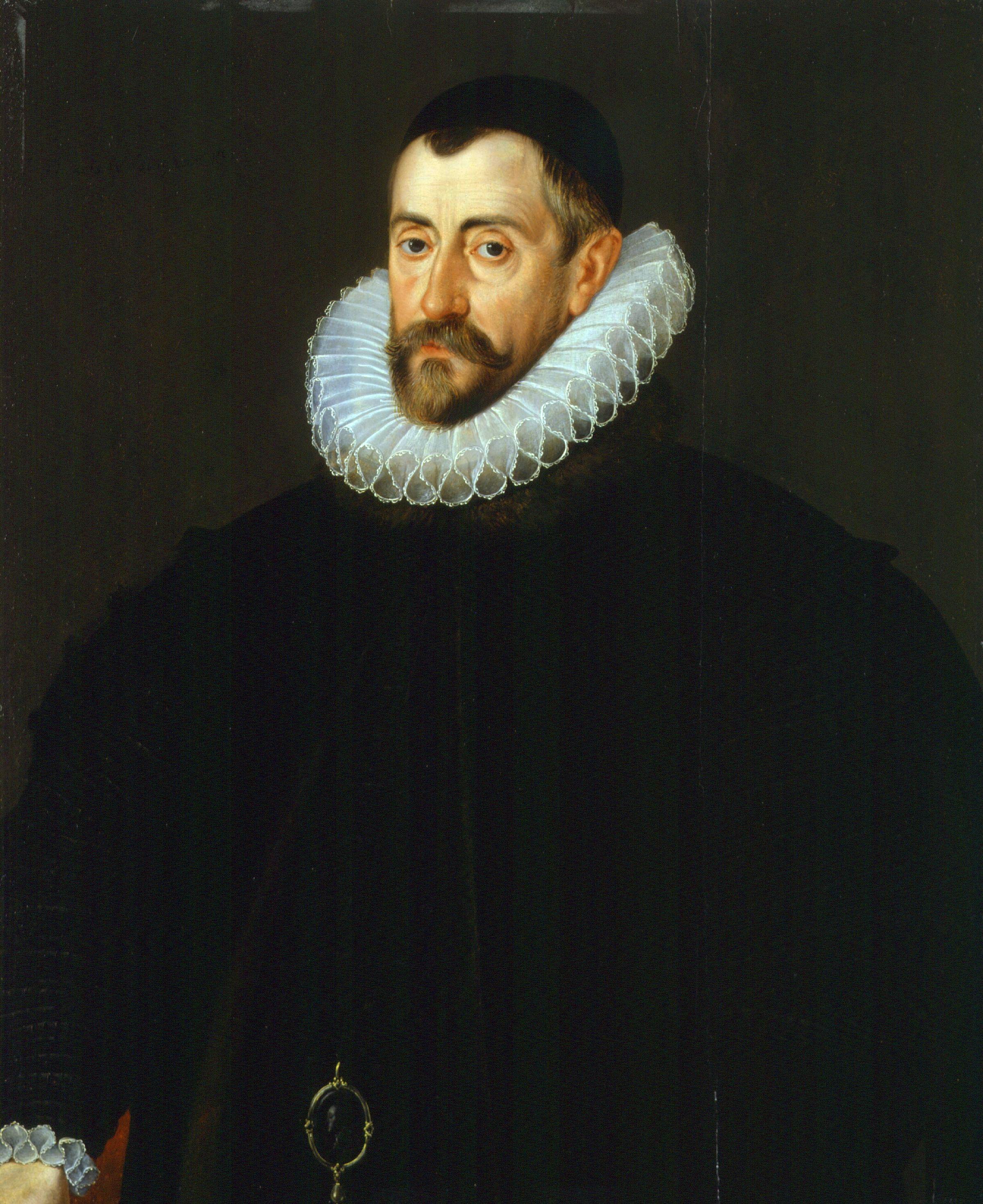
Sir Francis Walsingham
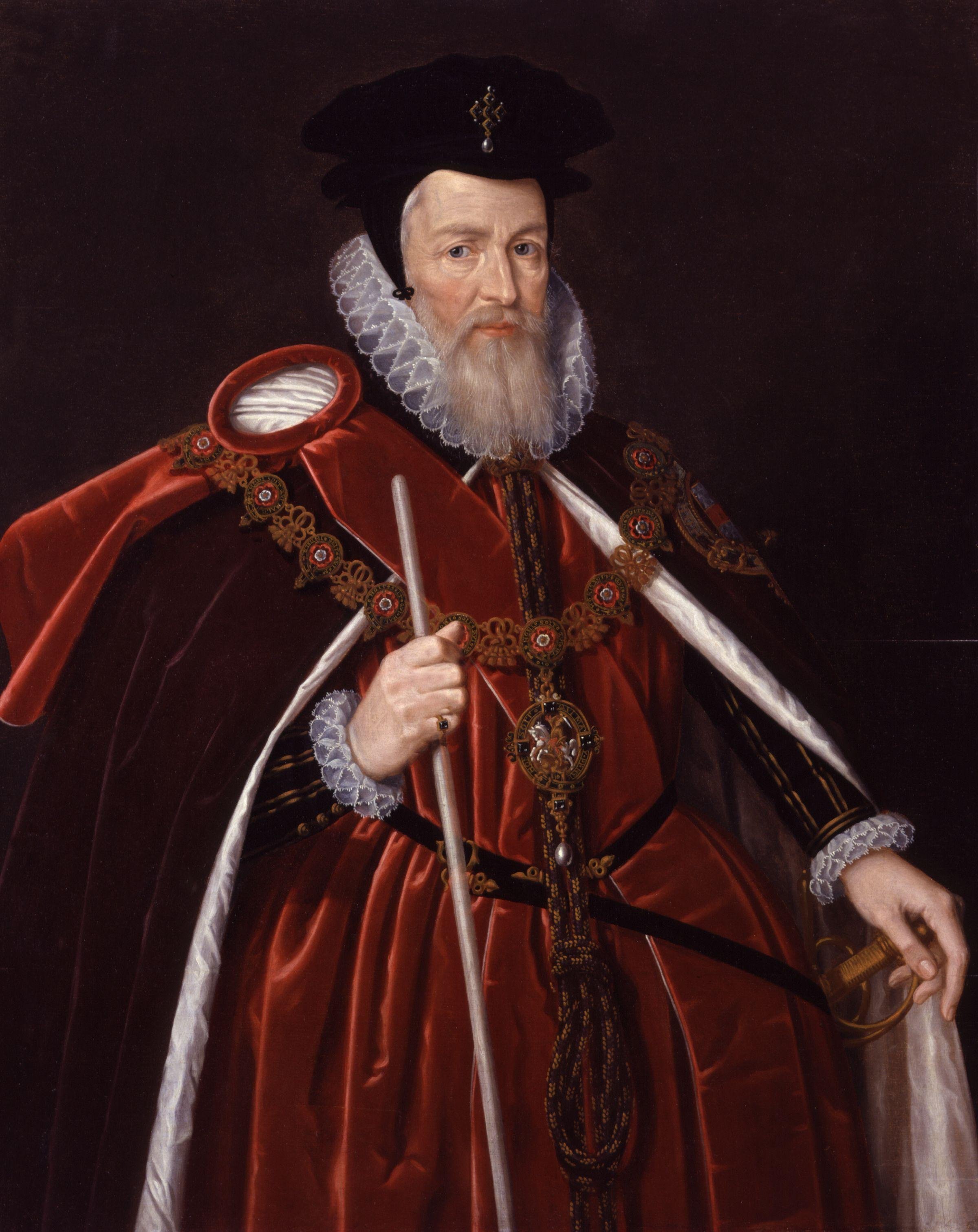
William Cecil, 1st Baron Burghley
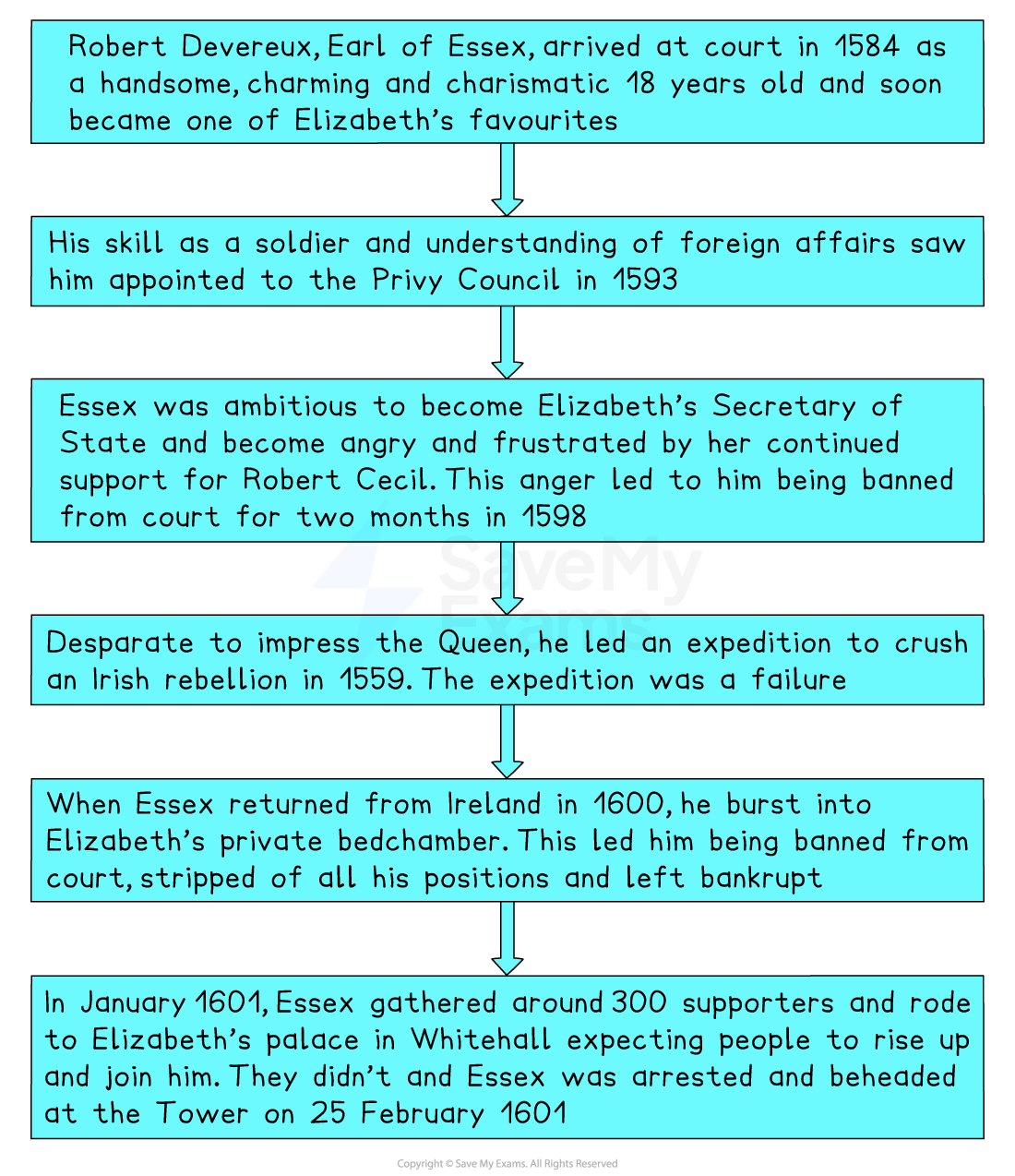
Rebellion of Lord Essex
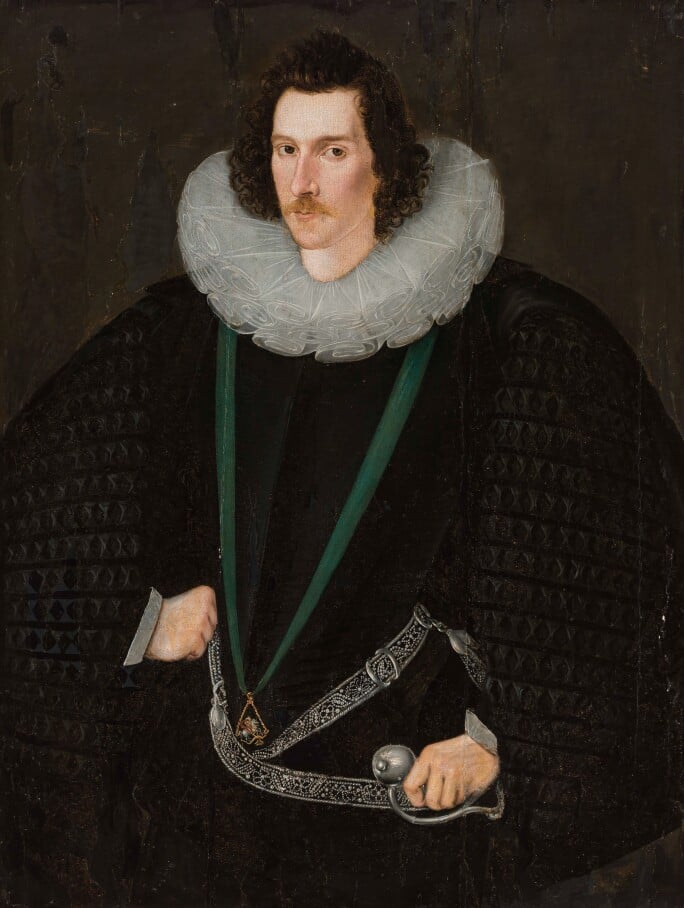
Robert Devereux was a courtier who benefited greatly from Elizabeth's patronage
However, when he displeased the Queen, it cost him his wealth, position and eventually his life
Examiner Tips and Tricks
Success in this paper will depend on your ability to analyse historical interpretations.
Many students become confused and believe that sources and interpretations are the same thing. Sources come from the period you are studying. Interpretations are made by people, such as historians, after the event by examining sources.

Unlock more, it's free!
Join the 100,000+ Students that ❤️ Save My Exams
the (exam) results speak for themselves:

Was this revision note helpful?
