Elizabeth I & Parliament (OCR GCSE History B (Schools History Project)): Revision Note
Exam code: J411

Summary
Elizabeth had enormous personal power, but it wasn't without limits. If she wanted to raise new taxes or introduce new laws, she needed the permission of Parliament. This did not pose many problems for Elizabeth and she usually found a way to get what she needed.
However, Parliament also gave people a platform to criticise the Queen. Most of the MPs who were critical of Elizabeth were strict Protestants known as Puritans. These angered Elizabeth but fell short of open rebellion against her rule.
Elizabeth's parliaments
Elizabeth mostly ruled England through Royal Proclamations
However, she still needed to maintain a good relationship with Parliament
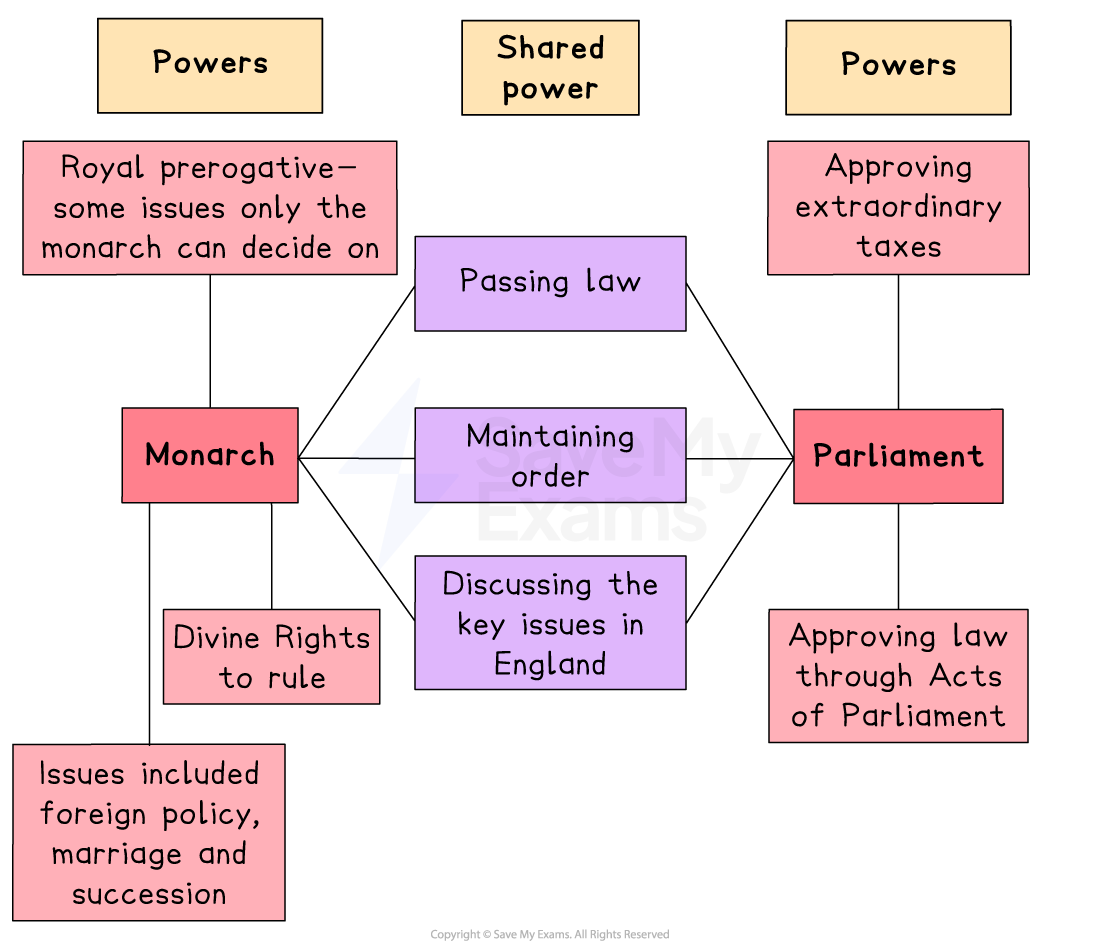
If Elizabeth wanted to introduce new laws or new taxes, Parliament had to agree to them
Parliament was made up of:
The House of Lords, which contained nobles and bishops
The House of Commons, which contained members of the gentry
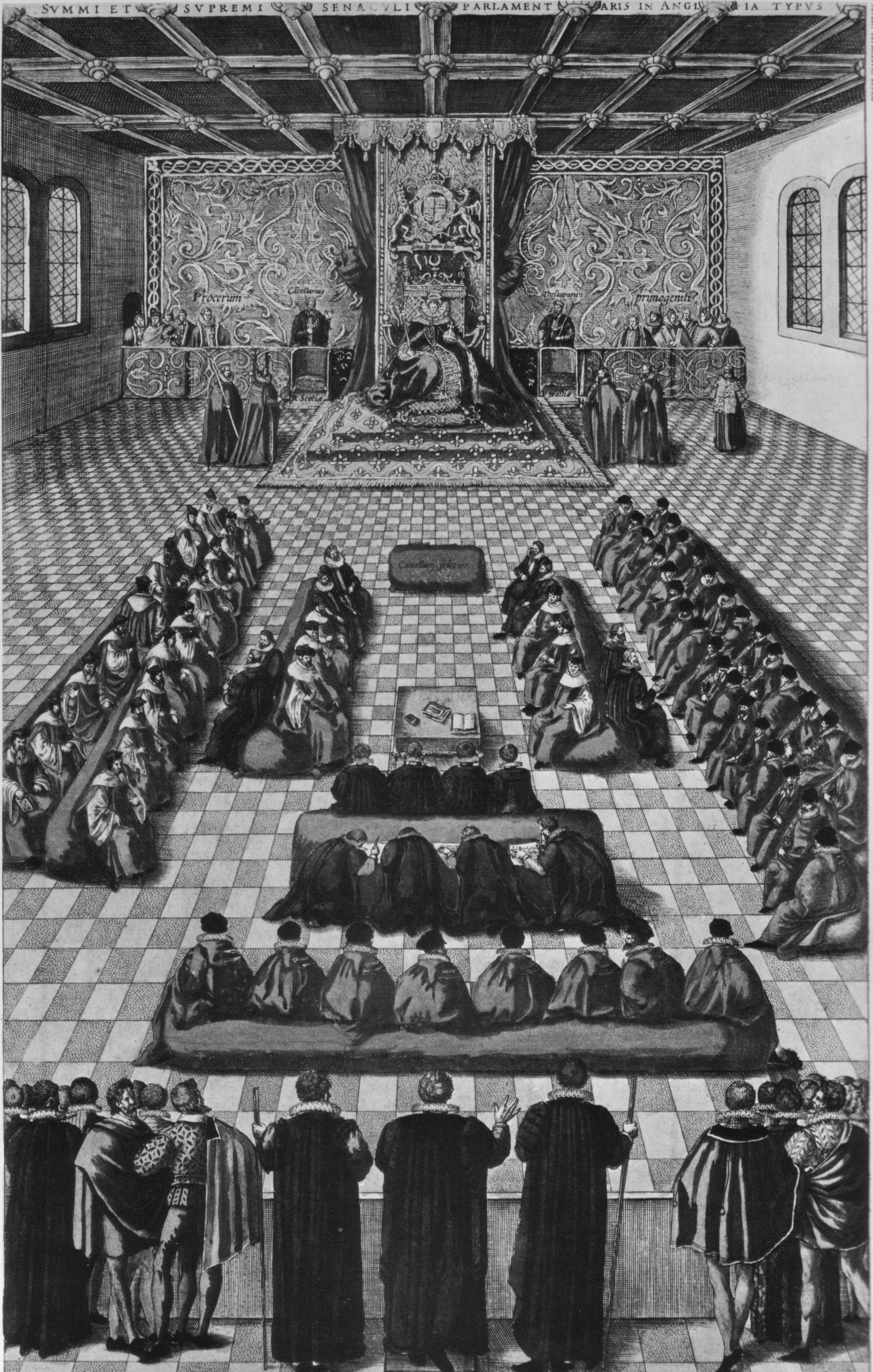
Elizabeth did her best to control what Members of Parliament (MPs) could discuss
It was not allowed to discuss any possible marriage for her or her succession
Parliament was also not allowed to discuss religion or England's foreign policy
Closing parliament
Elizabeth was queen for almost 45 years
In that time, Parliament spent just 35 months open and in debate
If MPs refused to do as Elizabeth wished, she would often close parliament
In most cases, a compromise with MPs was reached so that the new laws or taxes were introduced and the MPs got what they wanted too
Criticism from MPs
Some members of the nobility and gentry who had fallen out of favour at Court used Parliament as an opportunity to criticise the Queen
This meant that religion and Elizabeth's possible husbands were discussed in Parliament, even though this was not supposed to be allowed
Opposition from Puritans
Puritans were strict Protestants
They gained the name ‘Puritans’ because they wanted to ‘purify’ Christianity
They believed in removing features that were not written in the Bible from Christianity
Some MPs were Puritans
They used Parliament to criticise the Queen and make demands for change
These included:
Demanding the abolition of bishops in the Church of England because there is no mention of bishops in the Bible
Demanding assurances that Elizabeth's successor would be a Protestant
Criticising Elizabeth for granting monopolies to her favoured courtiers
To what extent were the Puritans a threat?
The Puritans greatly angered and infuriated Elizabeth
She dealt with some individuals very harshly
Some Puritan MPs were imprisoned
Other Puritans had their hands chopped off or were hanged
But, unlike Catholics, the Puritans never openly demanded Elizabeth be removed from the Throne or plotted against her
This meant they never committed treason and were seen as more of an annoyance than a threat
Examiner Tips and Tricks
The questions on the depth study will be in the second half of Paper 1: British History.
The whole exam will last for 1 hour and 45 minutes but you should spend around 50 minutes answering the four questions on Elizabethan England.

Unlock more, it's free!
Join the 100,000+ Students that ❤️ Save My Exams
the (exam) results speak for themselves:

Was this revision note helpful?
