Elizabeth I & the People (OCR GCSE History B (Schools History Project)): Revision Note
Exam code: J411

Summary
Elizabeth relied on a network of local officials to help her run the country. These were known as the Lords Lieutenant and the Justices of the Peace.
Elizabeth also used various forms of propaganda to convince the English people that she was a strong, wise and fair ruler who got her power directly from God. To keep opposition to a minimum, Elizabeth's government carefully controlled what information was available to people. Anybody who tried to spread information that criticised her was brutally crushed.
Elizabeth and local government
The Queen had enormous power, but one individual couldn't control the lives of millions of people spread over such a large area as England
To do this effectively, she needed the help of local government officials
Lords Lieutenant
The queen chose members of the nobility to become Lord Lieutenants
The Lord Lieutenants:
Usually also worked in the Privy Council
Were each responsible for a county
They also had powers to help protect the monarchy
They trained and assembled the local militia in times of unrest
They ensured the people in their community followed Elizabeth's policies
They supervised the Justices of the Peace
Justices of the Peace
These were local landowners chosen by Lord Lieutenants.
It was an unpaid, voluntary position, but Justices of the Peace held a lot of status and power:
They collected poor relief
Every three months, they served as judges in serious criminal cases in the county court
They ensured the people in their community followed Elizabeth's policies
Elizabeth and propaganda
Propaganda is the spreading of information to influence what people think and believe
Elizabeth used different types of propaganda effectively to project herself as a powerful ruler who kept her country safe and wealthy
Royal progresses and pageants
Each summer, Elizabeth would travel around her kingdom to display her majesty and reinforce her authority
This was known as a 'royal progress'
Elizabeth would stay at the home of a nobleman who would stage extravagant events to mark the occasion
Her progress took her as far north as York
Many people would have seen her as she travelled through towns and villages
The power of the printing press
The first printing press arrived in England in 1476
It was still a new technology when Elizabeth became queen
It was used to print copies of her speeches, which were spread around the kingdom
It was also used to print plays that praised the Queen or criticised the Pope or the King of Spain
These were then performed throughout the country by groups of travelling players
The power of portraits
Very few people in England would have seen Elizabeth in person
Painted portraits were used to project the image of the Queen that she wanted
Many of these portraits included symbols that represented certain things in Tudor times
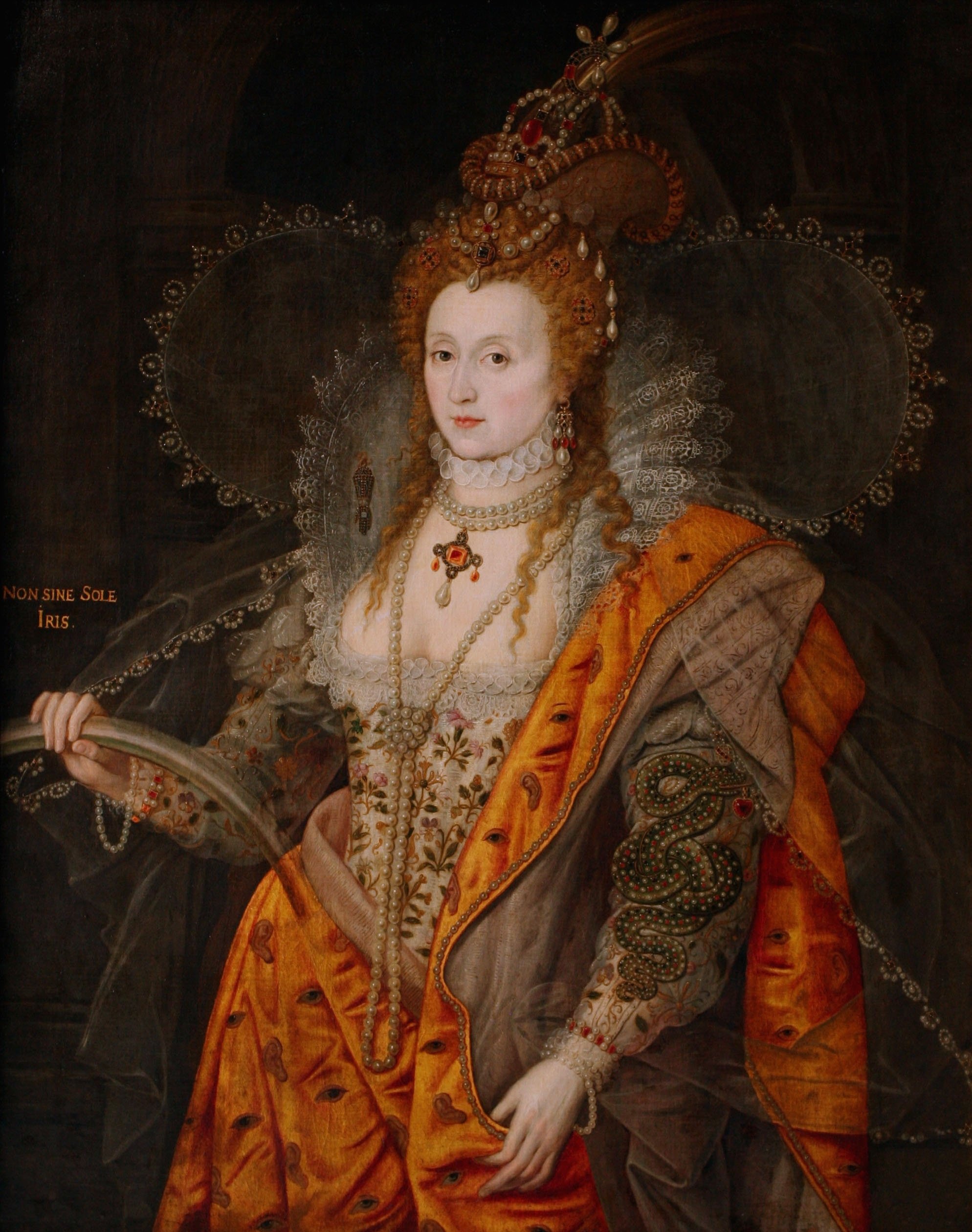
Elizabeth's courtiers would have all worn miniature portraits of the Queen
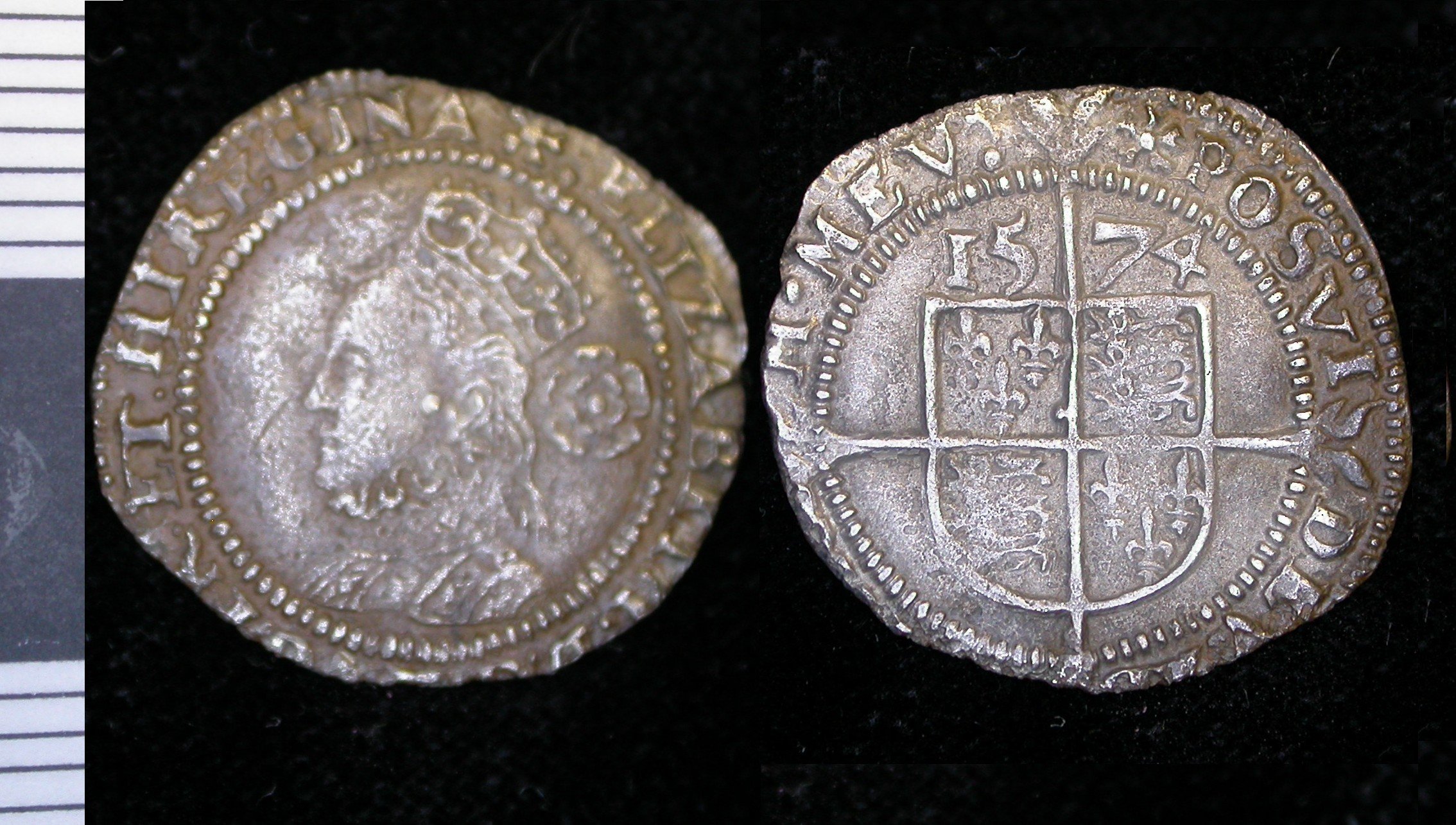
The most commonly seen portraits of Elizabeth were those that appeared on coins
Her appearance on coins meant Elizabeth became a daily feature of everyday lives for many Elizabethans
The power of prayer
In 16th century England, the law stated that:
Everybody had to go to Church on Sunday
Every Church must use the same prayer book
The prayer book contained a 'Prayer for the Queen's Majesty'
Every worshipper at every service would say the prayer
It asks God to give Elizabeth health, wealth and strength
At the same time, sermons from priests would praise Elizabeth and reinforce the belief that she was their God-given ruler
Censorship
Censorship is when a government controls what information people are allowed to access
Elizabeth's government worked very hard to ensure that no views that conflicted with or contradicted her views were spread in England
Writers and printers of books that criticised Elizabeth were severely punished and their books were destroyed
Examiner Tips and Tricks
Question 8/9 on this paper is worth an enormous 20 marks. You must choose between question 8 OR question 9. Do not fall into the trap of trying to answer both - someone always does!

Unlock more, it's free!
Join the 100,000+ Students that ❤️ Save My Exams
the (exam) results speak for themselves:

Was this revision note helpful?
