Reservations & Indigenous People of the Plains (OCR GCSE History B (Schools History Project)): Revision Note
Exam code: J411
Summary
Once the Indigenous tribes had been prevented from freely roaming the plains and forced onto reservations, their traditional ways of life were further disrupted.
There were no more negotiations over the use of land with tribal leaders. Indigenous people were treated in the same way as any other US citizen by the US legal system. Reservations were too small to allow a nomadic lifestyle built around hunting bison. They were then reduced even further, meaning they were not large enough to sustain entire tribes. This led indigenous people to leave their tribes and reservations and move to towns or farms in search of work.
Connections with traditional tribal heritage were damaged further by an education system that forced Indigenous children to assimilate with the US way of life.
How did reservations impact tribal society?
Tribal chiefs like Sitting Bull stopped negotiating with the US government
The Chiefs refused to lose more land than they already had
They knew that the government had broken multiple promises
In the 1880s, the US government bypassed the tribal structure of power using a variety of methods
Councils among tribes
Councils took the power from the chief
US negotiators bribed or threatened council members
Special courts
In 1883, these courts judged and punished tribe members instead of the chief
Government agents influenced the court system by increasing food rations or medical supplies for 'good' behaviour
The Indian Police Agency
The government offered food, clothes and shelter to the Indigenous peoples who joined the police agency
Agents kept law and order among the Indigenous peoples on the reservation
Other Indigenous peoples saw these agents as being disloyal
Federal courts
By 1885, all Indigenous peoples were tried and prosecuted in federal courts
The Indigenous peoples could no longer govern themselves
The impact of shrinking reservations
The Indigenous tribes did not agree to changes to the reservation size
The Fort Laramie Treaty in 1868 stated that 75% of males in each tribe needed to agree to the treaty
The changes to the Great Sioux Reservation in 1876 did not have the agreement of 75% of the males
After the Dawes Act, the US government entered into discussions with Indigenous tribes
The US government forced tribes to agree to the creation of six small reservations
Surplus land was sold to settlers
The reservations were not big enough for the tribes to survive on
Many Indigenous peoples were assimilated by creating homesteads
Indigenous peoples lost their traditional way of life
Education and religion on reservations
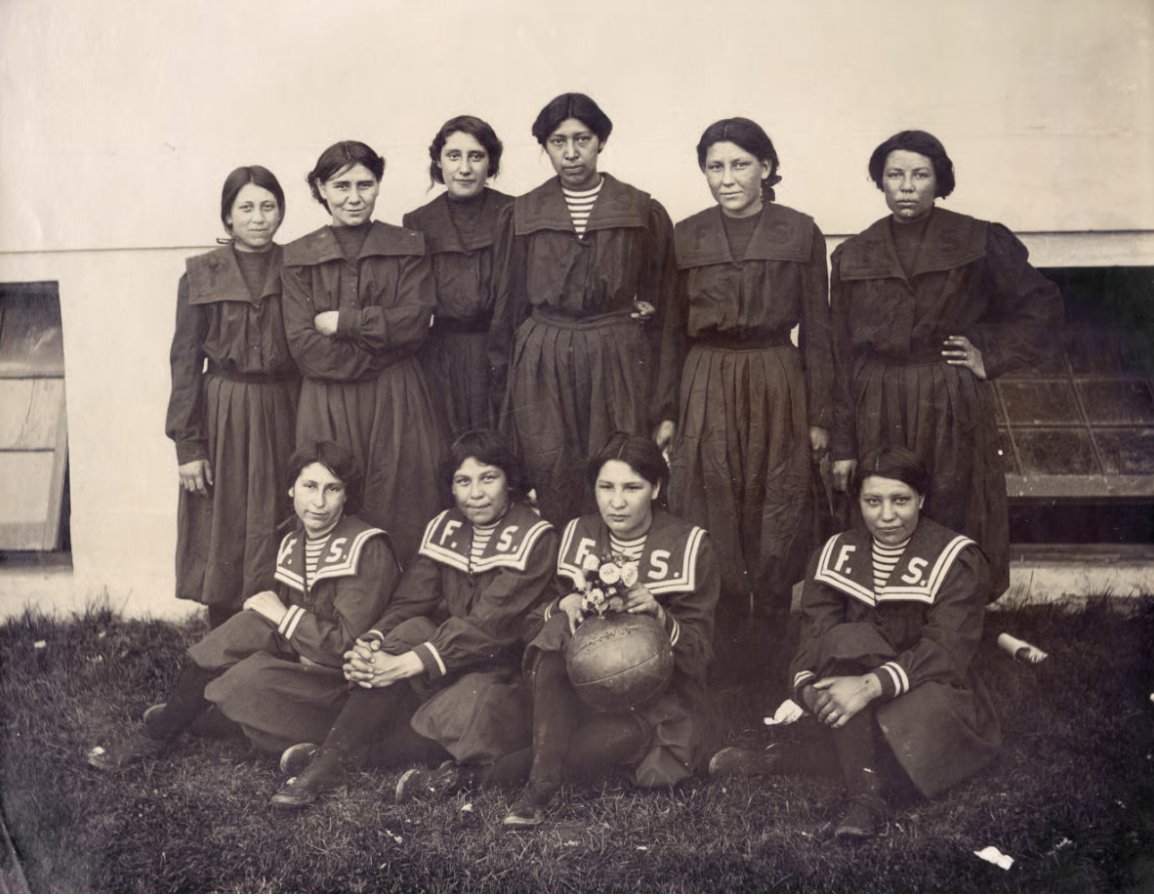
The government educated Indigenous children outside of the reservations
In many cases, if the parents refused to allow the children to leave, their rations were taken away until they agreed
By 1887:
Over 2,000 Indigenous children attended 117 boarding schools
Around 2,500 Indigenous children attended 110 day schools
Children received a military-style education
They were taught:
To not respect their ancestry or tribal culture
To follow Christianity
That they would be punished if they spoke their own language, performed tribal dances or kept sacred items
To assimilate into US culture
Despite being raised like US citizens, Indigenous children were still treated unfairly
After school, Indigenous peoples struggled to find jobs and returned to reservations
Examiner Tips and Tricks
Create a set of quick-fire revision questions on index cards with the questions on one side and the answers on the back. Carry them with you and keep going through them until you can instantly answer every question.
Living conditions on reservations
Life on reservations was challenging for many Indigenous peoples
This was because:
The US government sometimes placed enemy tribes on the same reservations
This caused conflict between Indigenous peoples
Indigenous peoples starved
Many Indigenous tribes had never farmed before
Reservation land lacked the nutrients necessary to grow good-quality crops
Corrupt government agents kept a tribe's annuity until the tribe paid them a lot of money
Reservations were not large enough for the number of Indigenous peoples
People lived close to other families
Epidemic diseases spread quickly, causing death
Worked Example
Name one example of how the traditional ways of life of indigenous peoples on the plains were damaged by the reservation system.
[1 mark]
Answer
One example of how the traditional ways of life of indigenous peoples on the plains were damaged by the reservation system was educating indigenous children off the reservation and withholding rations from parents if they refused to allow it.

Unlock more, it's free!
Join the 100,000+ Students that ❤️ Save My Exams
the (exam) results speak for themselves:

Was this revision note helpful?
