The impact of economic, social & political change on the lives of African Americans (OCR GCSE History B (Schools History Project)): Revision Note
Exam code: J411

Summary
After the Civil War, there were no enslaved African Americans in either the northern or southern states. However, African Americans still suffered from terrible prejudice and discrimination in both areas. In the southern states, laws (known as Jim Crow laws) kept African Americans separate from Euro-Americans. They also kept African Americans impoverished and living in conditions that were almost identical to enslavement.
As well as racist laws, African Americans suffered from attacks and murders, known as lynchings, from racist groups such as the Ku Klux Klan.
Some 40,000 African Americans reacted to this mistreatment by leaving the southern states and moving to Kansas. They became known as the Exodusters. Other African Americans began to highlight the injustice and work to improve the education available.
Jim Crow Laws
The Jim Crow Laws were the name given to laws passed in some southern states that segregated people based on race
These laws were justified by Euro-Americans as being necessary to protect them from "violent" and "uneducated" African Americans
Jim Crow laws meant that African Americans and Euro-Americans were kept apart on public transport, restaurants, shops, theatres and schools
The funding given to schools for Euro-American children was up to ten times as much as that given to schools for African American children
Despite this discrimination, the Supreme Court ruled that 'separate but equal' facilities for both races did not break the US Constitution's 14th Amendment
Poverty and African Americans
Despite the recovery of the American economy between 1877 and 1900, the majority of African Americans lived in terrible poverty
African Americans in the Southern States
A collapse in the price of cotton meant that most African Americans in southern states lived in poverty
The victory of the Union in the American Civil War meant that they were no longer enslaved and had been made American citizens
However, it did not change the day-to-day existence of many African Americans
Many became sharecroppers on land owned by former slave owners
African Americans in the Northern States
There were no Jim Crow laws in the northern states but African Americans still faced prejudice and discrimination
This treatment, combined with a desire to live close to family, led to unofficial African American areas developing in towns and cities
In these areas, over 90 per cent of the population were African American
The quality of housing in these areas was usually much worse than that in Euro-American areas
African Americans also found it more difficult to find work and were the first to lose their jobs when there were cutbacks
Lynching and the KKK
Lynching was the killing of people as a punishment for alleged crimes without any trial or legal process
Victims were often tortured, beaten and burned before being hanged from trees
People were lynched for reasons such as being disrespectful or becoming too wealthy
It routinely occurred in the southern states
There were 161 lynchings recorded in 1892 alone
The Ku Klux Klan (opens in a new tab) (KKK) had risen to national attention after the Civil War but a government crackdown during the 1870s had stopped much of their violent activities
However, during the 1890s, the highly secretive KKK reformed
They began threatening, intimidating and murdering African Americans in the south once again
The role of key individuals
Ida Wells and Booker T. Washington were both key individuals who campaigned to improve the lives of African Americans
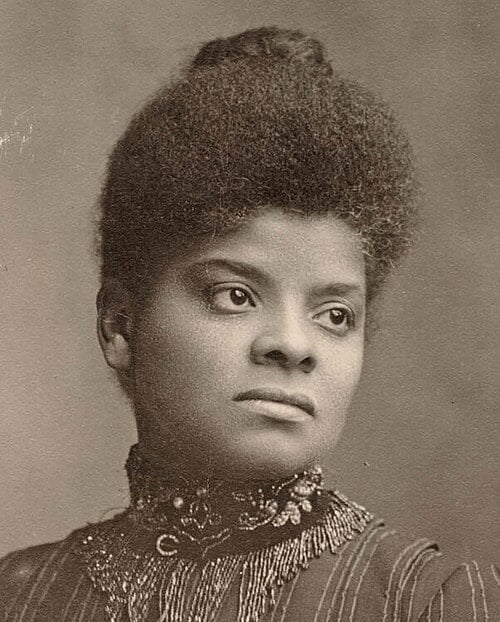
Ida Wells
When Ida Wells was born in 1862, her mother was an enslaved person, so she automatically became enslaved too
After the Civil War, Wells trained to become a teacher and moved to Tennessee
After being forcibly removed from a first-class train carriage purely because of her race, she took the train company to court
Wells lost her case but campaigned tirelessly to publicise the treatment that African Americans suffered
Wells worked as a journalist and travelled widely
She reported on lynchings and the poor education available to African Americans
She also worked to highlight the work of brilliant African Americans to change people's perceptions of what African Americans were capable of
In 1909, she became a founding member of the National Association for the Advancement of Coloured People (NAACP)
Booker T. Washington
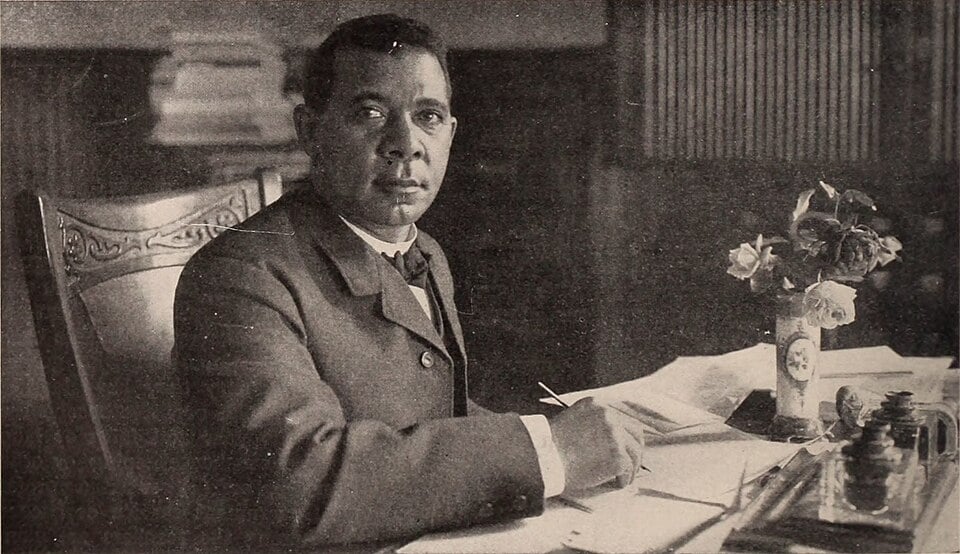
Booker T. Washington was a writer and educator who set up schools for African American students
He believed that education was the key to lifting African Americans out of poverty and improving their position in American society
Washington was criticised by some people for focusing on teaching practical skills rather than the professions
At the start of the 20th century, many African Americans had entered the professions
By 1900, there were 300 African American lawyers, 417 African American doctors and 23,866 African American teachers
The Exoduster movement
The term 'Exoduster' comes from:
Exodus - A mass movement of people - there is a Bible story about the Exodus of Moses and the Israelites from Egypt
Dust - Represents the dry, dusty American West
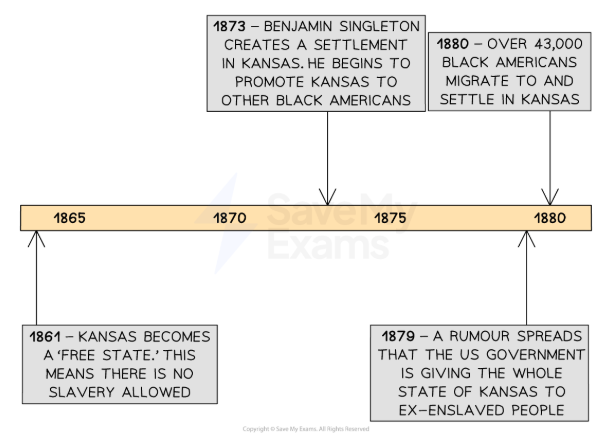
It was the term used to describe the 40,000 African Americans who moved from the southern states to the state of Kansas in the late 1870s and early 1880s
Why did the Exodusters head to Kansas?
Politicians and laws in the southern states were still racist
Many ex-enslaved people in the south became ‘sharecroppers'
Their lives were very similar to those before the abolition of slavery
The KKK were committing murders and intimidated many African Americans to leave
There was the possibility of buying their own farms in Kansas under the Homestead Act
Although African Americans were discriminated against, it was only Indigenous peoples who were banned from claiming 160 acres under the Homestead Act
Many Exodusters were devout Christians and believed that Kansas was their 'Promised Land'
A rumour took hold across the southern states that the whole of Kansas had been given to formerly enslaved people
This rumour was false, but it still motivated people to migrate to Kansas
By the 1880s, the number of Exodusters travelling to Kansas had reduced
On average, Exoduster migrants in Kansas were poorer than Euro-American colonists in Kansas
However, they still earned more than they had previously done in the South
Education and segregation in the south
The Jim Crow laws meant that education was segregated in the southern states
The Supreme Court ruling in the Plessy v. Ferguson case ruled that segregation was legal as long as it provided 'separate but equal' facilities
In reality, the schools for African Americans had much lower funding
This meant the buildings were older and in worse condition, they had fewer books, fewer teachers and had shorter school terms
The education of African American children was therefore inferior, and it impacted their future prospects
Worked Example
Name the state that was the destination for the Exodusters.
[1 mark]
Answer
The state that was the destination for the Exodusters was Kansas.

Unlock more, it's free!
Join the 100,000+ Students that ❤️ Save My Exams
the (exam) results speak for themselves:

Was this revision note helpful?
