Southern Cotton Plantations & Slavery (OCR GCSE History B (Schools History Project)): Revision Note
Exam code: J411

Summary
Enslaved people from Africa had been forced to work on the farms and plantations of Britain's colonies in North America. When the United States became independent from Britain in 1783 and expanded westwards, the use of enslaved people also expanded. This was mainly due to the invention of the cotton gin, which made the processing of cotton more efficient and cost-effective, increasing the demand for cotton. The harvesting of cotton still needed to be done by hand and this led to an increase in demand for enslaved people.
Many Americans were unhappy about the expansion of slavery and wanted slavery to be made illegal in the new states created in the west. The Missouri Compromise in 1820 led to new states being created in pairs so that there remained a balance between the number of states where slavery was legal and illegal.
The expansion of the Southern cotton plantations
The first enslaved Africans arrived in what would become the USA in 1619
As the British colonies in North America expanded, the number of enslaved Africans being purchased and forced to work by the colonists increased
Enslaved Africans were forced by the colonists to work on large farms (plantations) growing tobacco, rice and cotton
After the United States' victory in the American War of Independence in 1783, the US gained 230 million acres of North American land from Britain
The US government divided this land into two:
The area to the north of the Ohio River became the 'Northwest Territory'
The area to the south of the Ohio River became the 'Southwest Territory'
From 1789, slavery in the Northern States was gradually made illegal
However, slavery continued to be widespread in the Southern States
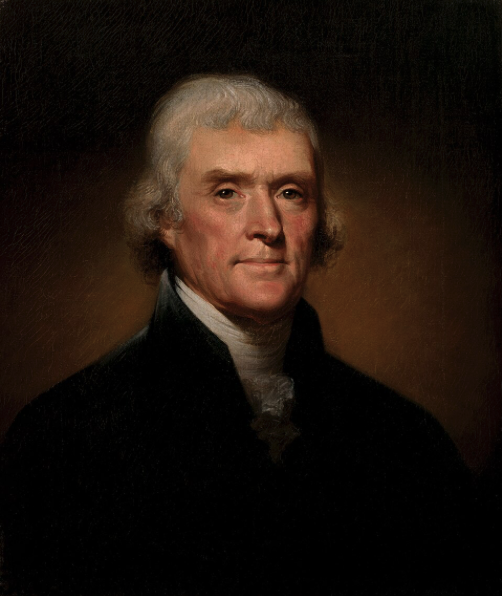
President Thomas Jefferson had to decide what to do about slavery in the new territories gained from Britain in 1783
Some argued that slavery should be made illegal in these territories
Others argued that slavery should be allowed to thrive and that the economies of the new territories should be built on the work of enslaved people
Jefferson decided to compromise
Slavery was made illegal in the Northwest Territory
Slavery would be permitted in the Southwest Territory
Examiner Tips and Tricks
The questions you will be asked on the Making of America will be in the first half of Paper 3.
The whole exam will last for one hour and 45 minutes and you should spend just over 50 minutes answering the questions on the Making of America.
The expansion of slavery
Many people, including President Jefferson, expected slavery to die out just as it had in the northern states
However, between 1793 and 1820, the use of and trade in enslaved people expanded enormously
Reasons for the expansion of slavery
The Invention of the Cotton Gin
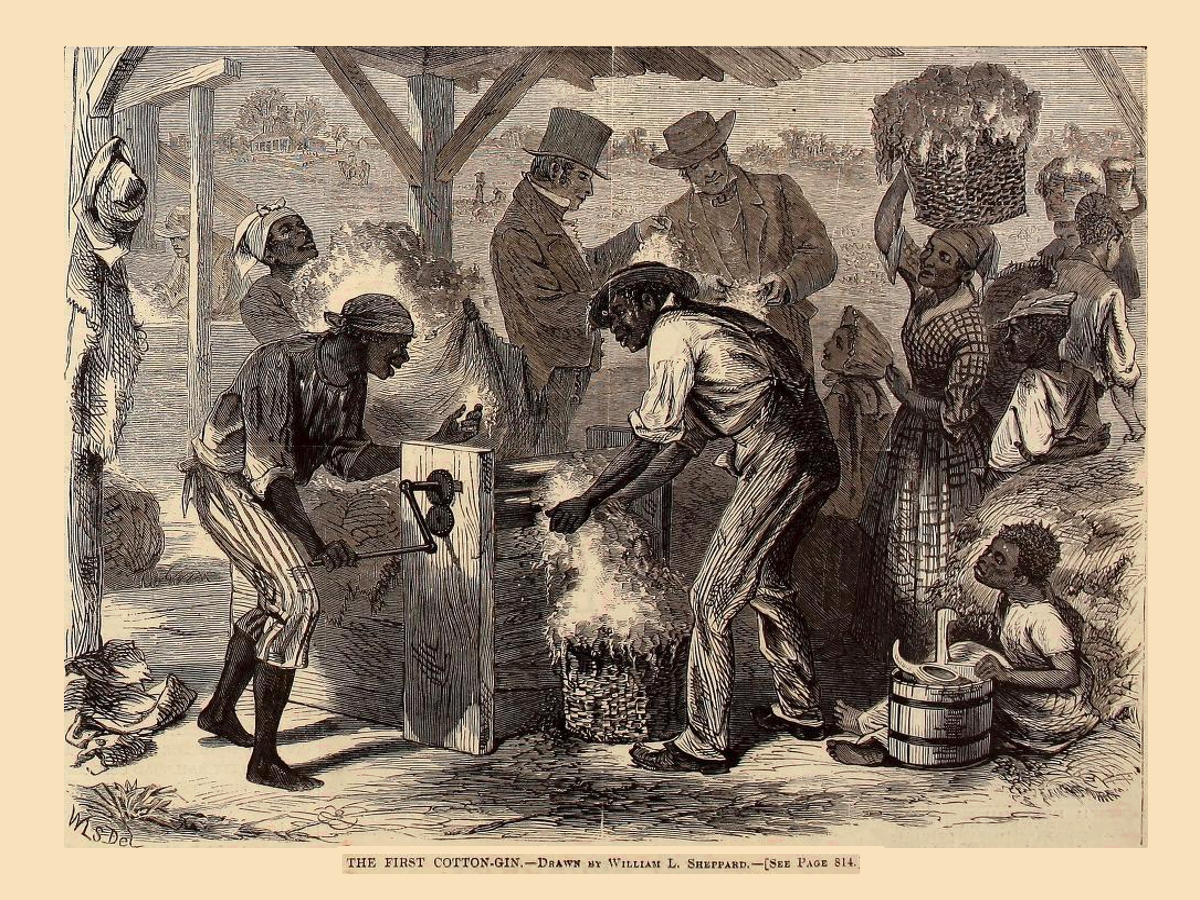
The invention of the cotton engine or cotton gin in 1793 led to an increase in the use of enslaved Africans
This enabled the cotton fibres to be separated from cotton seeds around 50 times quicker than when it was done by hand
It also meant that varieties of cotton that had more seeds but thrived in the heat and humidity of the South could be easily processed
The cotton gin mechanised and greatly sped up the processing of cotton, but it still had to be picked by hand
The need to keep pace with processing meant that the demand for enslaved labour increased enormously
The 'Cotton Kingdom'
In 1803, the United States purchased an area of North American land from France
This became known as the Louisiana Purchase and added 530 million acres to the USA
By 1819, three new states of Louisiana, Alabama and Mississippi were formed on this land
The economies of these three states, just like the older states of Georgia and North and South Carolina, were built on cotton production
The three states became collectively known as the Deep South or the Cotton Kingdom
By 1820, cotton made up 40 per cent of all US exports
In 1808, it became illegal to purchase enslaved people from Africa in the United States
However, the children of enslaved people automatically became enslaved
They were the legal property of their parents' owners
This meant the trade in human beings by plantation owners continued
Children were commonly sold and moved to plantations hundreds of miles from their parents
New Orleans became the centre of the trade in both cotton and enslaved people
The debate over the expansion of slavery
The United States was divided over the issue of slavery
Many people feared that if slavery were legal in the new states, then pro-slavery states would outnumber anti-slavery states
This could lead to pro-slavery states being able to outvote the anti-slavery states and control the national government
The Missouri Compromise of 1820 aimed to try and keep a balance
New states were to be created in pairs, with one in which slavery was permitted and one in which it was banned
This slowed the expansion of slavery, but it did not stop it
Worked Example
Name one of the states that were part of the 'Cotton Kingdom' after 1819.
[1 mark]
Answer
One of the states that was part of the 'Cotton Kingdom' after 1819 was Louisiana.

Unlock more, it's free!
Join the 100,000+ Students that ❤️ Save My Exams
the (exam) results speak for themselves:

Was this revision note helpful?
