The African American Experience of the Civil War (OCR GCSE History B (Schools History Project)): Revision Note
Exam code: J411

Summary
Although one of the main drivers of the American Civil War was slavery, the Union did not enter the conflict with the stated aim of banning it. African American soldiers were initially barred from fighting in the Union army. However, as enslaved African Americans were freed from the plantations by the Union Army, many thousands wanted to join.
Abraham Lincoln eventually changed his mind and declared that a Union victory in the war would lead to slavery being banned in every single state in the US.
From 1863 onward, African American soldiers were allowed to join the Union Army and played a key role in the war's later stages. Initially, African Americans were paid less than Euro-American soldiers but that was changed in 1864. However, African American soldiers were still banned from being officers.
What role did African Americans have during the outbreak of the Civil War?
When the war started, Abraham Lincoln did not declare that he would outlaw all slavery
Slavery continued exactly as before, even in the states that were on the side of the Union
These states included Kentucky, Delaware, Maryland and Missouri
In the Northern states, many free African Americans rushed to join the Union army when the fighting started
They were stopped from joining up based on a law from 1792 that banned African American soldiers from serving in the US Army
Lincoln refused to change the law
He thought having African American soldiers in his army would turn states like Kentucky and Delaware against the Union
Escaping enslaved people
Union soldiers invaded the South and occupied plantations
Many of the enslaved people from those plantations decided to escape and work as labourers for the Union Army
This enraged the Confederacy, which:
Claimed that the escaped enslaved people were prisoners of war
Demanded that these 'prisoners' be returned to the plantations
The Union argued that, as Confederate law considered enslaved people to be property rather than people, they could not be prisoners
Lincoln passed a new law in July 1862, which defined enslaved people as 'contraband of war'
This meant they could stay and work for the army and did not have to be sent back to the plantations
They were still not allowed to fight in the Union Army
Examiner Tips and Tricks
In recent years, historians have preferred using the term enslaved people instead of slaves. This is because it reminds us that enslavement is a process that has happened to a person and that nobody is enslaved.
African American life in the Northern States
African Americans were not enslaved in the northern states
They were not the legal property of other Americans
This did not mean they were treated as equals by Euro-Americans
Society was segregated, African Americans:
Attended separate schools and were prevented from entering many public places
Were not allowed to be in charge of Euro-Americans in the workplace
Often lived in poorer quality homes but paid higher rents than their Euro-American counterparts
African American life in the southern states
In the southern states, African Americans were enslaved
They were the property of other people who were legally entitled to buy and sell them
They received no wages for their work
They were housed and fed on the plantations
Living conditions were often poor and overcrowded, and disease spread rapidly
It was illegal in most southern states to teach African Americans to read
They were frequently subjected to brutal violence
The Emancipation Edict
As more enslaved people were freed by the Union Army, more African Americans wanted to join the Army as soldiers
Lincoln was still against this
When Union generals started allowing African Americans to join their ranks, he declared it was illegal
Lincoln feared that the slave-owning states of the Union might change sides
Lincoln changes his mind
In September 1862, Abraham Lincoln changed his mind
He declared that, unless the Confederacy surrendered by the end of the year, he would permanently free every enslaved person in America
This became known as the emancipation edict
On 1 January 1863, after the Confederacy had failed to surrender, a promise was issued to free every enslaved American in the event of a Union victory
A Union victory would now mean the complete and utter abolishment of slavery in every state of the United States
The first African American regiments
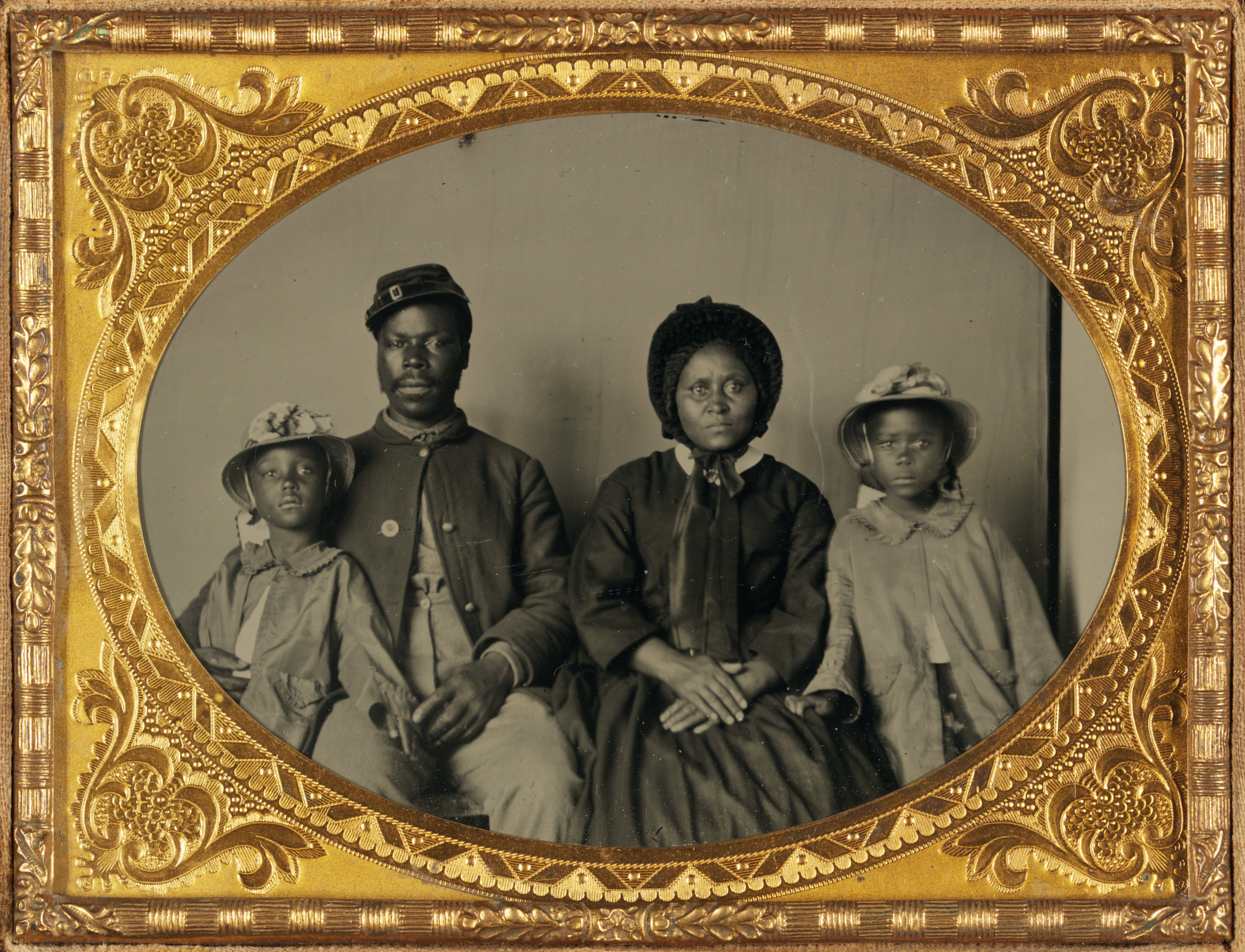
The 54th Massachusetts Coloured Regiment was formed in January 1863
It became the first African American regiment in the Union Army
Many more regiments soon followed
These regiments played a major role in the Union's later victories in the war
Initially, African American soldiers were paid less than Euro-American soldiers
They were frequently given menial, manual jobs such as digging ditches
African American soldiers were also banned from becoming officers in the Union Army
Many African American soldiers refused to fight or accept any pay until they received an equal amount as their Euro-American comrades
Equal pay was granted in June 1864, but African American soldiers were still banned from being officers
Worked Example
Name one of the states where slavery was legal that fought on the side of the Union.
[1 mark]
Answer
One of the states where slavery was legal that fought on the side of the Union was Kentucky.

Unlock more, it's free!
Join the 100,000+ Students that ❤️ Save My Exams
the (exam) results speak for themselves:

Was this revision note helpful?
