The Causes of the American Civil War (OCR GCSE History B (Schools History Project)): Revision Note
Exam code: J411

Summary
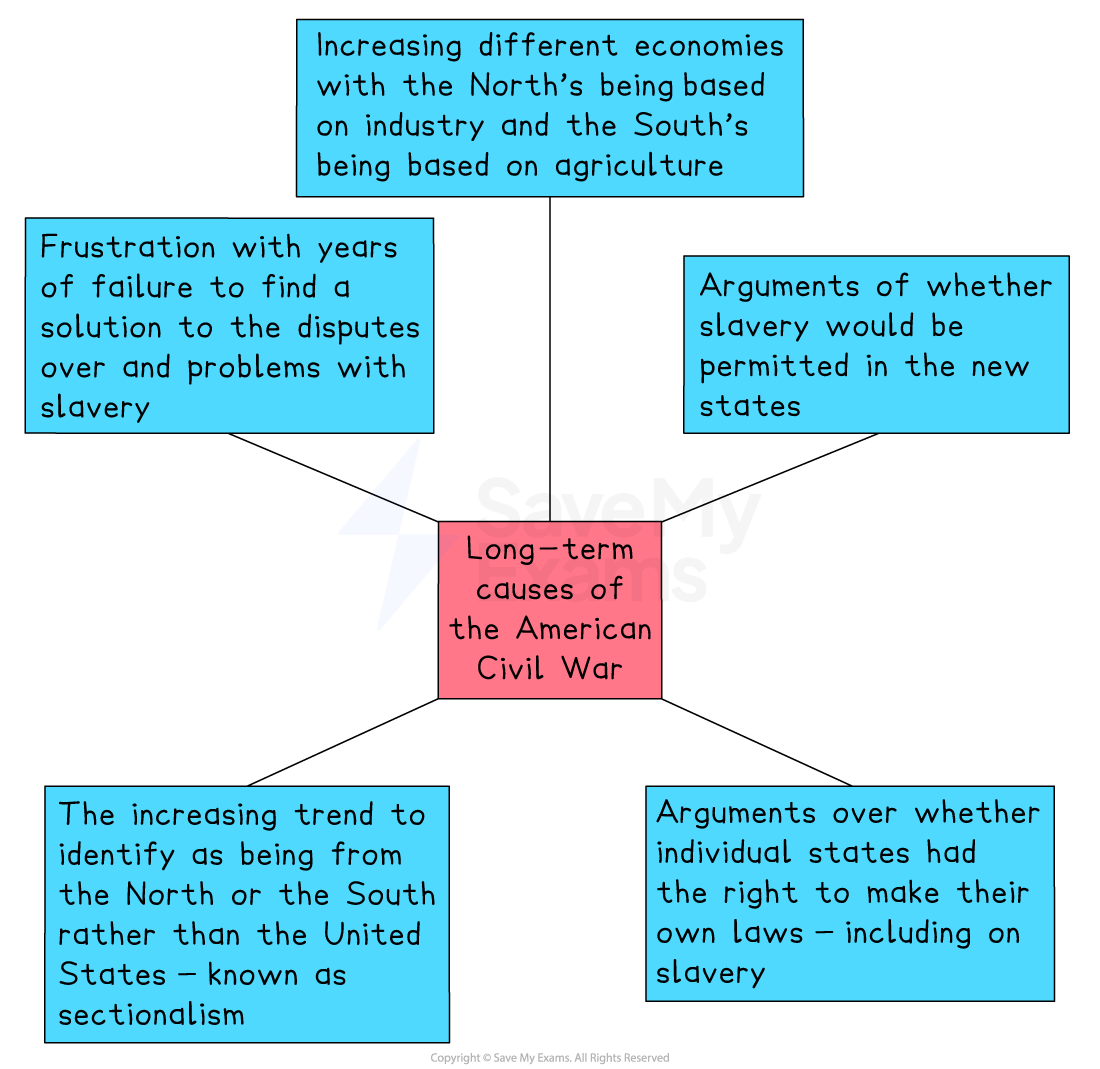
The states in the north and south of the US had grown increasingly divided throughout the 19th century. The main source of division was the issue of slavery. The northern states had started banning slavery in 1777 and had developed an economy based on factories and industry. The southern states remained committed to slavery and their economies were built on large farms that relied upon the labour of enslaved people.
When Abraham Lincoln campaigned to become president, he promised to end the problem of slavery in the US once and for all. The southern states saw this as a threat and, when Lincoln won the election in 1860, seven states voted to leave the United States and form a rival Confederacy of States.
Lincoln declared this to be illegal and claimed that all government property in the Confederate states remained US government property. The Confederacy responded by attacking Fort Sumter in South Carolina, marking the beginning of the American Civil War.
America divided: the issue of slavery
Following independence from Britain, the Northern and Southern states of the United States developed in different ways
In the northern states, a large industrial economy had been built
There were thousands of privately-owned factories creating wealth alongside small farms and independent businesses
In the southern states, the economy was almost completely agricultural
Farms were dominated by powerful plantation owners
What divided them most, however, was the dominant views on slavery
In the north, the majority of people thought enslaving people was morally wrong and economically unfair
They had to pay their employees
They felt southern business owners had an unfair advantage by using unpaid enslaved people
In the South, most people believed that enslaving people had existed since ancient times and that it was entirely natural
They also argued that people working in factories all week who could barely afford to pay their rent or buy food were 'wage slaves'
Long-term causes of the American Civil War
Examiner Tips and Tricks
The causes of the American Civil War are an ideal topic for the 18 mark judgement questions (Questions 4 and 5). It could take the form of something like :
"Sectionalism was the main reason for the outbreak of the American Civil War in 1861." How far do you agree with this statement? Give reasons for your answer.
Your task is to explain what sectionalism was and how it contributed to the outbreak of the American Civil War. You then need to outline the other factors that led to the outbreak of war in 1861. Finally, you need to reach a judgement over whether you agree that sectionalism was a more important factor than the others in causing the conflict.
Short-term causes of the American Civil War
The main trigger that turned bad feelings into war was the election of Abraham Lincoln as President in 1860
Lincoln had campaigned promising to prevent slavery from expanding into the new states
He had also implied that he was unwilling to allow the current compromises over slavery to continue
When he said, 'It will become all one thing or the other', many people in the South interpreted this as a direct threat to their way of life
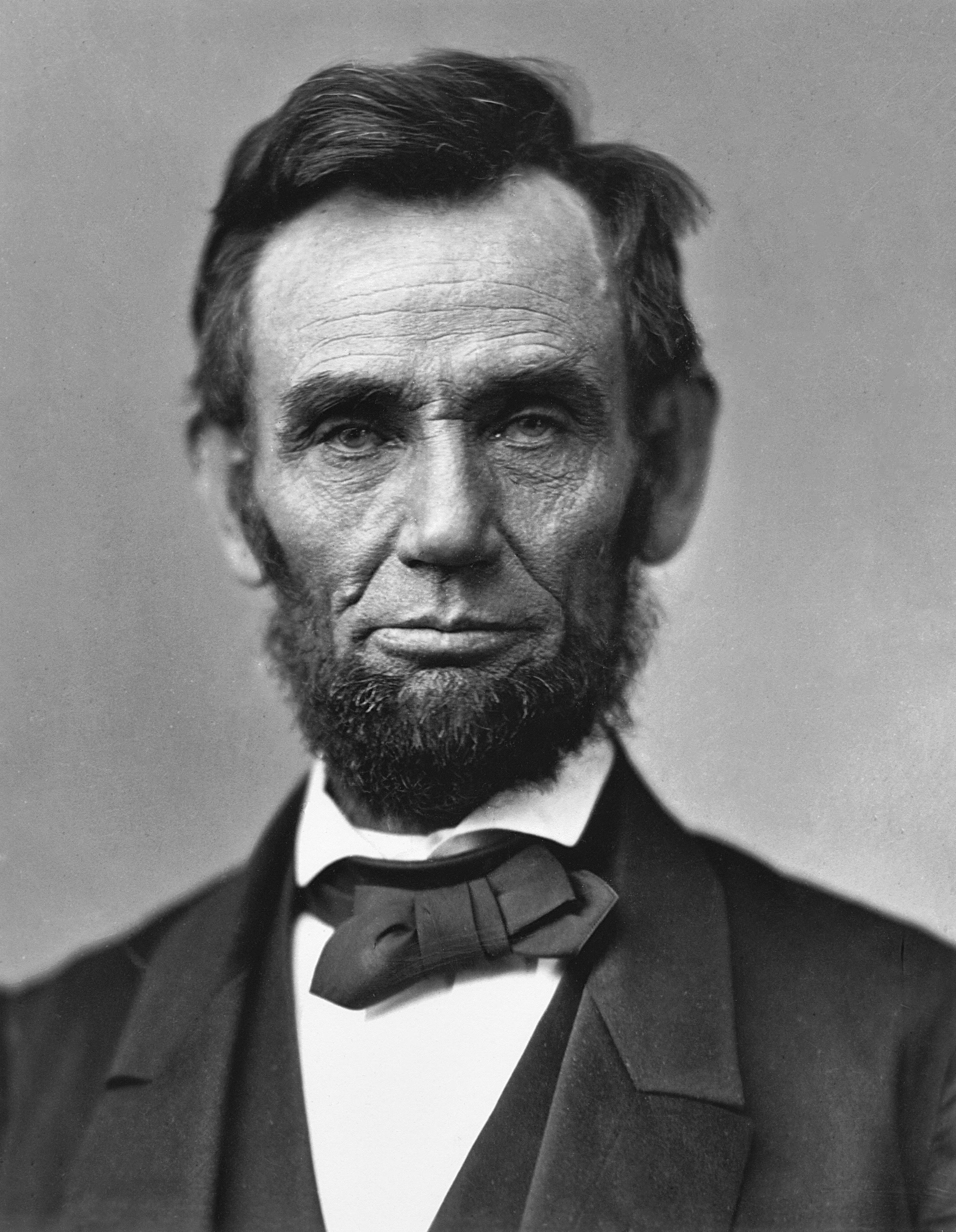
Immediately after Lincoln was elected, the state government of South Carolina voted unanimously to secede from the United States
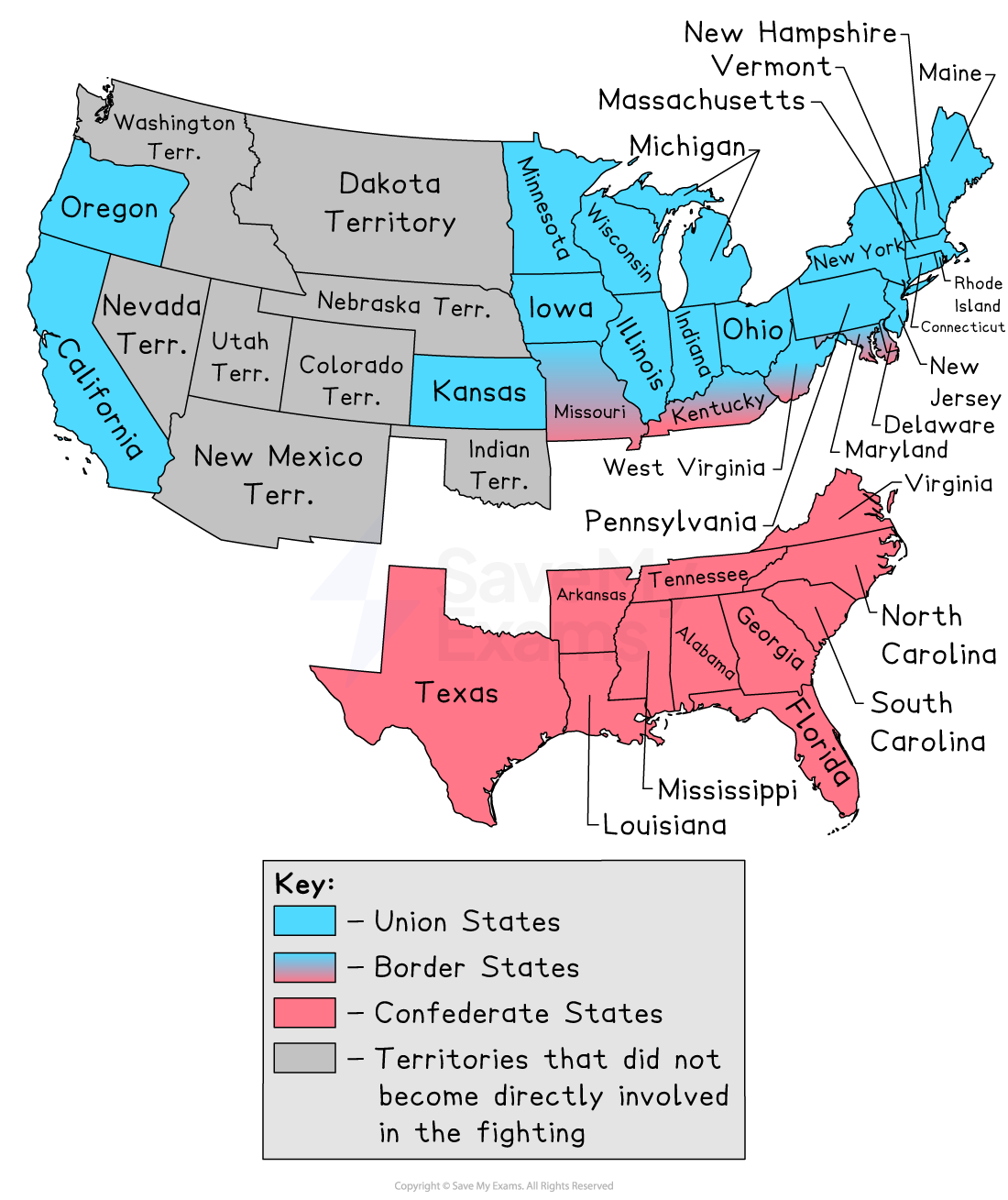
A total of seven states voted to leave the United States and form the Confederacy of States
In February 1861, the Confederacy elected a new government based in Montgomery, Alabama
Lincoln's reaction to the creation of the Confederacy
Lincoln announced that the secession of the seven southern states from the Union was illegal
He declared that all government buildings and property in the seven southern states still belonged to the US government
This included army forts
The Attack on Fort Sumter
The Confederacy was faced with a choice between allowing US soldiers to stay in their states or forcing them to leave
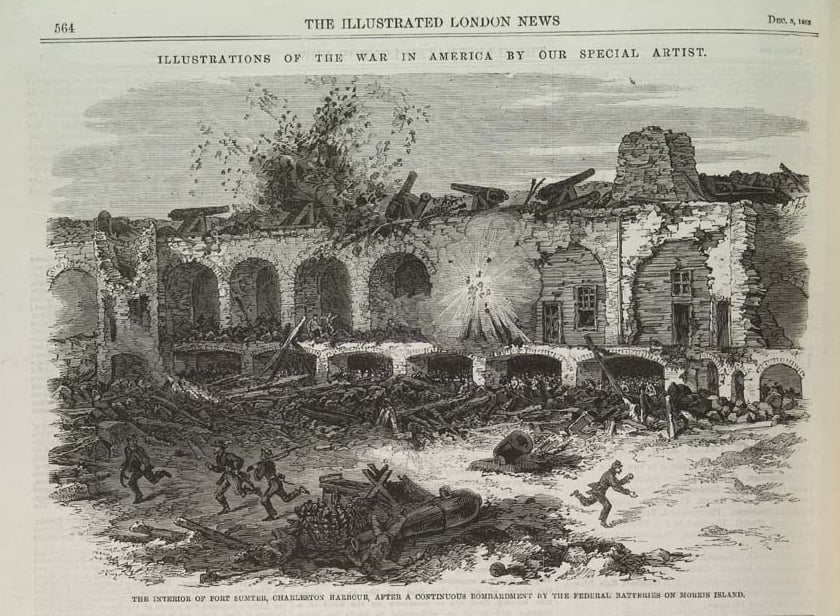
On 12 April 1861, Confederate forces launched a bombardment on the Union soldiers based at Fort Sumter in the Confederate state of South Carolina
In response, Lincoln ordered all loyal US soldiers to end the rebellion
The Union states of the North were now at war with the Confederate states of the South
Worked Example
Name one of the seven states that formed the Confederacy in 1860 and 1861.
[1 mark]
Answer
One of the seven states that formed the Confederacy in 1860 and 1861 was South Carolina and it was also the first state to vote to leave the Union

Unlock more, it's free!
Join the 100,000+ Students that ❤️ Save My Exams
the (exam) results speak for themselves:

Was this revision note helpful?
