How did People Respond to Nazi Rule? (OCR GCSE History B (Schools History Project)): Revision Note
Exam code: J411
Summary
Although some people violently opposed the Nazis when they invaded and conquered their countries, others welcomed them. Many were somewhere in between and did what they thought was best to help themselves and their families survive.
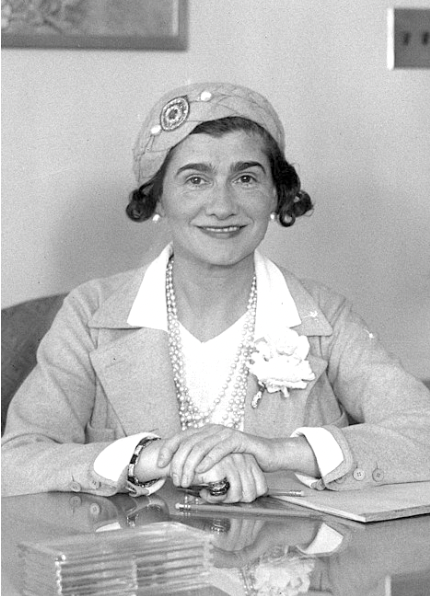
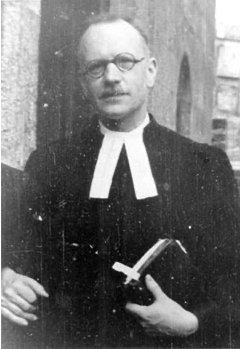
This was the case all across Europe, including France. Some people, such as Coco Chanel, accepted their new rulers and tried to make the situation work for them. Others, such as André Trocmé, could see what was happening to those targeted by the Nazis and tried to save their Jewish friends and neighbours.
How did people respond to Nazi rule?
The responses of people to Nazi rule varied
Some people welcomed their new rulers and collaborated with them
Some people tried to kill the Nazis and risked their own lives in doing so
Many people just tried to get on with their lives as best as they could
Notable collaborators
In Latvia, the Nazis found that many students and members of the Latvian Army were supportive of Nazi views
They set up the Arājs Kommando or Auxiliary Security Police to work alongside the SS
It is estimated that the Arājs Kommando murdered around 26,000 Latvian Jewish people
In Croatia, a right-wing political group called the Ustaše worked with the Nazis and constructed their own concentration camps
Around 25,000 Jewish people were murdered by the Ustaše
In Serbia, the nationalist Chetniks fought alongside the Nazis during their invasion of Yugoslavia
In Belgium, the nationalist DeVlag movement helped recruit people for the Waffen SS
At one point in the war The DeVlag movement had over 50,000 members
Notable resistance movements
The Bielski Partisans were formed by four brothers who had escaped from a Jewish ghetto in Poland
They lived and hid out in a forest from where they launched sabotage attacks on the Nazis
Large numbers of small groups in France became known as the 'French Resistance'
They fought a guerrilla campaign against the Nazis
Occupation of France
France was quickly defeated at the start of World War 2 and occupied by the Nazi armies
The Nazis divided the country into two:
The 'occupied zone' in the north was directly run and controlled by the Nazis
The 'free zone' in the south became known as Vichy France
This region was run by Nazi collaborator and former First World War General, Philippe Pétain
Many French people felt deeply humiliated by the defeat and occupation
In the occupied zone, they had to live under strict rules and endure hardships and shortages
They also had to look at the Nazi flags draped over public buildings
When Germany began to experience a labour shortage
Hundreds of thousands of French men were deported to Germany to work as labourers
The Nazis ruthlessly and brutally crushed anyone who plotted against them and many were executed
Note: Please insert Vichy France Map here
How did people collaborate with the Nazis?
Collaboration with the Nazis took many forms:
The Vichy government passed anti-Jewish laws and helped to arrest and deport French Jewish people
French companies and factories produced weapons and vehicles for Germany
Some French people even joined the Waffen SS
Others informed on neighbours or began romantic relationships with German soldiers
How did people accommodate the Nazis?
Most people lived and worked alongside German soldiers who were stationed all across France
They served German soldiers in restaurants and shops
Others, such as civil servants and railway workers, became employed by the Nazis once France was occupied
Rules and regulations, such as carrying ID cards and obeying curfews, were mostly followed
By doing this, they were not actively supporting or helping the Nazis, but they were keeping themselves and their families safe
Coco Chanel
Coco Chanel became a world-famous fashion designer in the 1930s
When the Nazis invaded, she decided to stay in Paris, though she had the chance to leave
She lived at the Hotel Ritz, where most of the important Nazi officers also stayed
She had a romantic affair with a German officer
She tried to have Jewish directors of her company removed using the Nazi anti-Jewish laws
At the end of the war, many accused Chanel of collaborating with or even spying for the Nazis
She was questioned, but Winston Churchill was a personal friend and he intervened on her behalf
How did people resist the Nazis?
French resistance against the Nazis took a variety of forms:
Military intelligence, such as troop numbers and defences, was gathered and passed to London using secret radios
Railways, bridges and factories were blown up or damaged
This aimed to disrupt the Nazi supplies and troop/armament movements
German soldiers were attacked in ambushes
Other people helped those in danger, such as Jewish people or Allied airmen who had been shot down
The resistance provided them with false ID papers and helped them escape to Switzerland or Spain
As the American and British armies approached, many resistance groups launched uprisings against the defending German forces
This helped speed up the liberation of France
André Trocmé
Trocmé was a Protestant pastor
He lived in the south-eastern part of France, which came under the control of the Vichy government after the Nazi invasion
When the Vichy authorities started rounding up and deporting Jewish people in his area, he decided to act
Trocmé worked with the local population to help Jewish people hide
He provided them with false ID papers and helped them escape to Switzerland
Trocmé was arrested in February 1943 after the authorities began suspecting him
He was released without charge due to a lack of evidence
In late 1943, Trocmé went into hiding and remained in hiding for the rest of the war
This was not before he had helped thousands of Jewish people avoid being sent to concentration camps and death camps

Unlock more, it's free!
Join the 100,000+ Students that ❤️ Save My Exams
the (exam) results speak for themselves:

Was this revision note helpful?
