Syllabus Edition

First teaching 2025

First exams 2027

Coastal Processes & Landforms (Cambridge (CIE) O Level Geography): Exam Questions

Exam code: 2217

1 hour18 questions
1a
1 mark

Study Figure 2.1, a photograph showing a bay at low tide.
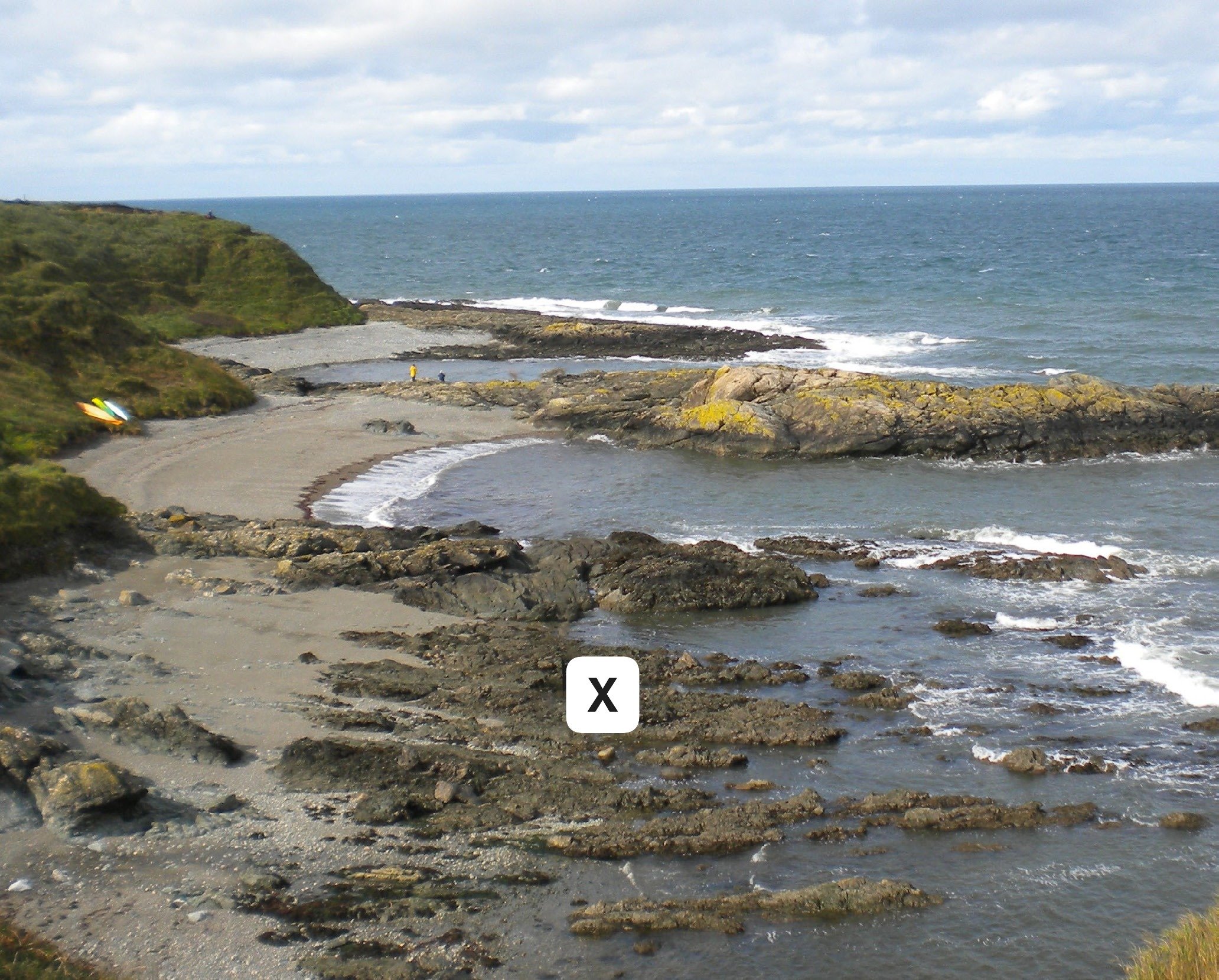
Rocky coastal bay with sandy beach and green cliffs, waves lapping against rocks, and small boats on the shore under a cloudy sky.

Name the coastal landform labelled X in Figure 2.1.

1b
2 marks

Use Figure 2.1 to identify two characteristics of the landform labelled X.

1c
3 marks

Use Figure 2.1 to describe the features of the bay. Do not refer to landform X.

2a
1 mark

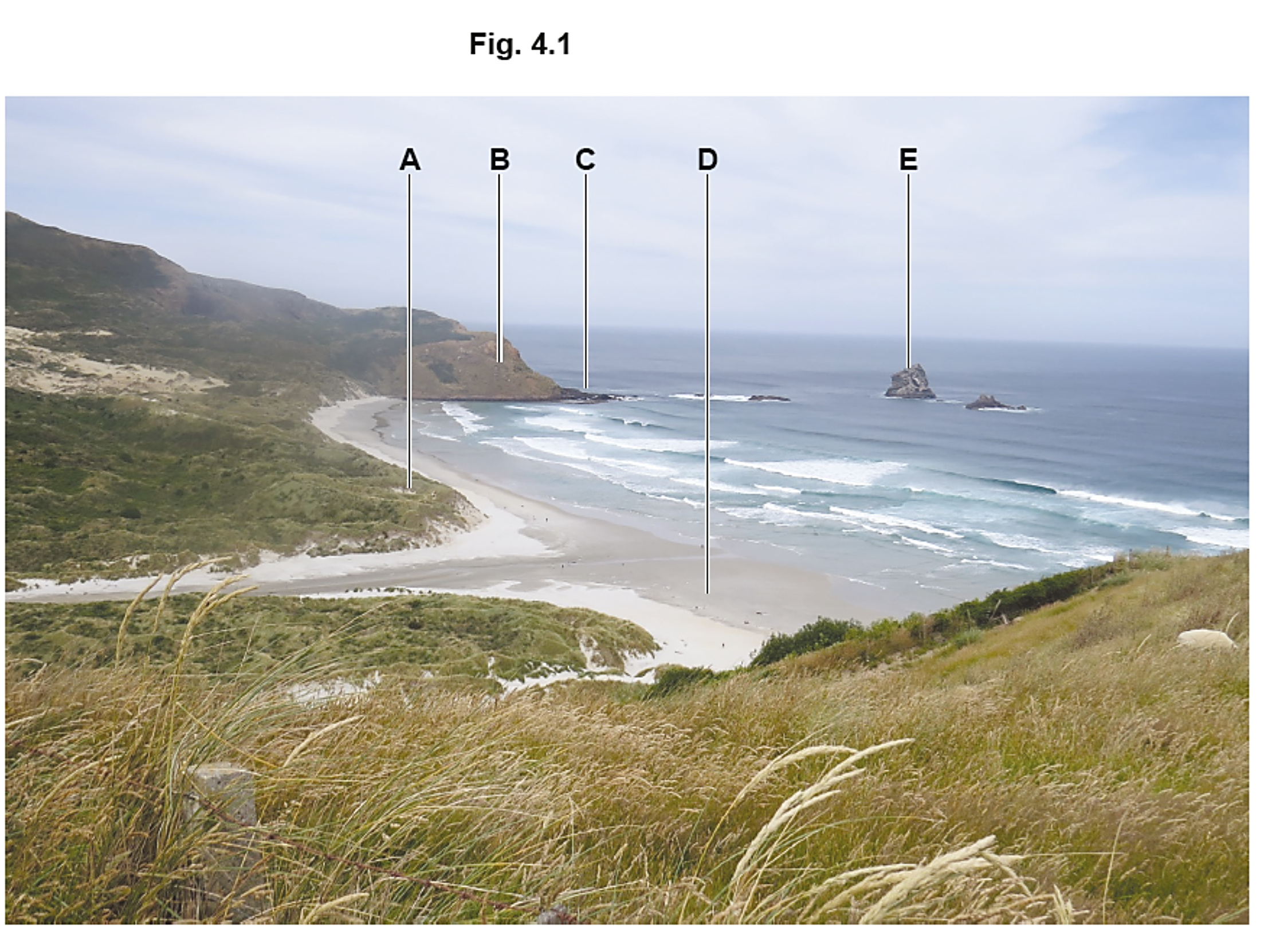
Fig. 4.1 shows a coastal area in New Zealand. Identify features A–E shown in Fig. 4.1.

Coastal landscape with grassy dunes in foreground, sandy beach, rocky headlands labelled A-E, and ocean with waves under a lightly cloudy sky.

Identify feature A.

  • sand dune

  • beach

  • cave

  • headland

2b
1 mark

Identify feature B in Fig. 4.1 that shows a coastal area in New Zealand.

  • sand dune

  • spit

  • cave

  • headland

2c
1 mark

Identify feature C in Fig. 4.1 that shows a coastal area in New Zealand.

  • spit

  • stack

  • wave-cut platform

  • arch

2d
1 mark

Identify feature D in Fig. 4.1 that shows a coastal area in New Zealand.

  • beach

  • headland

  • spit

  • wave-cut platform

2e
1 mark

Identify feature E in Fig. 4.1 that shows a coastal area in New Zealand.

  • spit

  • stack

  • sand dune

  • arch

3
2 marks

State two types of coastal erosion.

4
1 mark

What is meant by longshore drift?

5
1 mark

Identify one characteristic of constructive waves.

6
3 marks

Describe how a spit forms.

7
2 marks

Give two reasons why destructive waves erode coastlines.

1
4 marks

Explain why bays and headlands form along discordant coastlines.

2
4 marks

Explain the difference between constructive and destructive waves.

3
5 marks

Describe how a wave-cut platform forms.

4
4 marks

Explain how geological structure influences coastal landforms.

5
5 marks

Explain how a spit forms.

6
4 marks

Explain how longshore drift affects the formation of coastal landforms.

1
7 marks

Explain how caves, arches, stacks, and stumps are formed.

2
7 marks

Explain how a sand dune system forms and changes over time.

3
7 marks

Explain how wave refraction affects coastal erosion and deposition.

4
7 marks

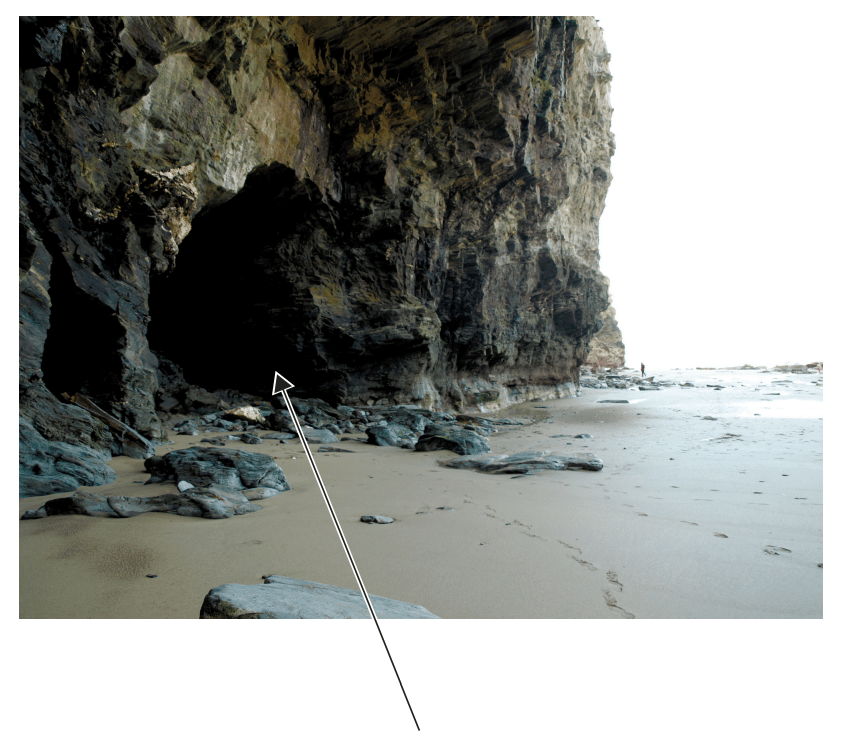
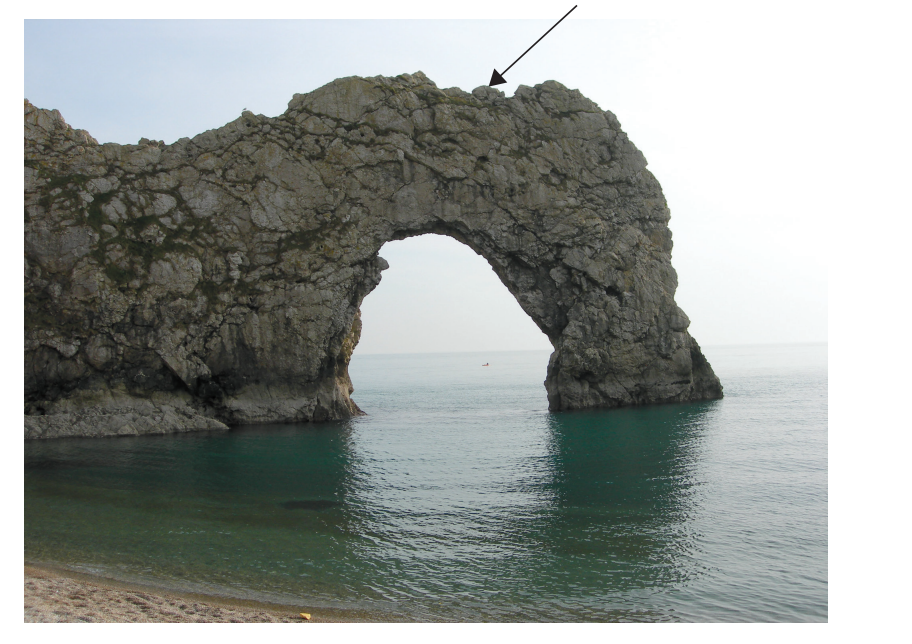
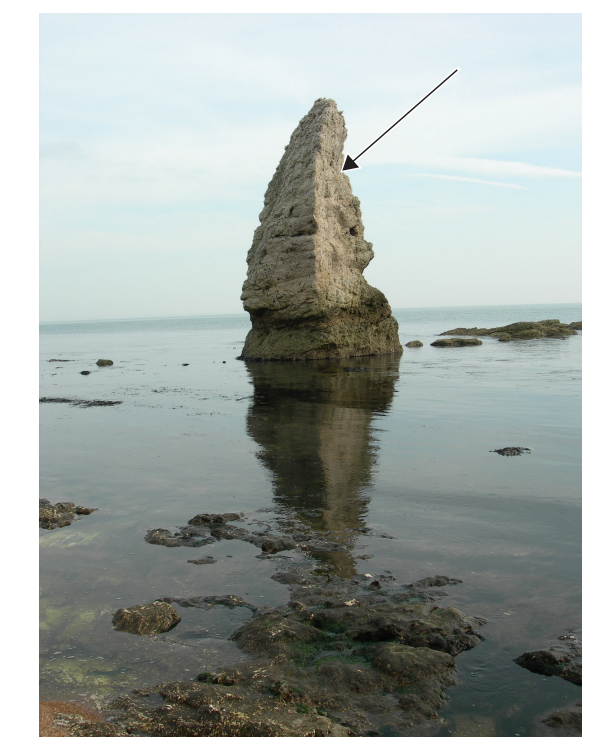
Study Figs. 4.2, 4.3 and 4.4, which are photographs that show different features formed on a headland. 

Rocky coastal cave with a pointed arrow marking the entrance. Sandy beach with scattered rocks and footprints; a person in the distance near the shore.

Fig. 4.2

A rocky sea arch rising from the water, indicated by an arrow, against a calm sea and clear sky backdrop.

Fig. 4.3

Tall rock formation in the sea reflecting on calm water with an arrow pointing to its midsection under a clear sky; some rocks visible in the foreground.

Fig. 4.4

Describe how the features shown in Figs. 4.2, 4.3 and 4.4 were formed on a headland.

5
7 marks

Explain how coastal processes lead to the formation of headlands and bays.