Asymmetric Information & Moral Hazard (Cambridge (CIE) A Level Economics): Revision Note
Exam code: 9708

Information failure
Information failure occurs when buyers and sellers do not have sufficient information to make informed decisions in a market.
Perfectly competitive markets assume perfect information
This means buyers and sellers have full knowledge of prices, quality, and product characteristics
In reality, one party often has more information than the other
This creates asymmetric information, which can lead to inefficient market outcomes
Asymmetric information
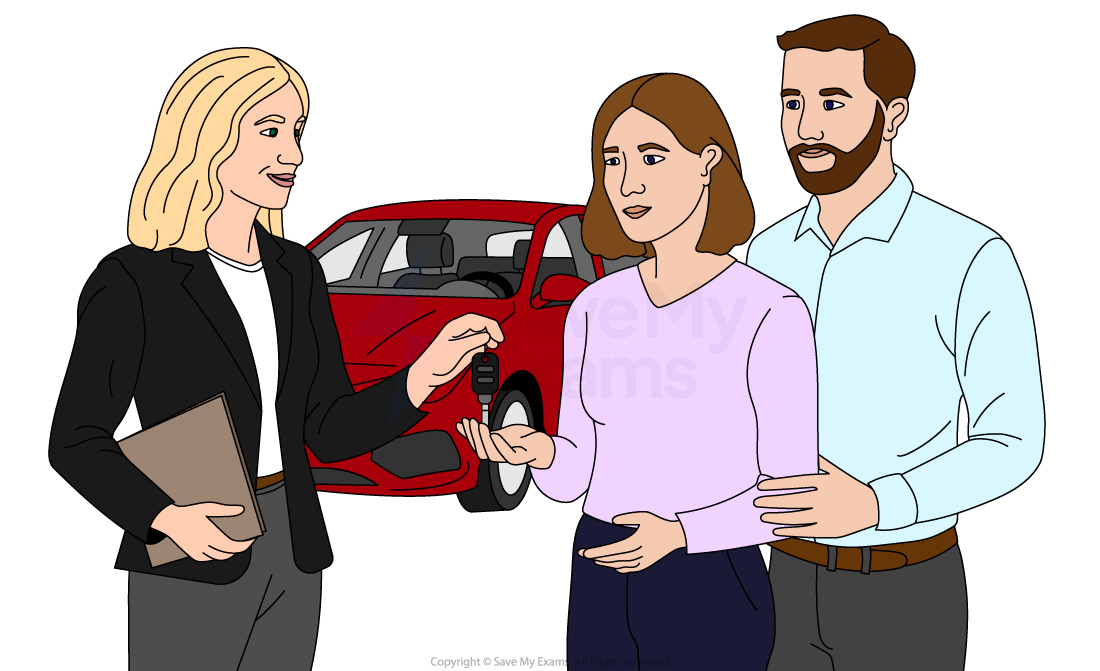
Asymmetric information occurs when one party in a transaction has more information than the other.
This imbalance can distort market decisions
Buyers may purchase goods without fully understanding their quality or risks
Sellers may exploit their informational advantage
Pharmaceutical example
A pharmaceutical company may know about potential side effects of a drug that consumers are unaware of
Consumers may therefore purchase more of the product than is socially optimal
Asymmetric information can lead to problems such as adverse selection and moral hazard.
Adverse selection and moral hazard
Adverse selection and moral hazard arise in the presence of asymmetric information, where one party has more information than the other in an economic transaction
Adverse selection
Adverse selection occurs when individuals with higher risk are more likely to participate in a market.
It typically occurs before a transaction takes place
The party with less information cannot accurately distinguish between high-risk and low-risk individuals
Example: Insurance markets
Individuals who expect to make claims are more likely to buy insurance
Insurers cannot perfectly identify these higher-risk individuals
As a result, insurers may raise premiums
This can lead to:
Low-risk individuals leaving the market
A higher proportion of high-risk customers
Further increases in premiums
This process can cause market failure.
Reducing adverse selection
Firms may use strategies such as:
Risk assessments and background checks
Different pricing for different risk groups
Incentives for low-risk customers
Moral hazard
Moral hazard occurs when individuals take greater risks because they are protected from the consequences of those risks.
It usually occurs after a transaction has taken place
The protected party may change their behaviour because they do not bear the full cost of risky actions
Example
A driver with comprehensive car insurance may drive less carefully because insurance will cover accident costs
This can lead to:
Higher claim rates
Increased costs for insurers
Inefficient market outcomes
Reducing moral hazard
Firms often introduce mechanisms such as:
Deductibles or excess payments
No-claims bonuses
Monitoring and policy conditions
These measures encourage individuals to take greater responsibility for risk

Unlock more, it's free!
Join the 100,000+ Students that ❤️ Save My Exams
the (exam) results speak for themselves:

Was this revision note helpful?
