Definitions of Power (DP IB Global Politics: HL): Revision Note

Economic power
Economic power is seen when states, companies and individuals are able to affect change because of their wealth and access to resources
Economic power gives actors the opportunity to either persuade or force other actors to do what they want them to do
John Mearsheimer, a leading realist political scientist, argues that states are constantly seeking to maximise their power
The best way to increase their importance in global politics is to expand economic power
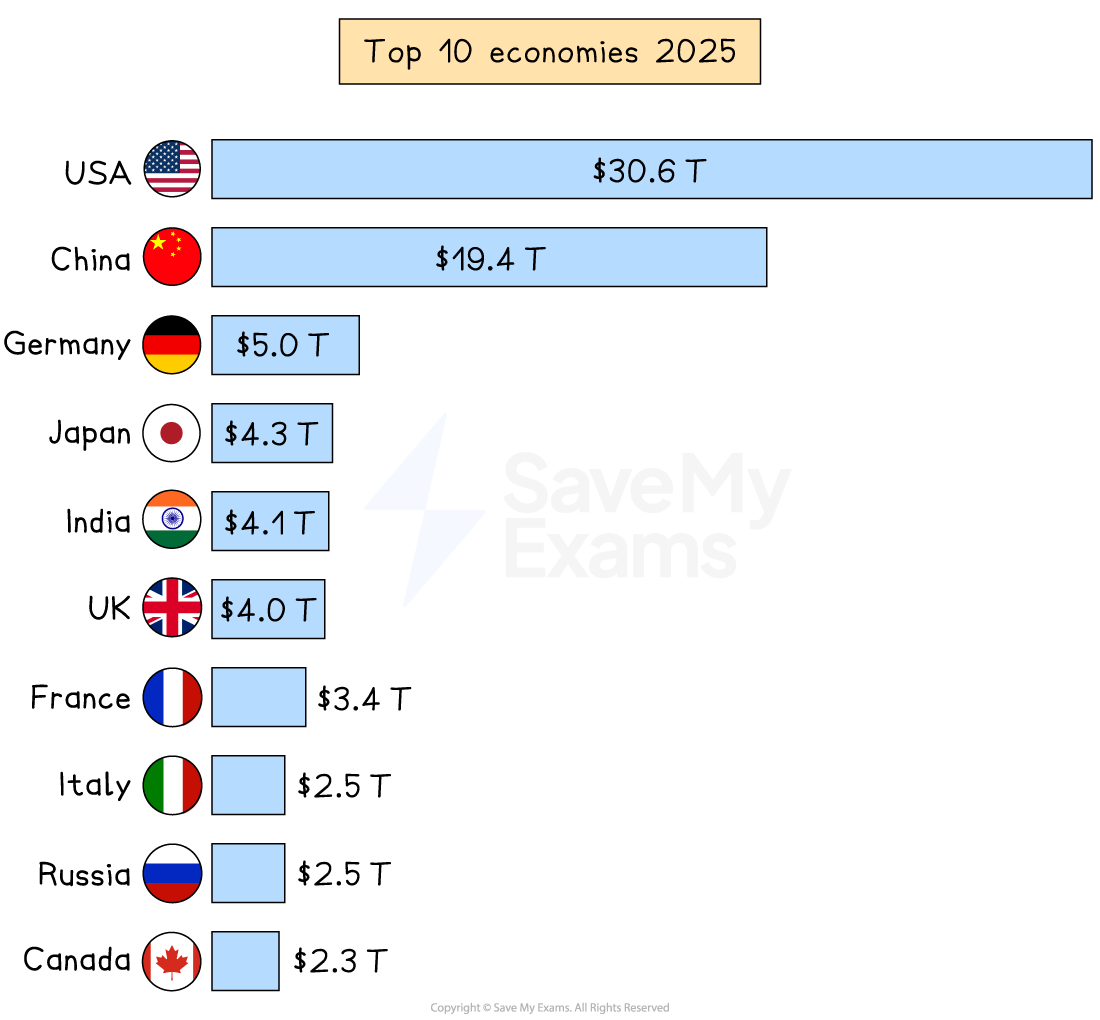
Economic power in states is often equated with their Gross Domestic Product (GDP)
The US has retained the top position in GDP over the past 45 years
China, India and Germany have shown significant growth, mirroring their increased influence in global politics
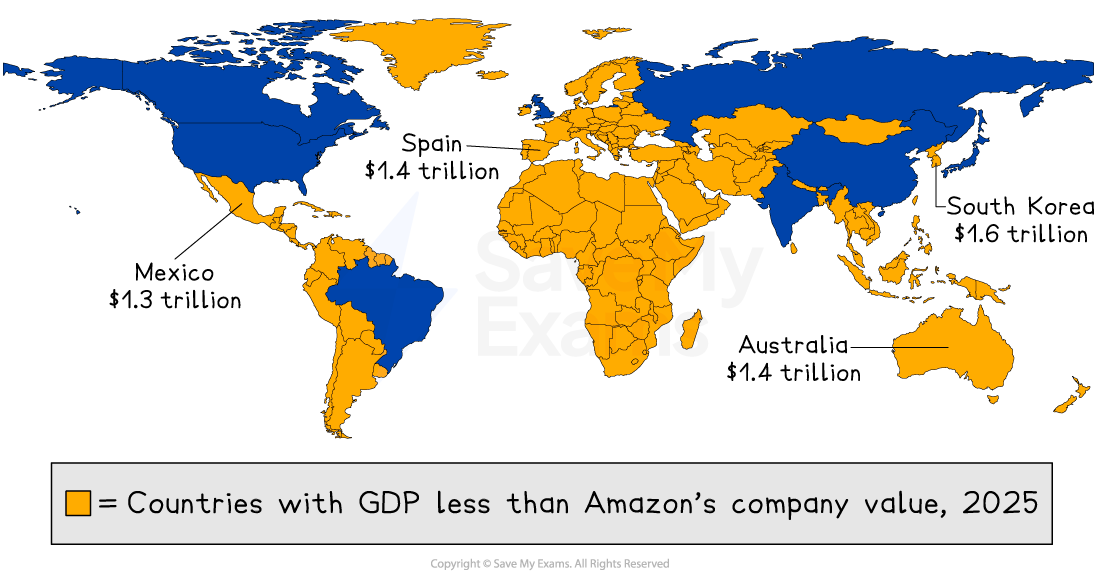
Some companies, including Amazon, Microsoft and Apple have a greater net wealth than many countries
In terms of economic power they exceed many states
They have the economic power to influence governments, policies and global markets in ways similar to, or even greater than, some states
Political power
Political power refers to the ability of actors to shape or change
government laws and policies
social behaviour
norms
In single-party states political power is concentrated within the leadership
In democracies political power is supposed to be shared amongst the people, to varying degrees, and the government in power
However:
Wealthy individuals and companies can manipulate political power by donating money, legally and illegally, to political parties and leaders, thereby encouraging them to act in the interest of those donating
Social media has been used by multiple actors to manipulate voters with disinformation, thereby influencing who they vote for and the policies they support
Individuals and social activists can bring about positive changes to social norms which can lead to changes in laws and policies
Case Study
Social media and the 2016 US Presidential Election
Political power can be influenced by different actors, including governments, companies and individuals
An example can be seen in the 2016 United States presidential election
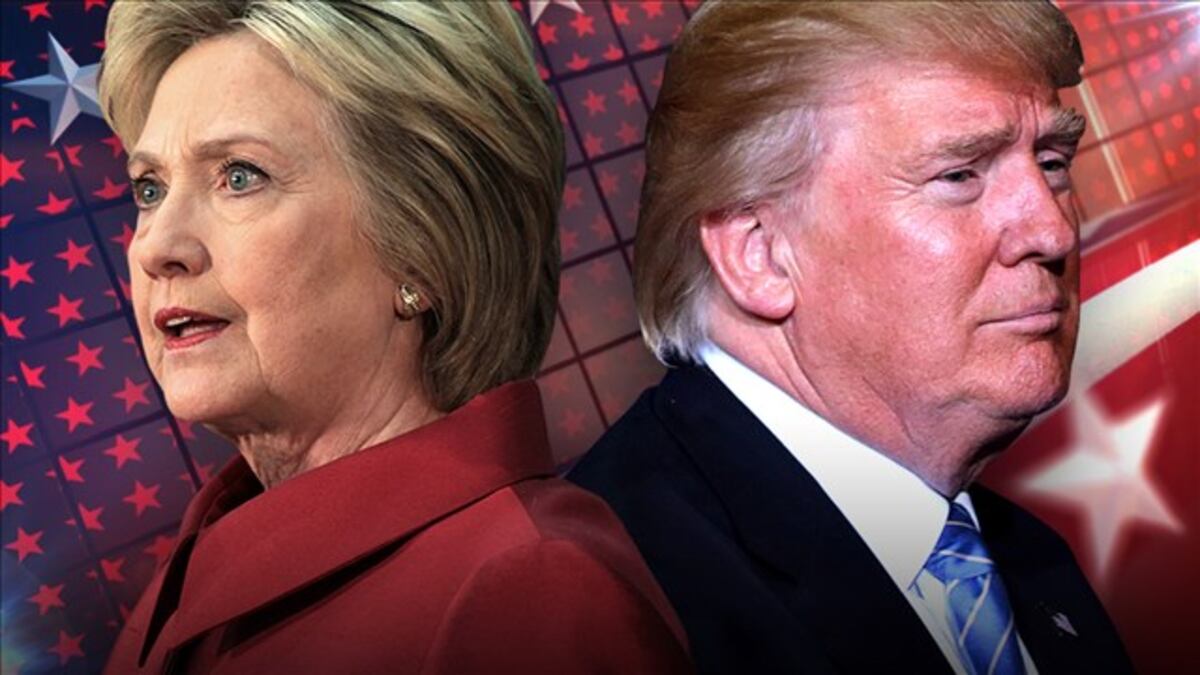
Role and influence of social media
During the campaign, social media platforms such as Facebook and Twitter were widely used to share political messages
Investigations later found that some actors spread disinformation and misleading political content online
These messages were designed to influence voters’ opinions and behaviour, shaping how people viewed candidates and political issues
At the same time, social media has also been used by activists and campaigners to promote political causes and influence social norms
Overall significance
This demonstrates that political power can be used in both positive and negative ways to shape laws, policies and public attitudes
Social and cultural power
Social and cultural power is the ability of a state or actor to influence others through culture, values, ideas and social norms
Social and cultural power is linked to Joseph Nye’s theory of soft power
Contemporary signs of social and cultural power can often be traced to historical events linked to colonialism between the 15th century and 20th century
English is widely accepted as the most useful and therefore powerful language because of the British Empire
Many of the world’s systems of formal education are modeled on British or European schools
Western food, holidays, art and fashion can be found in almost any state in the world
Political scientist Edward Said argued that although the empires of colonialism collapsed in the 20th century, Western cultural domination continues to marginalise and diminish the importance of Non-Western societies
This sense of superiority and dominance is often destructive and dangerous
In the 20th century as colonial empires faded, the USA began to dominate in terms of social and cultural power
American films, TV and other forms of entertainment are the biggest moneymakers globally
The USA is one of the most popular countries for international tourists
American universities, including Harvard and Yale, are very popular with international students
Cultural and social power should not be underestimated
This type of soft power is very influential and significantly impacts how people think and behave

Unlock more, it's free!
Join the 100,000+ Students that ❤️ Save My Exams
the (exam) results speak for themselves:

Was this revision note helpful?
