Shifting Global Norms Around Sovereignty (DP IB Global Politics: HL): Revision Note

Global interdependence
Global norms surrounding state sovereignty have shifted over the last century, reflecting increased global economic interdependence and interconnectedness
Today there is extensive evidence of interdependence or mutual reliance amongst many actors and stakeholders
This has impacted norms surrounding sovereignty
In particular, the state is not always fully in control of what is happening within its borders
This can be seen in multiple ways
Ways global interdependence challenges state sovereignty
Intergovernmental organisations | Transnational companies |
|---|---|
|
|
Global NGOs | Migration, trade, travel and the Internet |
|
|
There are multiple actors involved in political issues, not simply the state
Case Study
The International Criminal Court (ICC) and Sudan
The ICC is an international organisation that investigates and prosecutes individuals accused of war crimes, crimes against humanity and genocide
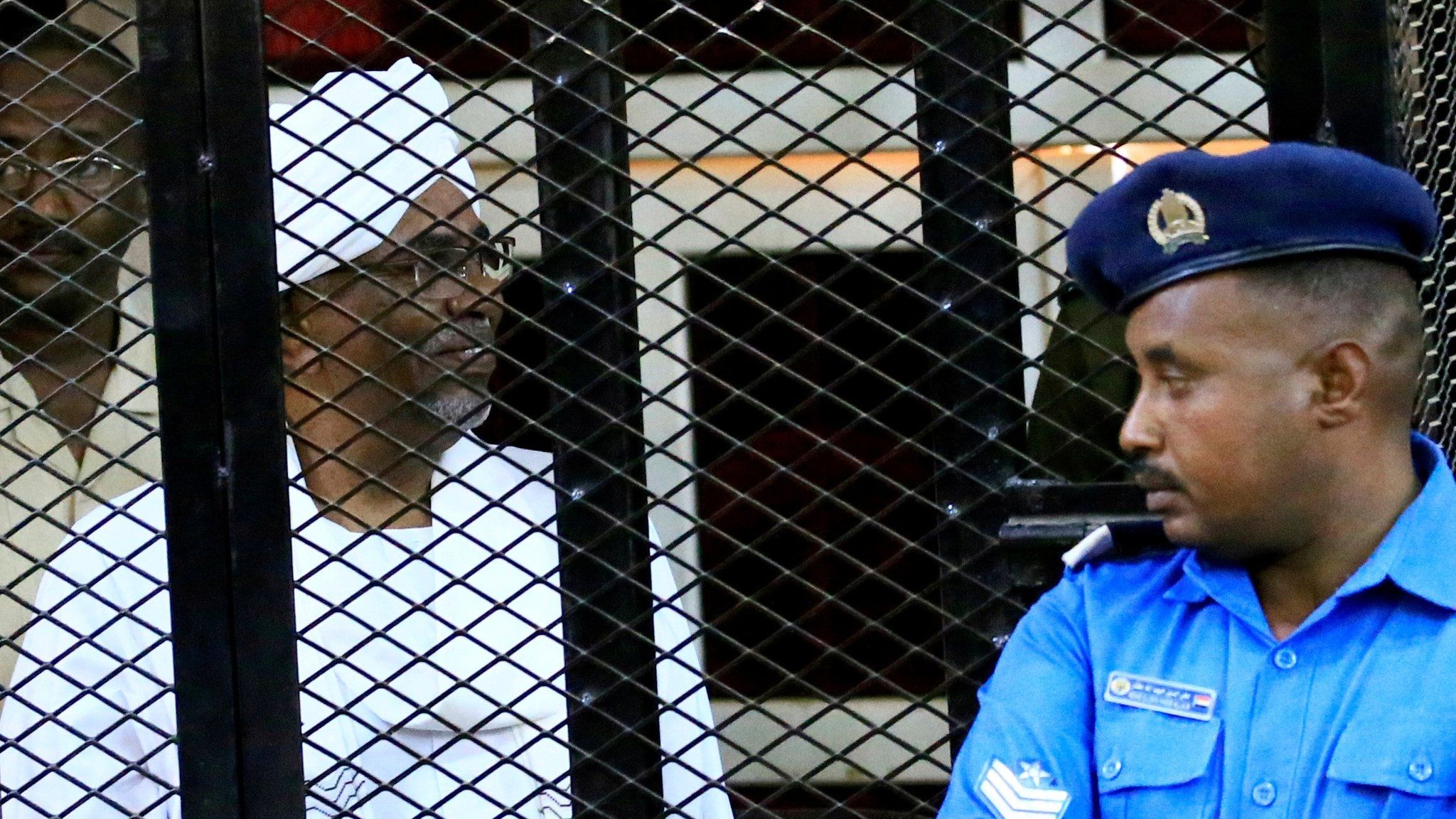
The case of Sudan
In 2009, the ICC issued an arrest warrant for Sudan’s president, Omar al-Bashir, accusing him of crimes linked to the conflict in Darfur
This was significant because it showed that an international legal institution could challenge the authority of a national leader
Significance
The case also involved global NGOs and human rights groups, which documented abuses and pressured the international community to act
This example shows that states are not always fully in control of what happens within their borders
International law, NGOs and global institutions can influence how governments behave, reflecting the growing interdependence between actors in global politics
Interference and influence of other states
It has become more common to see challenges to state sovereignty
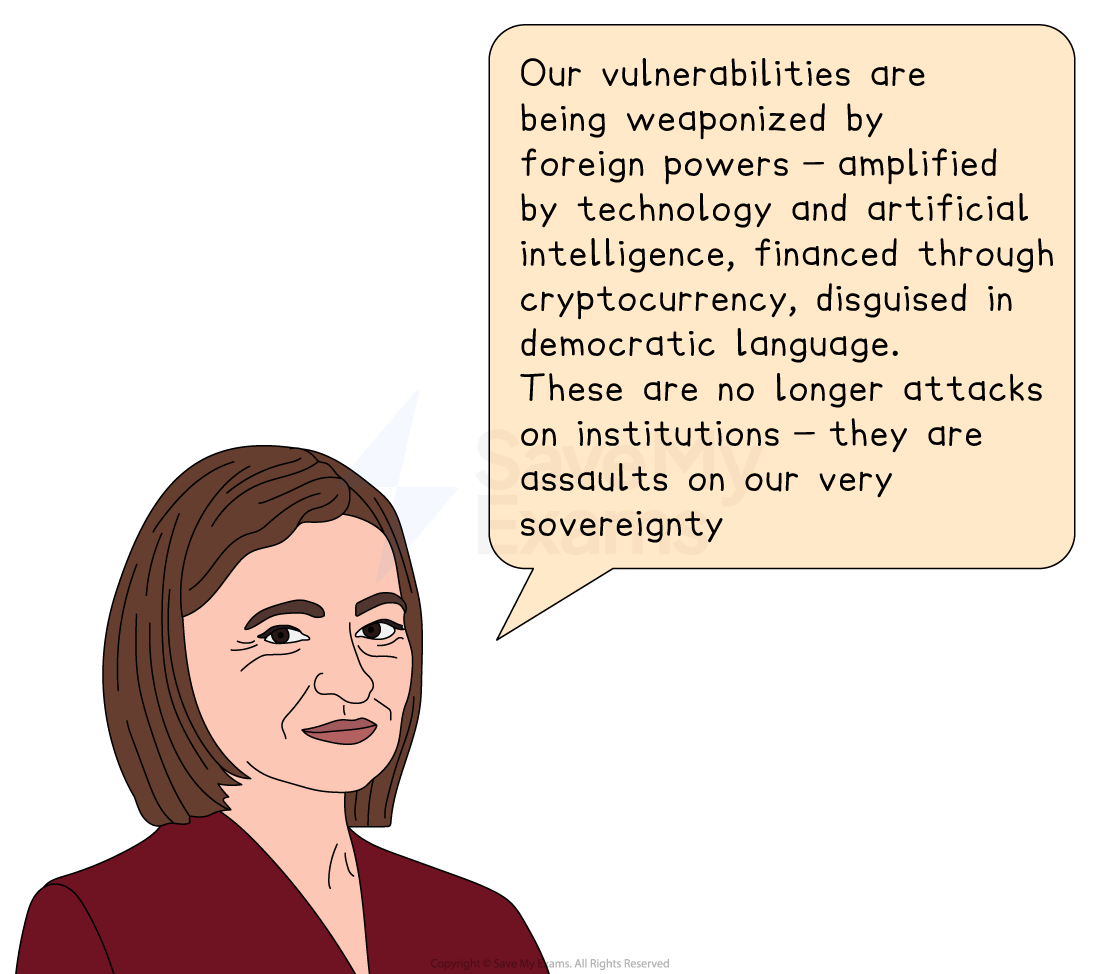
Traditionally seen in wars and conflict, there are now multiple ways state actors can interfere with and influence the sovereign rights of states
Interfering in elections or other government institutions
Criticising human rights policies
Manipulating information shared within the state though social media, AI and other technologies
Threatening or bribing politicians to make policies that benefit their state
Encouraging violent resistance
Humanitarian intervention
Humanitarian intervention allows other actors to threaten or use military intervention against a state if an extreme humanitarian crisis is taking place
The global community has long struggled with what action should be taken if atrocities are being committed within a state
Traditional notions of sovereignty prohibit any interference, but this has become increasingly challenged by the concept of humanitarian intervention
It is mostly applied with the consent of the affected state, avoiding direct violation of state sovereignty
If used without consent, it is a clear breach of traditional notions of state sovereignty
By taking the exclusive use of force away from the state
By crossing borders
By removing the authority of the government
Humanitarian intervention without the consent of the state is controversial
State sovereignty is an incredibly important concept in global politics, and this violates all of the well-established principles
Supranationality
Supranationality is where countries give some of their decision-making power to a higher international authority that can make decisions binding on all members
This is linked to intergovernmental organisations (IGOs) and pooled sovereignty
Supranational organisations challenge traditional and realist views that the state is the most important actor in global politics
These organisations are sometimes mistakenly called 'non-state actors'
However, as they are made up of state actors, they should be referred to as 'supranational organisations'.
IGOs require states to work collectively and as a result the state loses its absolute authority to make decisions for itself
The organisation has authority above its state members
Member states allow the organisation to make decisions on their behalf
Decisions made are binding and cannot be challenged or ignored
Examples of supranational organisations include
The European Union (EU)
The World Trade Organisation

Unlock more, it's free!
Join the 100,000+ Students that ❤️ Save My Exams
the (exam) results speak for themselves:

Was this revision note helpful?