Long Term Sources of Legitimacy (DP IB Global Politics: HL): Revision Note

History
The history of a state’s existence is a long-term source of its legitimacy
The longer a state has existed, the more accepted it becomes as a member of the global community
In IB Global Politics we do not explore historical events, but we should consider how history can impact the contemporary legitimacy of states and governments
Although this 1920 map of Europe is not identical to a modern map of Europe and borders have shifted, many of the states should be familiar
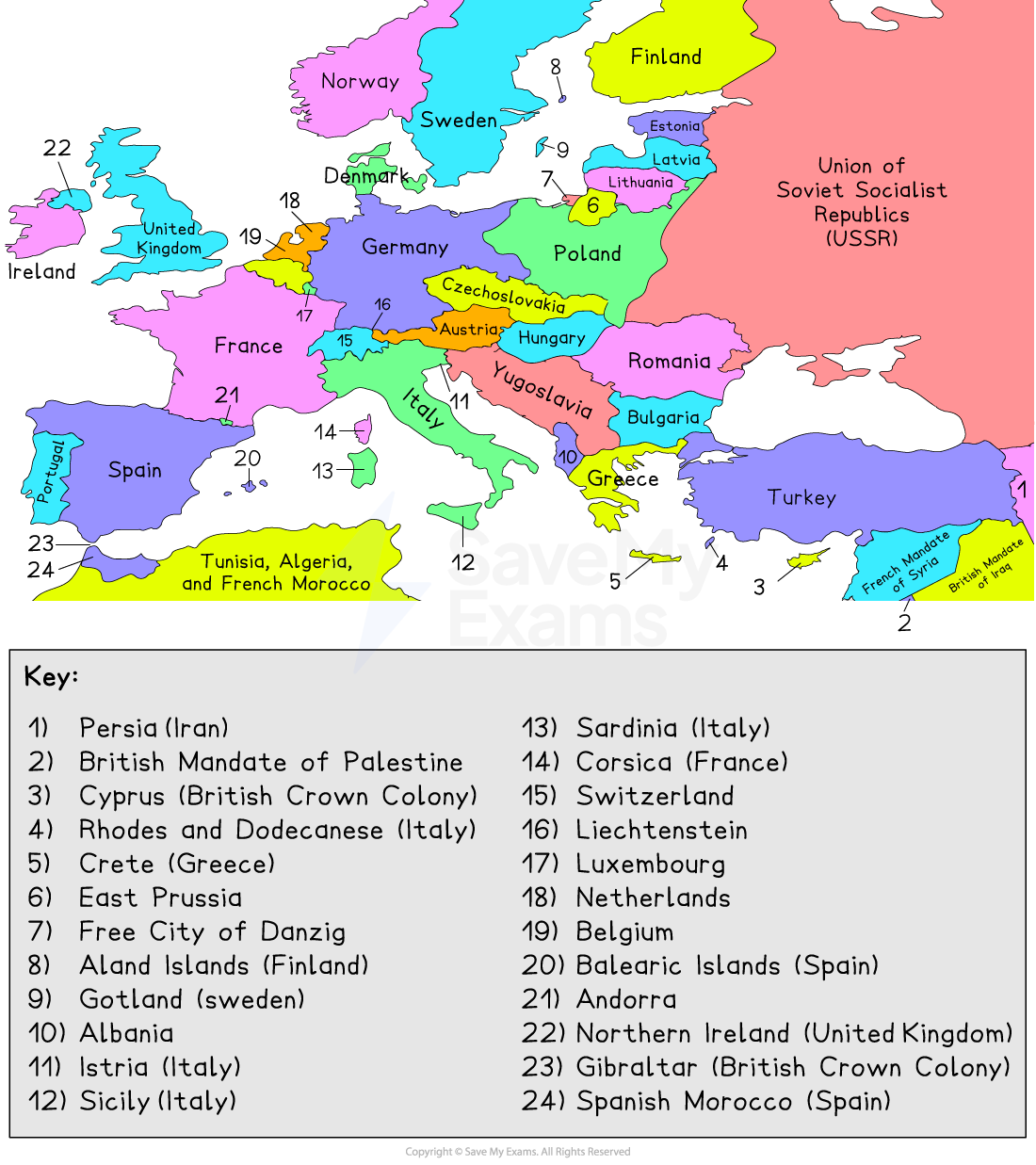
Many of the states in the map have legitimacy because they have been around a long time and are very familiar, including
Spain
Italy
Germany
Even though the governments of those states have undergone dramatic changes since 1929, the states themselves have retained their legitimacy
History of the state government
State governments come and go, but some political parties may have greater legitimacy than others based on their history
Democracies tend to have greater legitimacy, but even within democracies some political parties have varying degrees of legitimacy, partly because of their history
Actors can challenge the legitimacy of a government while still accepting the legitimacy of the state itself
In democracies, it is common for citizens to oppose governments through protests, elections and political activism without rejecting the authority of the state
Case Study
Legitimacy and political parties in the United States

Background
The Republican Party in the United States was established in 1858 and has been one of the two major political parties in the country for more than a century
Its long history in American politics gives it a degree of historical legitimacy
It is often called the Grand Old Party (GOP), reflecting its values and its role in helping preserve the Union during the American Civil War
Public support and legitimacy
Many US citizens continue to support the Republican Party
For example, Donald Trump’s victory in the 2024 presidential election showed that a large number of voters accept the party’s role in government
Contestation
However, other citizens question the legitimacy of governments led by the party
This has led to protests and resistance movements from groups who disagree with government policies or leadership
Ideology
'Ideology' refers to a set of ideas, beliefs, and values that explain how society should be organised and governed
The legitimacy of government ideology is debatable because it is dependent upon who or what is approving of the ideology
Even within democracies the legitimacy of ideologies can change over time
Most IGOs and NGOs fully support the global norm that democracies have greater legitimacy because citizens have agency and choose the government
Liberalism as a theory also argues that democracy has the greatest legitimacy
Nationalism is on the rise in many democratic states
This suggests that more people want a government to prioritise national pride and interests over cooperation and globalisation
Assessing the legitimacy of ideology in single-party states is difficult because people are not free to express their opinions
National identity
National identity is the shared sense of belonging to a nation, based on common culture, history, language, traditions and beliefs
It is an important component of state and government legitimacy
This shared sense of identity connects directly to state legitimacy
Governments often use this sense of pride in a common identity to bring legitimacy to their own leadership by wearing traditional clothing or attending cultural events
Case Study
National identity and legitimacy in India
In India, national identity plays an important role in supporting the legitimacy of the state and government
India has a strong shared identity based on history, culture, traditions and languages, including major festivals such as Diwali and Holi that are celebrated across the country
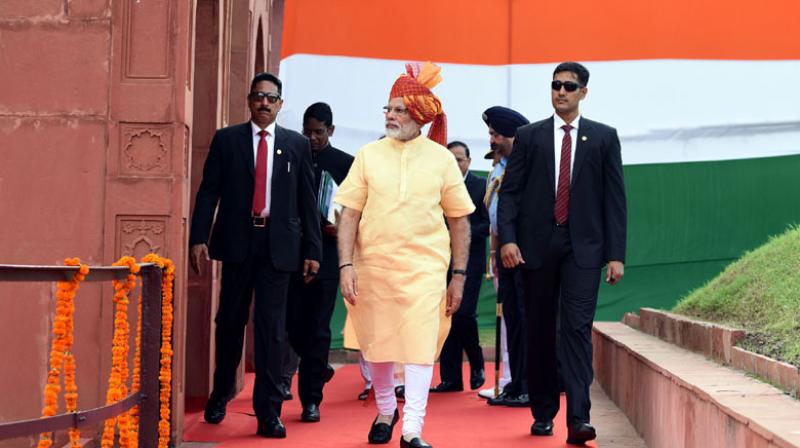
Political leadership and identity
Political leaders often connect themselves to this national identity
For example, Prime Minister Narendra Modi frequently appears at major cultural and religious events and sometimes wears traditional Indian clothing during public ceremonies and international meetings
Significance
By highlighting shared traditions and cultural pride, political leaders aim to strengthen the connection between national identity and their own leadership

Unlock more, it's free!
Join the 100,000+ Students that ❤️ Save My Exams
the (exam) results speak for themselves:

Was this revision note helpful?
