IGOs & Non-State Actors (DP IB Global Politics: HL): Revision Note

Global governance
Global governance is the idea that as we live in an interconnected and globalised world, we must work together to agree upon the best way to ensure global order and stability
Global governance involves a wide range of actors and stakeholders who contribute to managing global issues
These actors play different roles, including creating rules, promoting cooperation, enforcing agreements and addressing shared challenges
The United Nations is often thought of as the most significant institution of global governance, but this is only partially true
Interactions of many people, norms and laws are needed for global governance to function
States
Non-state actors
Intergovernmental organisations (IGOs)
Institutions
International laws
Ideas and norms
Formal and informal networks
Global governance is all about power dynamics - who or what has power and how is this power used
It is a liberal concept, as it requires cooperation and an acceptance of the interdependent nature of global political issues
Regional intergovernmental organisations
Regional IGOs, such as the European Union (EU) or African Union (AU), promote cooperation between neighbouring states
They help coordinate economic policy, security and political cooperation
These organisations can be more effective than global bodies because members share geographic and political interests
Organisations focused on common goals
These include NGOs and international organisations that focus on specific issues such as human rights, development or the environment
They play a key role in:
Raising awareness
Influencing policy
Delivering aid and services
International cooperation to address political issues is necessary for global governance to function
However, competition also exists between these actors so there is some debate as to how successful international cooperation is
Liberals argue that international cooperation and interconnectedness benefits all and creates effective global governance
Realists argue that if states cooperate with other states, it is only for their own benefit - in other words, global governance is an illusion
Examples of international cooperation
Political issue | Shared understanding | Actors involved | Examples |
|---|---|---|---|
Security |
|
|
|
Environmental concerns |
|
|
|
Economic and social development |
|
|
|
Intergovernmental collective security organisations
Organisations such as NATO aim to maintain peace by ensuring collective defence
Member states agree that an attack on one is an attack on all
These organisations play a key role in deterring conflict and maintaining stability
Treaties
Treaties are formal agreements between states that establish rules and expectations in global governance
They help coordinate state behaviour on issues such as climate change, trade and security
Their effectiveness depends on state cooperation and willingness to comply
Global interactions and networks
In addition to laws and agreements made between states and monitored by other actors, some global interactions and networks are less formal
All are related to globalisation
Cultural exchanges are commonplace as more people travel and share views and lifestyles through social media
Ideological exchanges take place though online communication
Informal cooperation can take place between different institutions, including:
schools and educational institutions
religious groups
youth groups
sporting associations
Case Study
Global cultural exchange through the Olympic Games
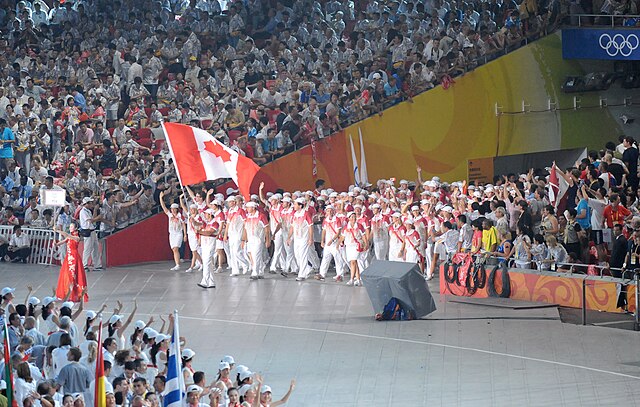
The Olympic Games are an international sporting event that brings together athletes and spectators from countries around the world
Although organised by the International Olympic Committee (IOC), the Games also create many informal global interactions between people, institutions and cultures
Cultural exchange
During the Olympics, athletes, coaches and visitors from different countries share cultural traditions, languages and values
Events such as opening ceremonies often highlight national history and cultural identity, while athletes interact with people from many other societies
Institutional cooperation
The Games also encourage cooperation between schools, youth organisations, sports associations and community groups
Young athletes often participate in international competitions and training programmes that help build connections between institutions across different countries
Globalisation and communication
Modern technology and social media allow athletes and fans to share experiences and ideas instantly with global audiences
This creates opportunities for ideological and cultural exchange beyond formal political agreements
Impact
The Olympic Games demonstrate how informal global networks created through sport, education and youth organisations can strengthen international connections and encourage cultural understanding in a globalised world

Unlock more, it's free!
Join the 100,000+ Students that ❤️ Save My Exams
the (exam) results speak for themselves:

Was this revision note helpful?