Critical Theories (DP IB Global Politics: HL): Revision Note
Jane Hirons

Written by: Jane Hirons

Reviewed by: Lisa Eades

Updated on

Feminism

Summary of main claims

  • The patriarchy is the dominant global structure of power

    • Men hold most political, economic and social power

    • Feminists argue that this structure must be challenged and transformed

  • Women have historically been confined to the private sphere (home and family life) and discouraged from entering politics, finance and diplomacy

  • Gender is a social construct, meaning many stereotypes about women are socially created and reinforced to maintain male dominance

  • Some scholars argue that there is a backlash against gender equality, attempting to reverse progress made in recent decades

  • Intersectionality highlights how overlapping identities such as gender, race, class and sexuality can lead to greater discrimination and inequality for women

Examples of political issues linked to this theory

  • In 2026, fewer than 12% of states are led by women, showing ongoing political inequality

  • Gender-based violence is seen as a global political issue reinforced by patriarchal norms and institutions

  • Debates over reproductive rights, including women’s autonomy over their own bodies

Key theorists

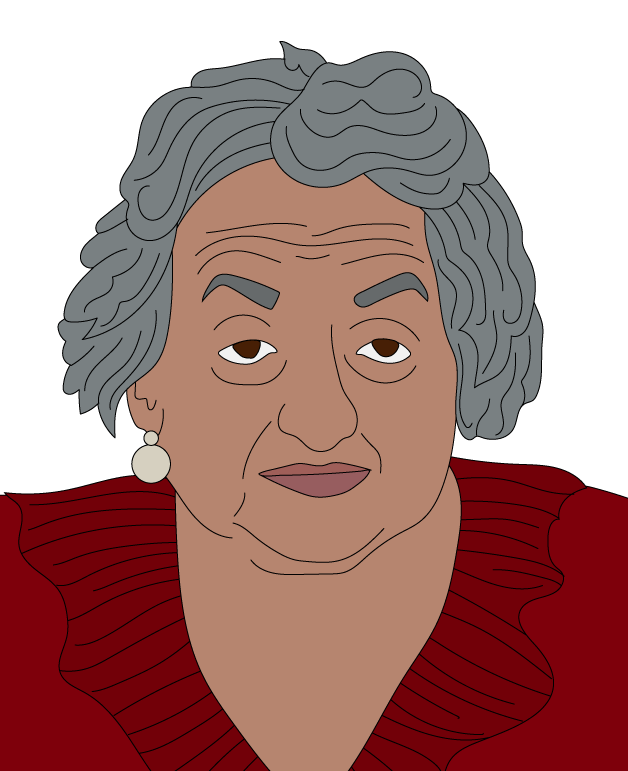
Betty Friedan

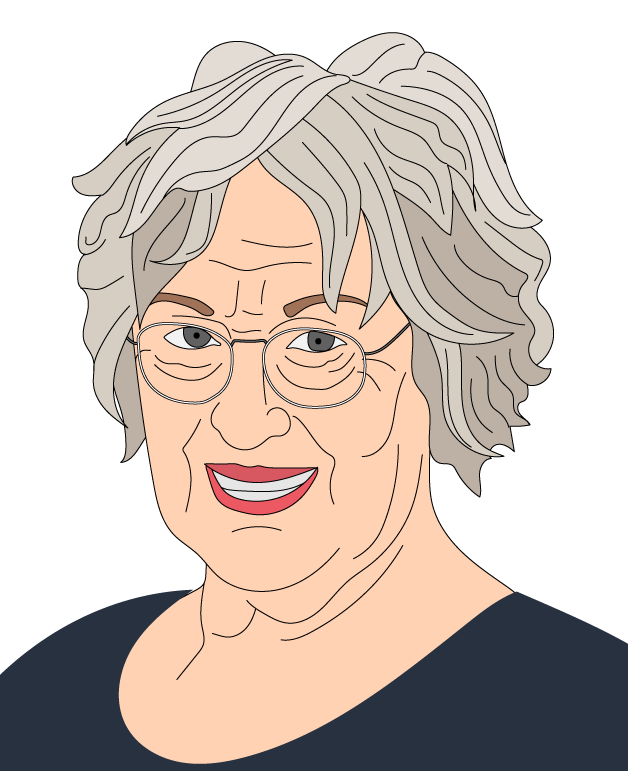
Germaine Greer

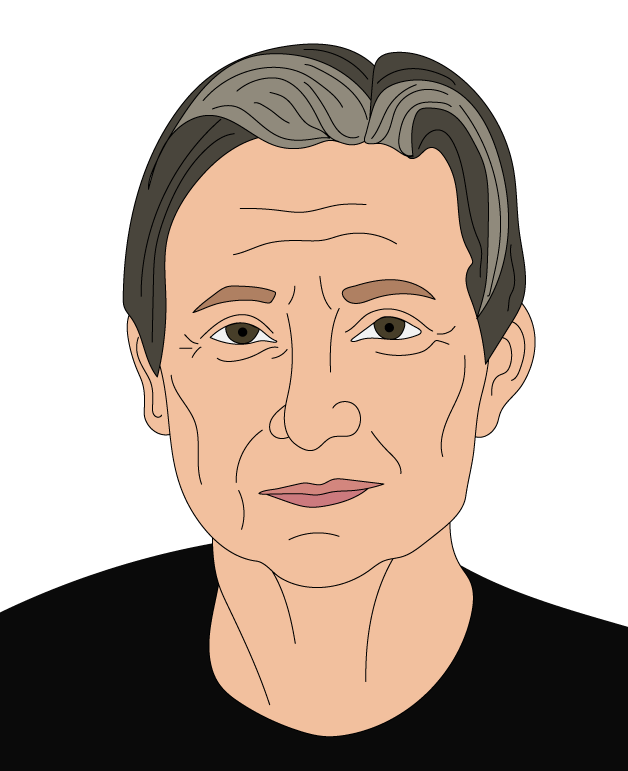
Judith Butler

Older woman with short hair and a relaxed expression, wearing a dark collared blouse and a necklace, facing slightly to the side.
Elderly woman with short, curly grey hair and glasses, wearing a dark top. She has pearl earrings and a neutral expression, looking forward.
Person with short grey hair and a serious expression, wearing a dark shirt. The background is plain white.
  • Argued that women were constrained by traditional expectations that limited them to domestic roles such as housework and childcare

  • Believed women should have equal opportunities in education, employment and politics to achieve independence and participate fully in public life

  • Argued that women’s oppression is rooted in deeply embedded patriarchal cultural norms that shape how women are expected to behave and view themselves

  • Called for women to challenge traditional gender roles and reclaim control over their bodies, sexuality and social identities

  • Argues that gender is not fixed or natural but socially constructed through repeated behaviours and expectations

  • Claim that what societies see as 'male' or 'female' roles are produced by cultural norms, and these norms can be challenged and changed

Post-colonialism

Summary of main claims

  • Post-colonial theorists argue that colonialism is not simply a historical issue - its effects continue to shape global politics today

  • Many modern inequalities and injustices can be traced back to colonial history.

  • States that were formerly colonised often continue to face economic and political disadvantages in the global system

  • Western values, ideas and institutions continue to dominate international politics.

  • Colonial-era attitudes about regions and races still influence global perceptions and power structures

Examples of political issues linked to this theory

  • Political, social and economic instability in many formerly colonised states

  • Continuing forms of racism and racial hierarchy in global politics

  • The dominance of Western powers, for example, through the permanent members of the UN Security Council

Key theorists

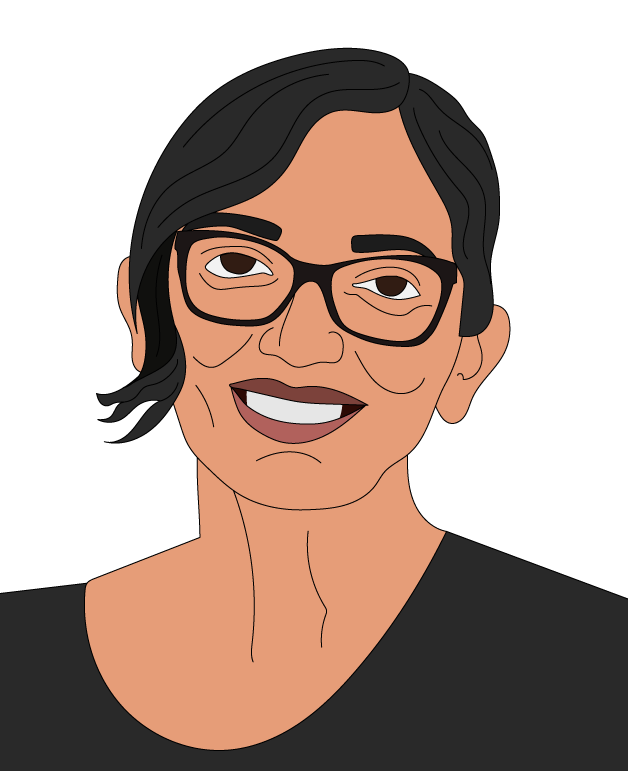
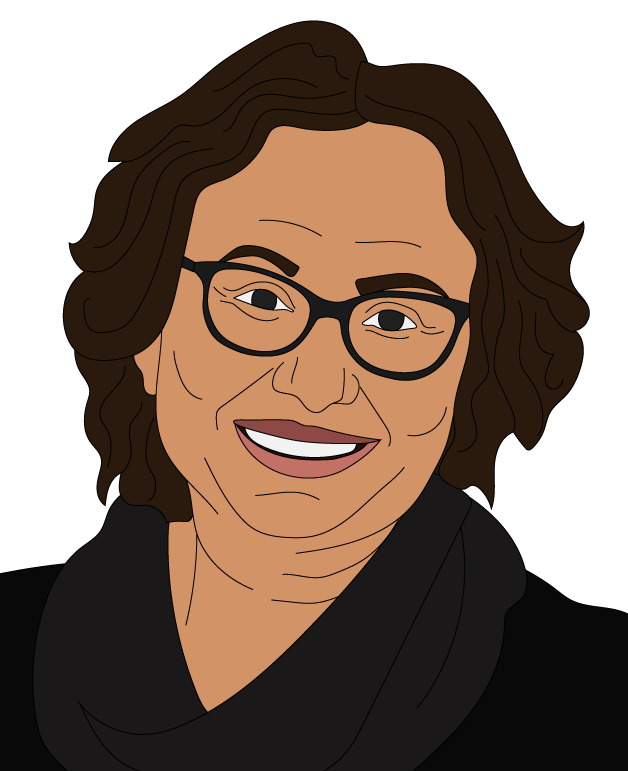
Sheila Nair

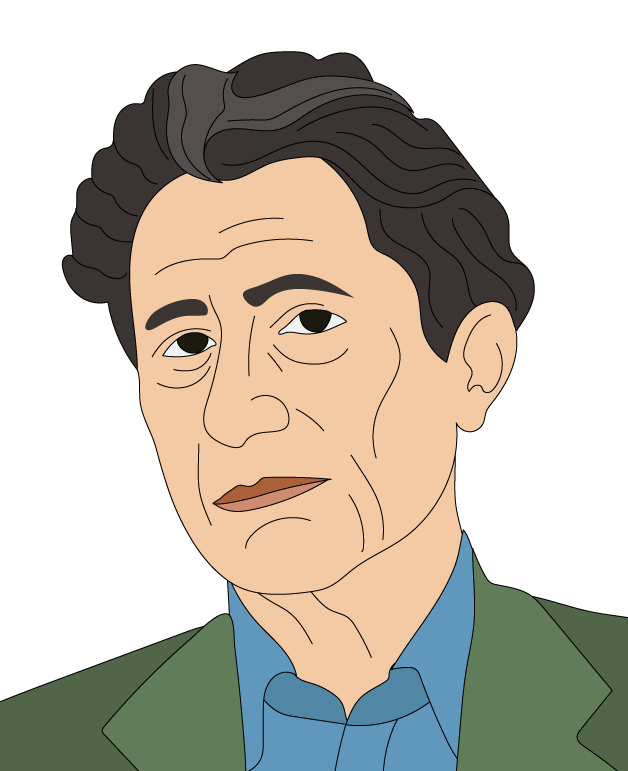
Edward Said

Shampa Biswas

Woman with black hair and glasses smiling, wearing circular earrings and a black top with a necklace, on a plain white background.
A man with grey hair wearing a green checked suit jacket and a light blue shirt, looking at the camera against a white background.
Smiling woman with curly brown hair wearing glasses, a dark jumper, and a necklace against a plain white background.
  • Argues that global politics is still shaped by the legacy of colonialism, which continues to influence economic inequality, political power, and international institutions

  • Emphasises that Western dominance in global governance often marginalises voices from the Global South and reinforces historical patterns of inequality

  • Argued that Western societies have historically portrayed the East through stereotyped and biased ideas, a process he called Orientalism

  • Believed these representations helped justify colonial domination and continue to influence how Western states view and treat non-Western societies today

  • Argues that colonial ideas about race, culture and civilisation continue to shape global politics and international relations

  • Emphasises that many global power structures still privilege Western perspectives while marginalising voices and experiences from formerly colonised societies

Social constructivism

Summary of main claims

  • Social constructivists argue that our understanding of the world is shaped by ideas, beliefs and shared meanings, rather than objective reality alone

  • Many political concepts and identities are socially constructed, meaning they are created and accepted through social interaction

  • The identities of states, genders and races are not fixed but formed through social processes

  • Global norms and shared moral values show how ideas shape international behaviour

Examples of political issues linked to this theory

  • Debates and challenges surrounding state sovereignty

  • Discussions about gender identity, inequality and discrimination

  • The development and change of international power structures and norms

Key theorists

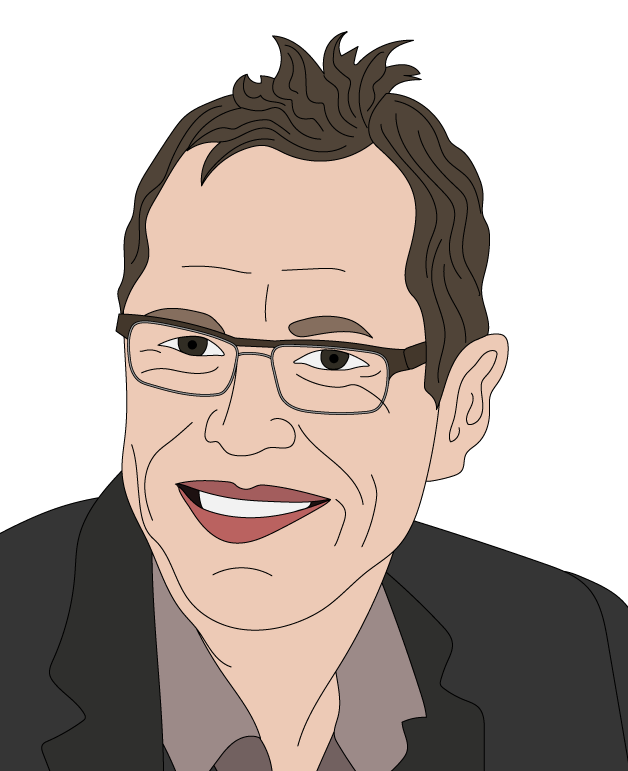
Alexander Wendt

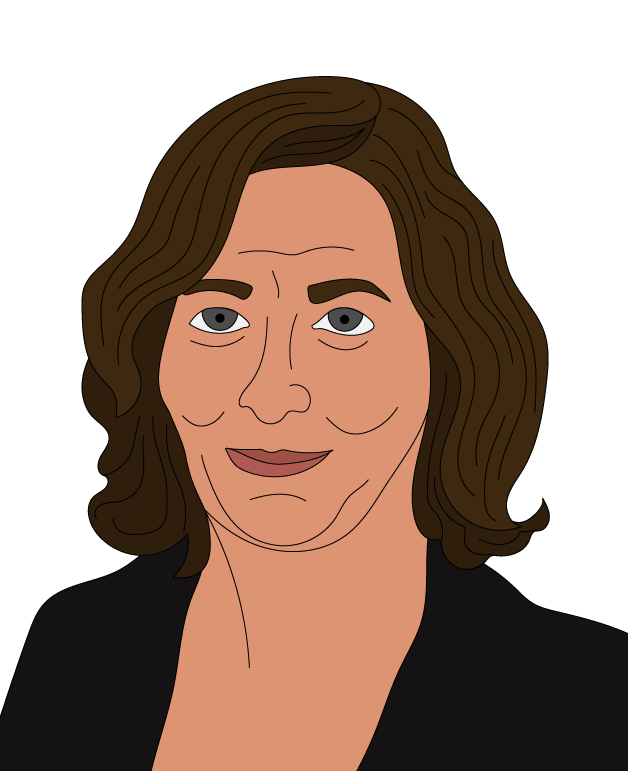
Martha Finnemore

Nicholas Onuf

Smiling man with short, spiky hair and glasses, wearing a grey suit and striped shirt, posed against a white background.
Woman with shoulder-length brown hair, wearing a black jacket, red top, and silver necklace, smiling subtly against a white background.
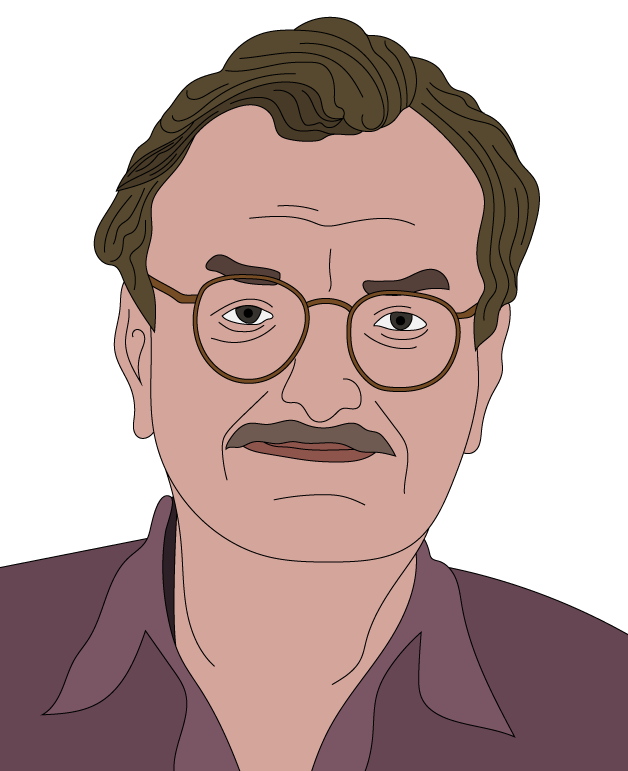
Smiling middle-aged man with glasses and a moustache, wearing a white shirt, against a plain white background.
  • Argues that international politics is shaped by shared ideas and identities rather than only by power

  • Claimed that anarchy is what states make of it” - meaning the behaviour of states depends on how they interpret and construct their relationships with one another

  • Argues that international norms and shared values shape how states behave in global politics

  • Shows how international organisations and global institutions can influence states to adopt new norms, such as those related to human rights or humanitarian intervention

  • Argues that international politics is shaped by the rules, language and shared ideas that states create through their interactions

  • Believes these social rules construct the identities and behaviour of states, meaning global politics is continually shaped by human interpretation and communication

Marxism

Summary of main claims

  • Marxism focuses on economic power structures and how they create inequality between social classes

  • It argues that capitalism concentrates wealth in the hands of a small elite, while workers experience exploitation

  • Economic inequality is seen as a key driver of social and political conflict

  • Marxists also argue that transnational corporations (TNCs) have too much power and often exploit vulnerable workers and developing economies

Examples of political issues linked to this theory

  • Global poverty and inequality

  • Workers’ rights and labour conditions

  • Debates about economic development and global capitalism

Key theorists

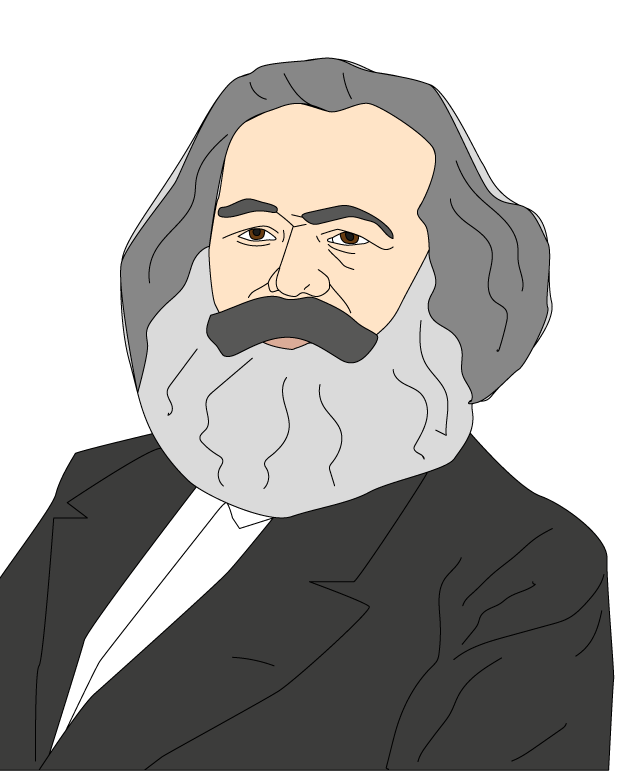
Karl Marx

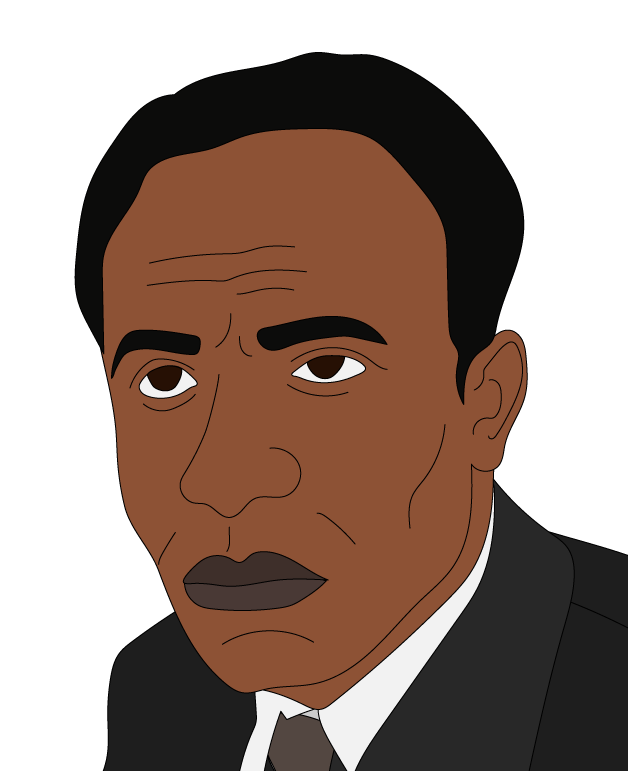
Frantz Fanon

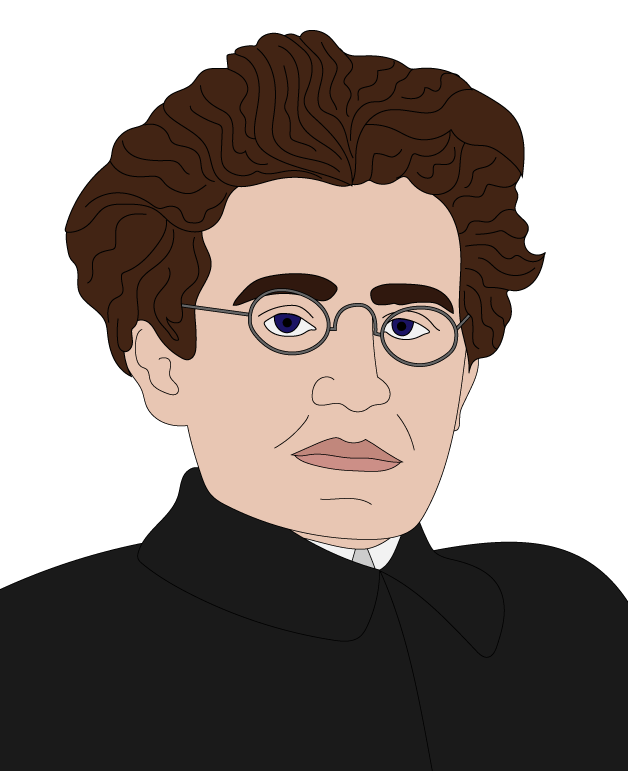
Antonio Gramsci

Elderly man with a large, curly white beard and thick hair, wearing a dark suit, looking directly forward against a plain white background.
Black and white portrait of a man wearing a suit and tie, looking slightly to the left. The image focuses on his face with a neutral expression.
Black and white photograph of a man with glasses, curly hair, and a serious expression, wearing a dark collared jacket against a plain background.
  • Argued that capitalism creates deep class divisions between the wealthy owners of production (the bourgeoisie) and the working class (the proletariat)

  • Believed this exploitation would eventually lead to class conflict and revolutionary change, replacing capitalism with a more equal economic system

  • Argued that colonialism creates deep economic and psychological oppression in colonised societies, damaging both identity and social structures

  • Believed that ending colonial domination often required revolutionary struggle, allowing colonised people to reclaim political power and dignity

  • Argued that the ruling class maintains power not only through economic control but also through cultural hegemony so that inequality appears normal and acceptable

  • Believed social change requires challenging these ideas and building alternative political and cultural movements among workers and civil society

Bias and limitations

  • Theories, models and frameworks all provide a different way of looking at political issues and how power is distributed in global politics

    • None of them is correct or incorrect, but all have biases and limitations

  • Biases and limitations are relevant when examining any political actor because different people have different perspectives and opinions

    • It is important to consider these biases and limitations but also remember that considering multiple perspectives has value

Key biases and limitations

  • Global politics is complicated - one theory cannot explain how it all works

    • There are multiple actors and stakeholders interacting with each other with a multitude of motivations

    • Because of the complexity, theories often simplify things or ignore elements of global politics that don’t fit their worldview

  • Some theories are more like ideologies and are promoting ideas about how to change the world rather than explaining it

  • Traditional political theories, models and frameworks originate from European or Western male scholars and reflect this worldview

Unlock more, it's free!

Join the 100,000+ Students that ❤️ Save My Exams

the (exam) results speak for themselves:

Jane Hirons

Author: Jane Hirons

Expertise: Content Writer

Jane has been actively involved in all levels of educational endeavors including designing curriculum, teaching and assessment. She has extensive experience as an international classroom teacher and understands the challenges students face when it comes to revision.

Lisa Eades

Reviewer: Lisa Eades

Expertise: Business Content Creator

Lisa has taught A Level, GCSE, BTEC and IBDP Business for over 20 years and is a senior Examiner for Edexcel. Lisa has been a successful Head of Department in Kent and has offered private Business tuition to students across the UK. Lisa loves to create imaginative and accessible resources which engage learners and build their passion for the subject.