Realism & Liberalism (DP IB Global Politics: HL): Revision Note

Realism
One way to look consider different perspectives and interpretations is through theories, models and frameworks
Theories explain why and how things happen
Models provide a representation of the theory
Frameworks outline key components and variables of the theory
None of these are more correct or more true than another - they simply offer alternative ways to see the world
What is realism?
Realism claims that it describes the world as it really is rather than how it should be
The main claims of realism are
People are by nature selfish and cruel - and the same applies to states
The only actor worth considering is the state
The state will always put its own interests first
All states desire to be the most powerful state
Global governance is an illusion
Classical realism
Classical realism's origin can be traced to 16th-century Europe
Because states, like humans, are selfish and cruel, conflict and competition are driving forces of global politics
Humans and states all desire to have more power than anyone else, and this often leads to conflict
Structural realism
Structural realism emerged in the late 20th century
Structural realists agree with the foundations of classical realism, but argue that the structure of the international system, rather than human nature, is what forces states to pursue power
They make five main assumptions
States operate in an anarchic system, so global governance is an illusion
All states possess some offensive military capability, so claims the military is for defence only are not true
States can never really know the intentions of other states
The primary goal of all states is survival and that will never change
States are rational actors
Although realism is a bleak political theory, it does recognise that stability and peace are possible
If the balance of power between states is maintained
As states are rational actors, they won’t act in ways that would likely lead to their own destruction
Key structural realist theorists
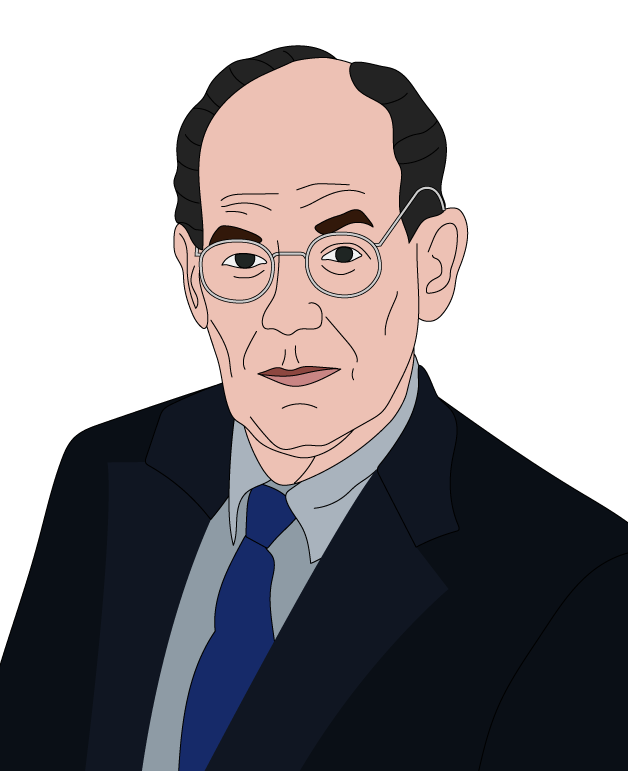
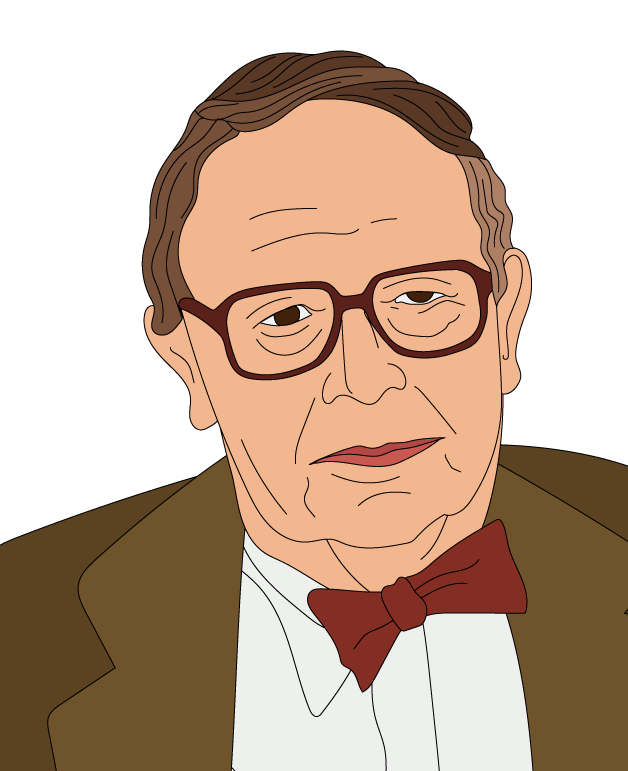
John Mearsheimer | Kenneth Waltz |
|---|---|
 |  |
|
|
Liberalism
Liberalism is the dominant political theory in contemporary politics
It attempts to explain what is needed to maintain or develop peace and security
The main claims are
Human beings want to live peaceful and fulfilling lives and are not seeking conflict
Governments should work to improve the lives of their citizens to secure peace
Democracies, though not perfect, are the fairest and most stable form of government
States are important actors in global politics, along with many other actors who are involved in political issues with varying degrees of power
The international system works best with cooperation
Classical liberalism
This theory emerged in 17th-century Europe and emphasised the goodness of human nature and the moral obligations of people and states
The following would best ensure peace:
Democracy
Free markets and free trade
International institutions promoting cooperation
Neoliberalism
Neoliberalism emerged in the latter half of the 20th century
Neoliberals agree with classical realists but acknowledge that states can act selfishly
They therefore cannot be trusted to work collaboratively for the betterment of all and:
Institutions must be in place to facilitate and monitor cooperation (e.g. IGOs)
There must be international mechanisms of enforcement (e.g. international courts, sanctions)
Economic interdependence will lead to benefits which will encourage states to cooperate further
Governments should minimally interfere with economic matters and leave the running of essential services to experts
Private sector actors, including companies, should not be heavily restricted
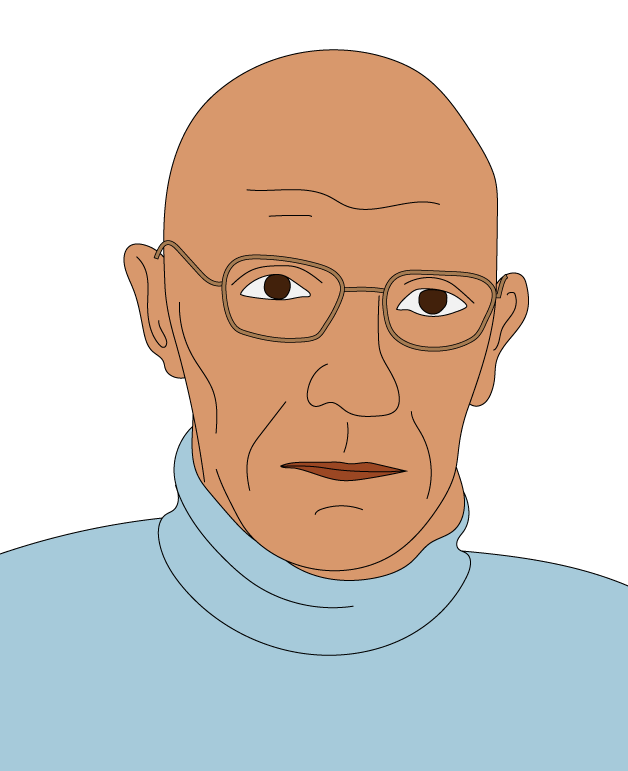
Key liberal theorists
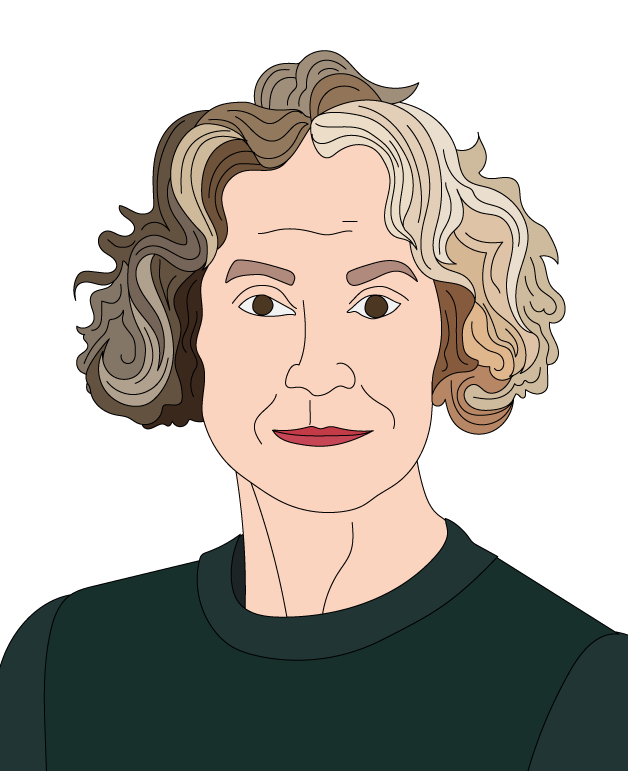
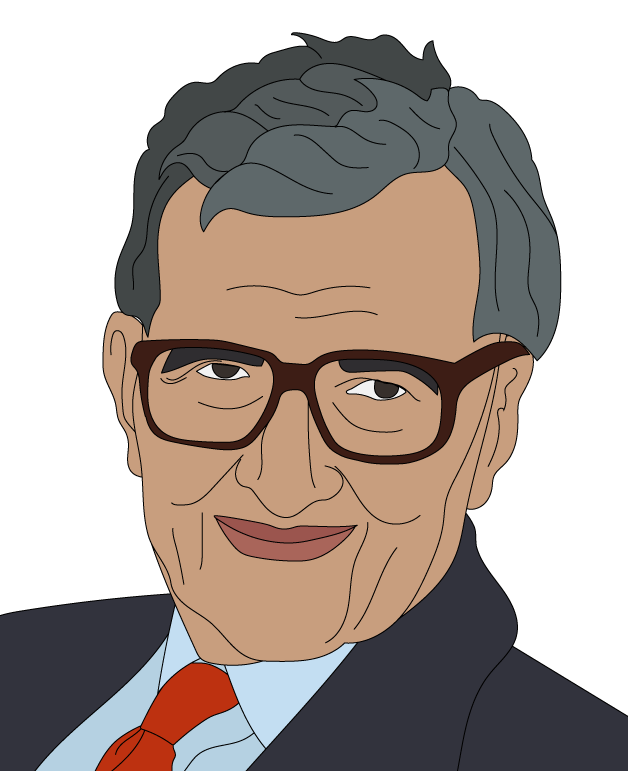
Martha Nussbaum | Amartya Sen | Michel Foucault |
|---|---|---|
 |  |  |
|
|
|

Unlock more, it's free!
Join the 100,000+ Students that ❤️ Save My Exams
the (exam) results speak for themselves:

Was this revision note helpful?
