Arguments Against Universalism (DP IB Global Politics: HL): Revision Note

Cultural considerations
Some people say that different cultures may have different interpretations of human rights
Cultural relativism supports this view
These differences must be considered, so universalism doesn’t always apply
Some argue that although human rights are important, the way they can be interpreted or defined can be influenced by
Religious beliefs
Cultural practices and norms
Example: Article 16 of the UDHR
Men and women of full age, without any limitation due to race, nationality or religion, have the right to marry and to found a family. They are entitled to equal rights as to marriage, during marriage and at its dissolution
Marriage shall be entered into only with the free and full consent of the intending spouses
The family is the natural and fundamental group unit of society and is entitled to protection by society and the State
https://www.un.org/en/about-us/universal-declaration-of-human-rights (opens in a new tab)
Article 16 has been interpreted differently in different societies
In some societies cultural traditions consider that marriage can solely take place between a man and a woman
They argue this article supports that view
European countries such as Bulgaria, Serbia and Slovakia do not recognise any same-sex unions
In other societies traditional views about marriage have been rejected, particularly in recent years
They argue this article does not say that marriage must solely be between a man and a woman
By January 2025, 22 European countries legally recognised and perform same-sex marriages
Universalism is questioned because some of the articles are open to interpretation by such cultural considerations
Situational considerations
Some argue that different situations mean that some human rights cannot be applied
If situations must be considered, universalism doesn’t always apply
Some situations which actors argue might prohibit the protection and enforcement of human rights include
If a state is at war, the government may have to limit Article 19 (freedom of expression)
Some may argue that people who commit horrific crimes should be executed and thereby deprived of Article 3 (right to life)
In the case of a terrorist attack, some governments may argue that Article 9 (arbitrary arrest and detention) must be suspended so they can prevent further violence
Universalism is questioned because some of the articles must be suspended in certain situations
Case Study
Guantanamo Bay detention facility, USA
Following the September 11 attacks in 2001, the US government declared a War on Terror.
Hundreds of suspects were detained at Guantanamo Bay, a US military facility in Cuba, without charge or trial.
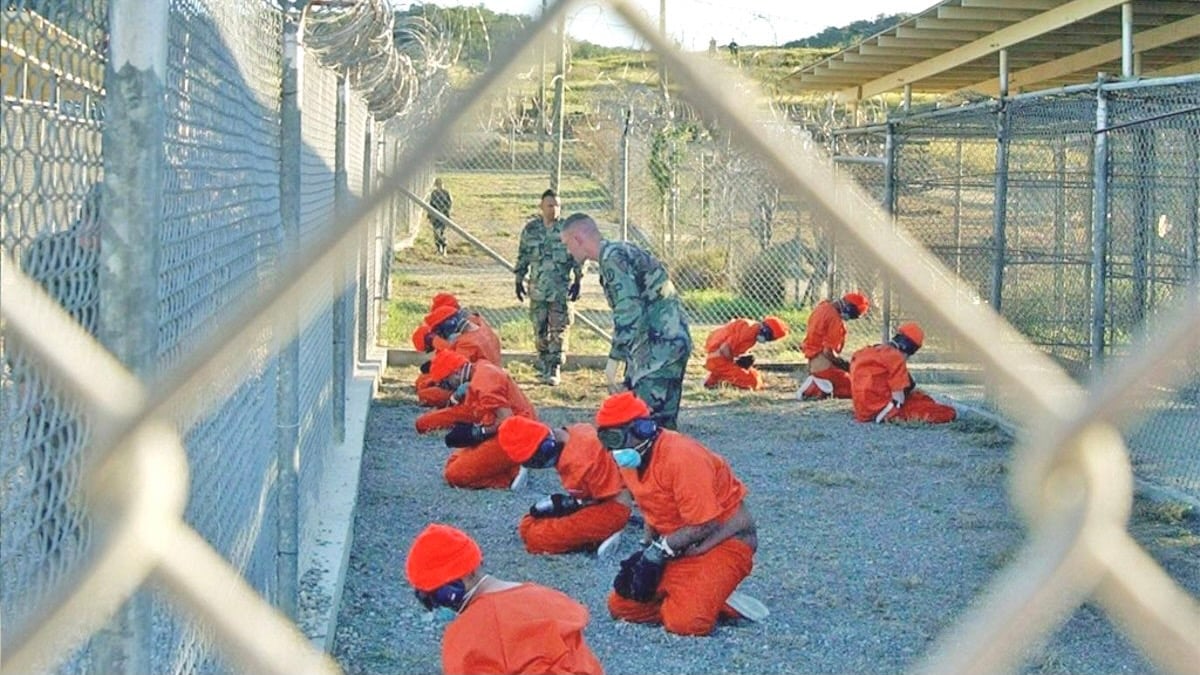
Justification and human rights concerns
The US government argued that the exceptional security situation justified suspending normal legal protections
However, detainees were denied rights under Article 9 of the UDHR (freedom from arbitrary detention) and Article 10 (the right to a fair trial), leading to condemnation from organisations such as Amnesty International
Significance
This case shows how governments may claim that security concerns justify limiting rights, challenging the universalist view that human rights should always be protected
The group can take priority over the individual
Some people argue that the needs of society should come before the needs of individuals
This is linked to the arguments criticising the UDHR as Western-biased, as it promotes individualism
If groups can take priority, universalism doesn’t always apply
There are several discussions about whether the rights of groups should be prioritised
The rights of groups, referred to as collective rights, can be seen articles 27-30 of the UDHR, but the rights in the UDHR are all seen as equally important
Some make cultural arguments
For example some East Asian states argue that their cultures prioritise the rights and stability of the community over the rights of individuals
Some argue that the rights of groups that are marginalised and disadvantaged should be prioritised over the rights of others
The UDHR is focused on the rights of individuals rather than groups
Article 29 acknowledges that individuals have duties to their community, but this is not the same as granting rights to groups as a whole
Genuine collective rights, such as the right of peoples to self-determination, were not included in the UDHR and only appeared later in the 1966 international covenants

Unlock more, it's free!
Join the 100,000+ Students that ❤️ Save My Exams
the (exam) results speak for themselves:

Was this revision note helpful?
